
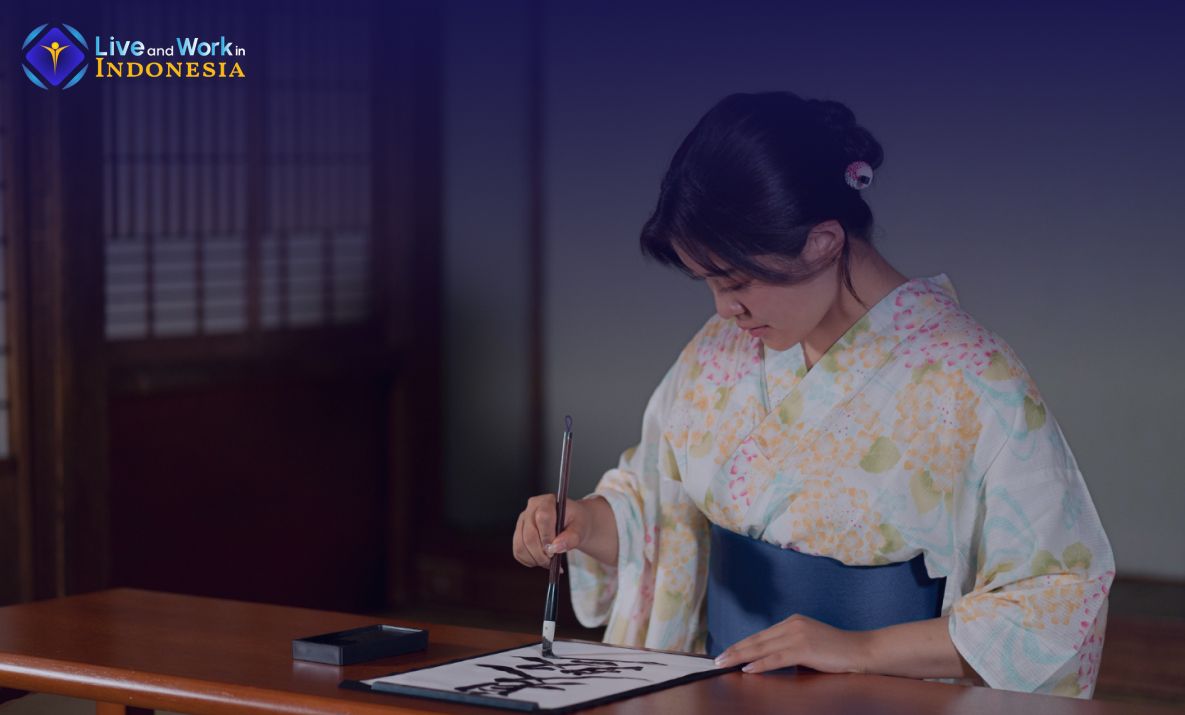
Japan’s labor shortage has become severe enough that the government is actively recruiting foreign workers by the hundreds of thousands and Indonesia is one of the countries it’s recruiting from most aggressively. If you’re an Indonesian jobseeker considering a move to Japan, or a business trying to understand what it takes to sponsor Japanese work authorization, this guide breaks down exactly how working in Japan actually works in 2026: the visa pathways, the requirements, the paperwork most applicants get wrong, and how to get the whole process handled correctly from the start.
Why Japan Is Actively Recruiting Foreign Workers Right Now
Japan’s working-age population has been shrinking for over two decades, and by 2026 the labor shortage has become severe enough that the government has steadily expanded its foreign worker visa framework year after year. This isn’t a temporary or reluctant policy shift Japan is targeting the acceptance of more than 800,000 foreign workers across various sectors by the end of this decade, with construction, caregiving, food service, manufacturing, and agriculture among the industries facing the most acute domestic shortfalls.
For Indonesian jobseekers specifically, this represents a genuine window of opportunity — but also growing competition. Interest in working in Japan among Indonesian vocational and high school graduates has climbed significantly over the past decade, and competition from workers in the Philippines, Vietnam, and Myanmar is intensifying at the same time. Without proper preparation, opportunities that exist today can be claimed by better-prepared candidates from competing countries before an unprepared applicant even finishes gathering documents.
The Two Main Pathways: SSW vs. Engineer/Specialist Visas
Most Indonesians pursuing work in Japan fall into one of two broad visa categories, and choosing the right one from the start matters considerably.
Specified Skilled Worker (SSW / Tokutei Ginou)
The Specified Skilled Worker visa, known in Japanese as Tokutei Ginō (特定技能), was introduced in April 2019 specifically to address labor shortages in designated sectors. Unlike many other Japanese work visas, a university degree is not required applicants instead demonstrate industry-specific skills and Japanese language ability through standardized testing. This makes SSW the realistic, accessible target for the majority of Indonesian applicants, particularly vocational and high school graduates who make up the bulk of Indonesia’s outbound labor migration to Japan.
Engineer/Specialist in Humanities/International Services Visa
For university-educated professionals, Japan’s Engineer/Specialist in Humanities visa generally requires a bachelor’s degree and targets white-collar, technical, and specialist roles rather than the manual and service-sector positions SSW covers. If you hold a relevant degree and are targeting office-based, engineering, or specialist work in Japan, this pathway rather than SSW is typically the more appropriate route, and carries its own distinct documentation and sponsorship requirements.
This guide focuses primarily on SSW, given it’s the pathway the overwhelming majority of Indonesian applicants pursue, but the visa preparation principles apply broadly across both categories.
SSW Type 1 vs. Type 2: What’s the Actual Difference
The SSW visa system splits into two distinct tiers, and understanding the difference shapes your entire long-term career planning in Japan.
SSW Type 1 covers designated sectors and allows a maximum stay of up to 5 years, generally without the right to bring family members along during that period. As of 2026, SSW Type 1 has expanded to cover a broader range of sectors than when the program launched reflecting continued government expansion aimed at addressing workforce shortages in transportation, infrastructure, and primary industries, with sectors like railways, forestry, and automobile transportation added in response to Japan’s aging regional workforce.
SSW Type 2 is available in most of the same sectors after demonstrating higher-level skill, and offers meaningfully greater long-term stability: no cap on visa renewals, meaning effectively indefinite residency as long as employment in the sector continues, and critically for workers planning a longer-term life in Japan the right to bring family members and a direct pathway toward permanent residency after meeting general PR criteria.
For Indonesian workers thinking beyond a short-term contract, understanding this Type 1 to Type 2 progression early shapes which sector and employer choices make sense from the very start of the application process.
Which Sectors Are Actually Open Right Now
SSW currently spans designated sectors including nursing care, building cleaning management, machine parts and tooling, industrial machinery, electronics, construction, shipbuilding, automobile maintenance, aviation, accommodation, agriculture, fishery, food and beverage manufacturing, and food service, among others a considerably broader list than when the program first launched in 2019.
One important, time-sensitive detail: as of April 13, 2026, new Type 1 applications for the restaurant sector have been suspended, with the sector’s cap of 50,000 workers for the current five-year allocation period expected to be reached by May 2026. This kind of sector-specific cap and suspension is exactly why checking current status through Japan’s Immigration Services Agency, or with a knowledgeable visa consultant, matters before committing time and money toward a specific sector’s testing requirements.
What Indonesian Applicants Actually Need
Basic SSW eligibility starts straightforward: you must be at least 18 years old, in good physical and mental health, and prepared to pass both a language proficiency test and a sector-specific skills test.
Language Requirements
Most sectors require passing either the Japanese Foundation Skills Test (JFT-Basic) or JLPT N4 a basic conversational level rather than fluency. The caregiving sector specifically requires an additional industry-specific Japanese test, reflecting the genuinely higher communication demands of that particular role. For most SMK/SMA (vocational and senior high school) graduates from Indonesia targeting SSW Type 1, this language bar is realistically achievable with focused preparation rather than years of study a key reason SSW has become the primary pathway for Indonesian workers without a university degree.
Skills Testing
Beyond language, applicants must pass a skills exam specific to their target sector food processing, construction, caregiving, and other designated fields each maintain their own testing framework, administered either in Indonesia or occasionally in Japan depending on the sector and current testing schedule.
Indonesia-Specific Documentation
This is where a genuine number of otherwise-qualified applicants get stuck. Indonesian applicants specifically need IPKOL registration and an E-KTKLN certificate as part of their documentation package government-issued clearances confirming legitimate, protected migrant worker status through Indonesia’s own labor placement system. These documents can take real time to obtain, and applicants who start the visa process without first confirming their IPKOL and E-KTKLN status often find this becomes their single biggest bottleneck, well after they’ve already passed their language and skills testing.
How the Job-Finding Process Actually Works
Once you’ve cleared your qualifications, finding an employer in Japan is the next step and this is an area where Indonesian applicants are frequently taken advantage of by unlicensed intermediaries. Licensed recruitment agencies connect qualified workers with employers actively seeking SSW staff, and legitimate recruitment for workers should be free a detail worth internalizing clearly, since one of the most common patterns in cases where workers “give up or get taken advantage of” involves upfront fees charged by agencies that aren’t actually licensed or legitimate intermediaries in the placement process.
Processing Time, Costs, and What to Expect
Once your documentation and job placement are in order, SSW visa application processing typically runs 30 to 90 days, with a government application fee of roughly JPY 3,000 a genuinely modest official cost, which is precisely why unlicensed agencies charging large upfront “processing fees” should raise immediate red flags. SSW Type 1 allows up to one extension within its 5-year maximum stay, while Type 2, once qualified for, effectively removes the renewal cap entirely for as long as employment in the designated sector continues.
Common Mistakes That Derail Indonesian Applicants
A few recurring issues show up across Indonesian SSW applications every cycle, and each one costs applicants real time and money to fix. Choosing a sector without checking current caps and suspension status as happened with the restaurant sector’s 2026 closure wastes preparation effort on a pathway that’s no longer accepting new applicants. Starting language and skills test preparation before confirming IPKOL and E-KTKLN documentation status creates a bottleneck at exactly the point applicants expect to be closest to finished. And working with unlicensed “agents” who charge substantial upfront fees, when legitimate recruitment for workers should be free, remains one of the most damaging and preventable mistakes in the entire process.
Why Professional Guidance Matters for This Process
Between sector-specific caps that shift throughout the year, Indonesia-specific documentation requirements most general guides don’t cover in detail, and a genuinely competitive landscape against applicants from the Philippines, Vietnam, and Myanmar, navigating the SSW process without experienced guidance puts Indonesian applicants at a real disadvantage. The 2026 window that Japan’s government is actively opening won’t stay this accessible indefinitely sector caps fill, competition intensifies, and workers who prepare correctly from the start consistently outperform those who discover procedural gaps only after they’ve already invested significant time and money.
For the most current SSW sector eligibility, caps, and application procedures, applicants should verify details directly through Japan’s Immigration Services Agency official portal, which remains the authoritative source for visa category requirements and sector-specific updates.
Frequently Asked Questions
- Do I need a university degree to work in Japan through the SSW visa? No. The Specified Skilled Worker visa is specifically designed for skilled manual and service-sector work and does not require a university degree, unlike the Engineer/Specialist in Humanities visa pathway.
- What Japanese language level do I need for the SSW visa? Most sectors require passing either the JFT-Basic test or JLPT N4, a basic conversational level rather than fluency, though the caregiving sector requires an additional industry-specific language test.
- What documents do Indonesian applicants specifically need for the SSW visa? Beyond the standard language and skills test results, Indonesian applicants need IPKOL registration and an E-KTKLN certificate, which can take significant time to obtain and should be started early.
- Should I pay an agency upfront to find me a job in Japan? No. Legitimate recruitment for SSW workers should be free. Large upfront fees from an agency are a significant red flag suggesting the intermediary may not be properly licensed.
- What’s the difference between SSW Type 1 and Type 2? Type 1 allows a maximum 5-year stay generally without family accompaniment, while Type 2, available after demonstrating higher-level skill, has no renewal cap and allows family members alongside a pathway toward permanent residency.
Get Your Japan Work Visa Handled Correctly From Live and Work Indonesia
Between IPKOL and E-KTKLN documentation, sector-specific testing requirements, and a job-placement process where unlicensed intermediaries routinely take advantage of eager applicants, working in Japan deserves guidance you can actually trust from day one. Live and Work Indonesia’s Japan Visa service supports Indonesian applicants through the entire process from documentation and eligibility confirmation to visa application coordination so your pathway to working in Japan is built on solid, compliant ground rather than shortcuts that create problems later. Contact Live and Work Indonesia today for a free consultation and start your Japan work visa application the right way.













