
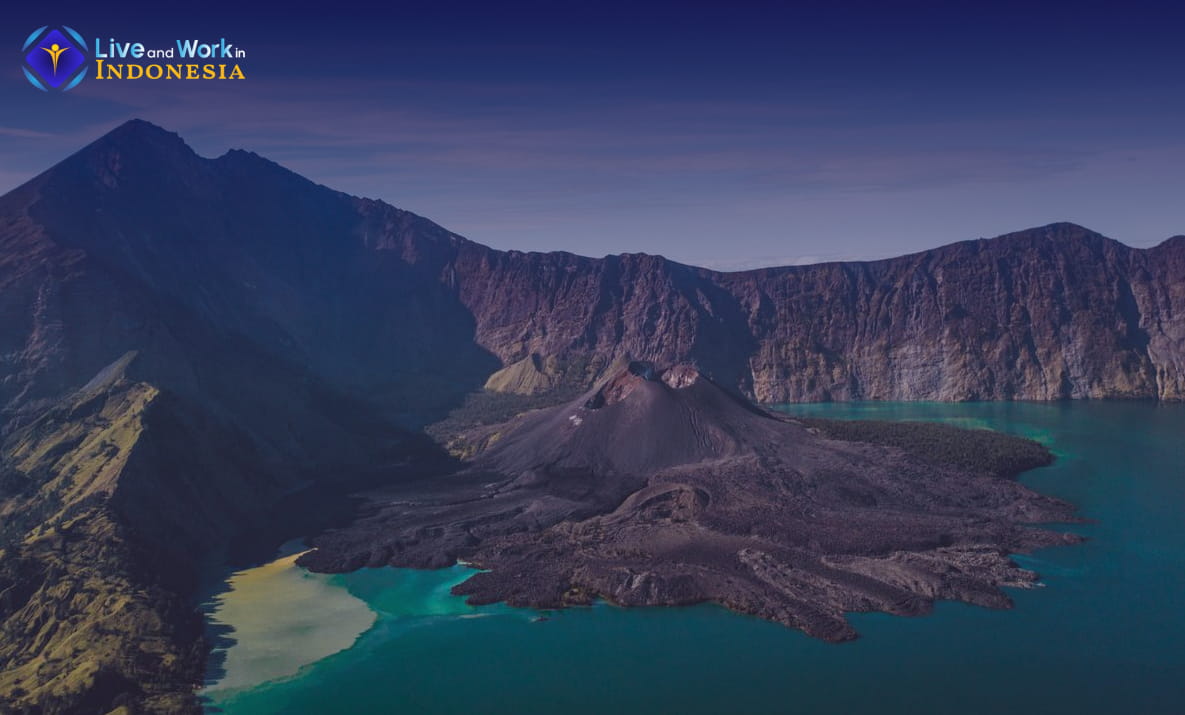
Everyone talks about Bali. Almost no one talks about the island sitting just one hour away by fast boat until they actually go. Lombok has quietly built a reputation among seasoned travelers as the version of Indonesia that still feels real: fewer crowds, cleaner beaches, a volcano that dwarfs anything on Bali, and a culture that hasn’t been reshaped entirely around tourism. If you’re planning to travel to Lombok in 2026, this guide covers everything you need when to go, how to get there, what to see, what it costs, and the practical details that keep a trip stress-free.
Why Lombok Deserves a Spot on Your Itinerary
Lombok sits in West Nusa Tenggara province, roughly the same size as Bali but home to a fraction of its population — around 3.4 million people, the vast majority belonging to the indigenous Sasak ethnic group. That difference in scale shows up everywhere: in the traffic, in the beaches, in how far your money goes.
Travelers consistently note that Lombok’s beaches often outshine Bali’s think Tanjung Aan and Selong Belanak, with softer sand and clearer water and noticeably fewer people fighting for the same stretch of shoreline. Add in Mount Rinjani, Indonesia’s second-highest volcano and one of Southeast Asia’s most rewarding treks, plus vibrant Sasak traditions in weaving, dance, and architecture that remain genuinely alive in village life, and it’s easy to see why Lombok has become the island travelers recommend once they’ve already done Bali.
When to Travel to Lombok
Timing matters more in Lombok than in most tropical destinations, mainly because of Mount Rinjani. The national park closes annually during the wet season and reopens every April, which effectively marks the start of a new trekking season each year. If summiting Rinjani is on your list, plan your trip between April and November the same window that offers the driest, clearest conditions for diving, snorkeling, and island-hopping around the Gilis.
Outside of trekking, Lombok is a year-round destination. The shoulder months (April–June and September–November) tend to offer the best balance of good weather and lighter crowds, particularly around Kuta Lombok and the Gili Islands.
Getting There: Flights, Boats, and Everything Between
The most convenient option is flying directly into Lombok International Airport (LOP) in Central Lombok, served by Garuda Indonesia, Batik Air, Lion Air, Citilink, and Super Air Jet, with connections from Jakarta, Surabaya, and increasingly from Bali itself. For travelers already in Bali, fast boats connecting Padang Bai or Sanur to the Gili Islands or Lombok’s mainland ports typically take between 1.5 and 4 hours, depending on the route and operator, making a Bali–Lombok combination trip easy to plan.
Budget travelers can also reach Lombok via slower public ferries from Bali, Java, or neighboring Sumbawa, though these routes take considerably longer and are best suited to those with flexible schedules.
Visa Requirements for Lombok in 2026
Most nationalities can enter Indonesia including Lombok on a Visa on Arrival (VOA), priced at IDR 500,000 (around $31), valid for 30 days and extendable once for an additional 30 days, giving a maximum stay of 60 days. VOA counters are available directly at Lombok International Airport, and travelers can pay in cash (IDR or USD) or by card.
ASEAN nationals typically enter visa-free for stays under 30 days. For longer stays, the B211A visa offers an initial 60 days, extendable up to 180 days total, and is best arranged through a licensed agent before arrival to avoid delays. Extensions for the standard VOA are processed at the Mataram immigration office and generally take 5 to 7 working days — starting the process at least a week before your visa expires is strongly recommended to avoid overstay penalties, which run around IDR 1,000,000 per day. For the most current entry requirements, always cross-check details on Indonesia’s official immigration portal at imigrasi.go.id before booking your trip.
Where to Stay: Lombok’s Five Main Regions
Choosing where to base yourself depends entirely on what kind of trip you’re planning.
North Lombok (Senaru and the Gili Islands)
Senaru is the primary gateway for Mount Rinjani treks, cooler and greener than the coast, home to the Sendang Gile and Tiu Kelep waterfalls. Just offshore sit the three legendary Gili Islands Gili Trawangan (lively, nightlife-driven), Gili Air (a relaxed middle ground popular with divers), and Gili Meno (quiet, ideal for couples). None of the Gilis allow motorized vehicles; getting around is strictly by bicycle, on foot, or by traditional horse cart, which is part of their charm.
West Lombok (Senggigi and Mataram)
Senggigi remains Lombok’s original resort strip, with beachfront hotels, sunset bars, and easy day-trip access to the Gilis or Rinjani. Mataram, the provincial capital, offers a glimpse of everyday Lombok life through its markets and the Pura Meru Temple, the largest Hindu temple on the island.
Central Lombok (Kuta and Tetebatu)
Kuta Lombok has become the island’s fastest-growing hub, known for world-class surf breaks at Selong Belanak, Gerupuk, and the legendary Desert Point. Nearby, Tetebatu often called “the Ubud of Lombok” trades beaches for rice terraces, waterfalls, and quiet village homestays.
Southwest Lombok (Secret Gilis)
Lesser-known islands like Gili Nanggu, Gili Sudak, and Gili Kedis offer an untouched alternative to the crowded northern Gilis, with excellent snorkeling and a genuine “island to yourself” feeling.
East Lombok
The island’s least developed region, home to Pink Beach (Tangsi Beach) — one of only a handful of naturally pink-sand beaches in the world — and the eastern Gili cluster including Gili Lampu and Gili Sulat.
Top Things to Do in Lombok
- Trek Mount Rinjani — A multi-day climb to 3,726 meters, rewarded with views over Lombok, Bali’s Mount Agung, and the turquoise Segara Anak crater lake. Entry permits to Rinjani National Park are required and are usually bundled into guided trek packages.
- Island-hop the Gilis — Snorkeling, diving, and beach-hopping across Trawangan, Air, and Meno, or venture to the quieter Secret Gilis in the southwest.
- Ride the Lombok Loop — A multi-day guided motorbike route often compared to Vietnam’s famous Ha Giang Loop, covering the island’s most dramatic landscapes.
- Visit Sade Village — An authentic Sasak settlement with traditional bamboo houses and thatched roofs, where visitors can watch songket weaving and learn about local marriage customs.
- Surf Central and South Lombok — Beginner-friendly breaks at Selong Belanak sit alongside advanced waves like Desert Point, making the region viable for surfers of every level.
Practical Tips for a Smooth Trip
Bring cash in small denominations, especially for remote areas like Sembalun and Senaru, where ATMs are limited. If trekking Rinjani, pack warm layers overnight temperatures near the summit can drop below 10°C along with a headlamp and proper hiking boots. Outside beach areas, dress modestly and use your right hand for giving or receiving items, both simple gestures that go a long way in Sasak communities.
Frequently Asked Questions
- What is the best time of year to travel to Lombok? April through November offers the driest conditions and coincides with Mount Rinjani National Park’s open season, making it ideal for both trekking and island-hopping around the Gilis.
- Do I need a visa to travel to Lombok? Most nationalities can enter on a Visa on Arrival costing around $31 for 30 days, extendable once for another 30 days. ASEAN nationals typically get visa-free entry for stays under 30 days.
- How do I get from Bali to Lombok? Fast boats from Padang Bai or Sanur to the Gili Islands or Lombok’s mainland ports take roughly 1.5 to 4 hours, or you can fly directly into Lombok International Airport.
- Is Mount Rinjani open year-round? No. Rinjani National Park closes during the wet season and reopens every April, marking the official start of the annual trekking season.
- Which Gili Island should I visit if I want a quiet trip? Gili Meno is the quietest and most romantic of the three main Gilis, while Gili Air offers a balanced mix of relaxation and diving activity. Travelers seeking nightlife typically choose Gili Trawangan.
Ready to Plan Your Lombok Trip?
Lombok rewards travelers who plan ahead the right season for Rinjani, the right visa for your length of stay, and the right region for the kind of trip you’re after. Whether you’re chasing a sunrise from Rinjani’s summit, a quiet Gili sunset, or the perfect wave at Desert Point, Live and Work Indonesia can help you navigate the practical side of your Indonesian journey from visa guidance to local logistics so you can focus on the island itself. Get in touch with Live and Work Indonesia today to start planning your trip to Lombok.













