
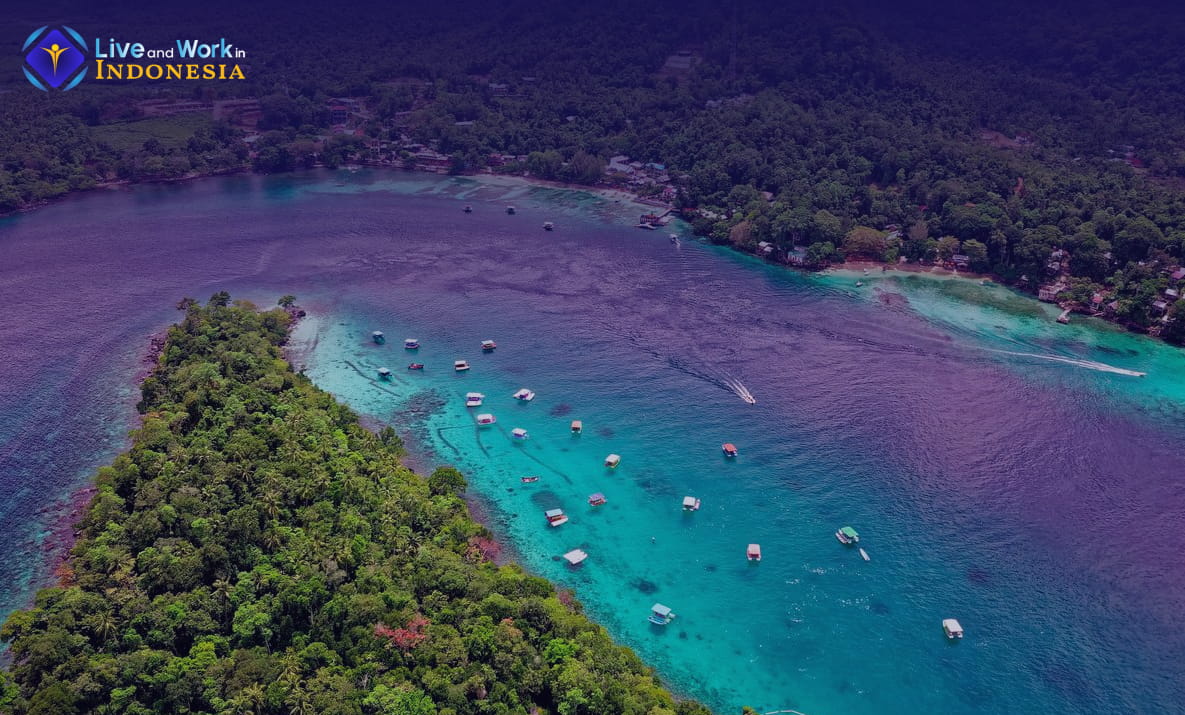
Indonesia does not reveal itself in a single visit. With over 17,000 islands, six UNESCO World Heritage Sites, more than 300 distinct ethnic groups, and a natural landscape that ranges from the volcanic highlands of Java to the coral-fringed islands of Raja Ampat, the archipelago rewards every traveler differently depending on when they come, where they go, and how deeply they engage with what they find.
The challenge for first-time visitors is not a lack of things to do. It is the overwhelming abundance of choice. This guide cuts through that complexity with everything you need to plan tours and travel in Indonesia in 2026, from choosing the right islands and timing your trip around the season, to understanding which experiences are genuinely unmissable and which practical details make the difference between a smooth journey and a frustrating one.
Why Indonesia Continues to Rank Among the World’s Top Travel Destinations
A Country That Defies Single Description
Few countries anywhere offer the sheer breadth of experience that Indonesia delivers within a single trip. In the span of two weeks, a traveler can watch sunrise over Borobudur, one of the largest Buddhist monuments on earth, snorkel alongside manta rays in Komodo National Park, hike the active volcanic crater of Mount Batur before dawn, and spend a final evening watching the Kecak fire dance at Uluwatu Temple as the sun drops into the Indian Ocean. Each of these experiences sits within a country that spans a distance roughly equivalent to driving from London to Tehran.
According to G Adventures’ Indonesia 2026 travel guide, the best time to visit Indonesia is during the dry season from May to September, when consistently sunny weather and lower humidity make outdoor activities from hiking and beach days to cultural temple visits genuinely comfortable. Average temperatures throughout the year range from 25 to 30 degrees Celsius, but altitude changes this dramatically, with the highlands of Ubud and the volcanic peaks of Java significantly cooler than the coast.
Indonesia’s tourism infrastructure has improved substantially in recent years. International airports now serve destinations beyond the traditional Jakarta-Bali corridor, with direct routes increasingly available to Labuan Bajo, Manado, Makassar, and Yogyakarta from major regional hubs. This expansion has made previously difficult-to-reach destinations accessible as standalone trip components rather than requiring extended multi-leg journeys.
The Must-Experience Destinations for Tours and Travel in Indonesia
Bali: Still Indonesia’s Most Iconic Island
Bali earns its reputation. Despite the crowds at its most famous sites, the island’s combination of extraordinary Hindu temple culture, lush rice terrace landscapes, world-class surf, and a creative arts scene centered in Ubud creates an experience that consistently exceeds expectations for first-time visitors.
For travelers planning tours and travel in Indonesia with Bali as the anchor, the key is building beyond the standard southern coastal circuit. Seminyak and Kuta deliver beach life and nightlife, but the island’s cultural depth lies inland. The sacred spring at Tirta Empul temple north of Ubud, where Balinese worshippers perform ritual purification bathing, is one of the most genuinely moving cultural experiences in Southeast Asia. The rice terraces at Tegalalang are beautiful from the road, but cycling through Jatiluwih’s wider UNESCO-listed rice terrace landscape, known locally as “really, really beautiful,” offers a quieter and more immersive alternative.
Mount Batur’s sunrise hike is a rite of passage for Indonesia travelers. The two-hour pre-dawn climb to the 1,717-meter active crater rim, guided through the dark with headlamps and arriving at the summit as the sky transforms above the caldera lake, produces views and memories that last a lifetime. Breakfast cooked on volcanic steam vents at the crater edge completes what is arguably the most memorable single experience available in Bali.
Java: History, Volcanoes, and Cultural Depth
Java holds three of Indonesia’s most profound travel experiences within a reasonable distance of each other. Borobudur, a 9th-century Buddhist temple complex containing 2,672 relief panels and 504 Buddha statues across nine stacked platforms, is best experienced at sunrise when the stone bells glow in early morning light and the surrounding landscape of volcanic peaks and forest slowly emerges from mist.
Yogyakarta, nearby, is Indonesia’s cultural heartland. Traditional Javanese court culture, wayang puppet theater, batik fabric workshops, and the rival Hindu temple complex of Prambanan, all of which sit within an afternoon’s drive of the city, make Yogyakarta one of the most rewarding bases for cultural immersion anywhere in Southeast Asia.
Mount Bromo, in East Java, delivers what many experienced travelers describe as the most dramatic volcanic landscape they have ever witnessed. The predawn drive across the Sea of Sand to a viewpoint above the smoking crater, with neighboring peaks silhouetted against the dawn sky, is a sight that travel photography has celebrated for decades without diminishing the impact of experiencing it in person.
Komodo National Park: Wildlife and Marine Majesty
Komodo National Park, accessible via Labuan Bajo on the island of Flores, combines two globally unique experiences that exist nowhere else in this combination. The Komodo dragon, the world’s largest living lizard reaching up to three meters in length, can only be seen in the wild on Komodo and Rinca islands, both within the national park. Guided treks through the savanna landscape offer reliable sightings at remarkably close range, with licensed park rangers providing the only practical safety layer between visitors and the dragons’ powerful predatory ability.
The park’s marine environment is equally extraordinary. According to Adventure Life’s 2026 Indonesia tour guide, Manta Point within the national park offers some of the world’s most consistent manta ray snorkeling, while the park’s reefs contain some of the highest recorded marine biodiversity on the planet. A three to four-day Komodo liveaboard cruise, calling at multiple dive and snorkel sites within the park while sleeping aboard a traditional wooden phinisi boat, is consistently rated among the most memorable travel experiences in all of Southeast Asia.
Raja Ampat: The World’s Richest Marine Environment
For travelers willing to travel further east to the province of West Papua, Raja Ampat represents the pinnacle of marine biodiversity travel. The archipelago of over 1,500 islands, cays, and islets contains the highest recorded concentration of marine species on earth, with scientists having catalogued more fish species in a single dive at certain sites than in the entire Caribbean.
Access to Raja Ampat requires flying to Sorong and taking a boat to the main island of Waisai, making it a destination that rewards those who build at least five to seven days into their Indonesia itinerary for this region alone. Liveaboard dive boats operating from Sorong provide the most comprehensive access to the scattered dive sites, while land-based guesthouses on Waisai and surrounding islands offer budget-friendly access to signature snorkeling spots including the famous shallow reefs of Piaynemo and the manta ray cleaning stations of Manta Sandy.
Planning Your Indonesia Itinerary: Duration, Routes, and Practical Tips
How Long Do You Actually Need?
The honest answer depends entirely on how many islands you want to cover. According to Enchanting Travels’ Indonesia planning guide, a guided tour spanning 8 to 14 days covers the main highlights of Indonesia effectively. A 17 to 20-day itinerary allows genuine cultural immersion and the freedom to slow down in the places that most reward unhurried exploration.
For first-time visitors, the most satisfying itineraries tend to combine two or three distinct island experiences rather than attempting to cover the full breadth of the archipelago in one trip. The classic Bali plus Komodo combination, achievable in 10 to 12 days with direct flights connecting Bali and Labuan Bajo, introduces travelers to both the cultural richness of western Indonesia and the wildlife and marine environment of the central archipelago. Adding Yogyakarta and Borobudur before or after Bali extends this to 14 days without overstretching the logistics.
The Dry Season Advantage and Shoulder Season Strategy
The dry season from May through September is the optimal window for most types of tours and travel in Indonesia. Outdoor hiking, volcano treks, snorkeling, and beach activity are all at their best during this period, and visibility for diving and snorkeling is typically at its clearest. This is also Indonesia’s peak tourist season, with Bali in particular experiencing significant crowd levels at popular attractions between July and August.
Shoulder months, particularly April and October, deliver a genuinely attractive alternative. The weather remains largely dry, crowd levels drop noticeably at the island’s most famous sites, and accommodation and tour prices typically reflect the lower demand. For travelers flexible on exact timing, the shoulder season often delivers a higher-quality experience than peak season at meaningfully lower cost.
Practical Details That Change the Experience
Transportation between islands relies primarily on domestic flights, and Indonesia’s domestic aviation network has expanded considerably. Airlines including Garuda Indonesia, Lion Air, Batik Air, and Citilink serve most major destinations. Booking these flights in advance, particularly for the Bali to Labuan Bajo route during peak season, prevents the frustrating situation of finding desired dates unavailable once on the ground.
Guided tours versus independent travel is a decision that shapes the entire experience. For volcanoes like Batur and Bromo, and for Komodo National Park, licensed local guides are legally required and practically essential for safety. For cultural sites in Ubud and Yogyakarta, knowledgeable local guides transform what might otherwise be a surface-level visit into a genuinely illuminating cultural encounter. For beach and coastal destinations, independent exploration is entirely comfortable for most traveler types.
Respect for local customs is not merely a courtesy in Indonesia. It is an expectation that Indonesian communities hold seriously. Modest dress is required at all temples, with sarongs typically available to borrow or rent at site entrances. Removing shoes before entering private homes is universal. Asking permission before photographing local people, particularly at religious ceremonies, is both polite and appreciated in ways that direct interaction often reveals.
5 Frequently Asked Questions About Tours and Travel in Indonesia
What is the best time of year for tours and travel in Indonesia? The dry season from May to September is the optimal period for most travel activities in Indonesia, with consistently sunny weather, lower humidity, and the best visibility for diving and snorkeling. July and August are the peak tourist months, particularly in Bali, with corresponding crowd levels at major attractions. April and October offer shoulder-season conditions with reduced crowds and more competitive pricing while retaining largely favorable weather across most of the archipelago.
How many days should I plan for an Indonesia trip? A first visit covering two to three islands requires a minimum of 10 to 14 days to experience each destination meaningfully rather than superficially. The classic Bali plus Komodo National Park combination works well in 10 to 12 days with direct flights between Bali and Labuan Bajo. Adding Java, including Yogyakarta and Borobudur, extends this comfortably to 14 days. For travelers with 17 to 20 days, a multi-island itinerary incorporating Bali, Java, Komodo, and either Sulawesi or Raja Ampat delivers a genuinely comprehensive introduction to the archipelago.
Do I need a guided tour for volcano hiking in Indonesia? For most of Indonesia’s major active volcanic experiences, including Mount Batur in Bali and Mount Bromo in East Java, licensed local guides are either legally required or practically essential for navigating the approach and summit trails safely in pre-dawn darkness. For Komodo National Park, licensed park rangers must accompany all visitors on dragon trekking routes. For many cultural sites and temple complexes, while guides are not mandatory, their contextual knowledge transforms the experience considerably.
What is the visa situation for international travelers to Indonesia? Citizens of over 90 countries can enter Indonesia on a Visa on Arrival (VoA) or electronic Visa on Arrival (e-VoA), available online before departure, granting 30 days with one extension of 30 additional days possible through immigration offices. Citizens of ASEAN countries including Malaysia, Singapore, Thailand, Vietnam, and the Philippines enter on a free visa scheme for up to 30 days. Travelers planning stays longer than 60 days should explore the Social Visitor Visa (B211A), which provides an initial 60-day stay extendable up to 180 days total.
What is the best way to get between islands in Indonesia? Domestic flights are the primary and most efficient method of travel between islands, with Indonesia’s domestic aviation network serving most major destinations through airlines including Garuda Indonesia, Batik Air, and Lion Air. For shorter inter-island crossings such as Bali to the Gili Islands or Bali to Nusa Penida, fast boat services operate frequently and take between 30 minutes and 2 hours depending on the route. For multi-island sailing itineraries in eastern Indonesia, traditional wooden phinisi liveaboard boats offer both transport and accommodation across the Komodo and Raja Ampat regions.
Start Planning Your Indonesia Journey Today
Indonesia rewards those who approach it with curiosity, flexibility, and a willingness to move beyond the well-worn tourist trail. Whether your Indonesia journey centers on a single island explored slowly and deeply, or an ambitious multi-island itinerary covering volcanoes, temples, and remote marine environments, the experience will exceed almost any expectation you bring to it.
Live and Work Indonesia supports travelers, expatriates, and foreign professionals navigating every aspect of life in Indonesia, from travel planning and visa guidance to business establishment and long-term residency support.
Contact us today for a free consultation and take the first step toward your Indonesia adventure.













