
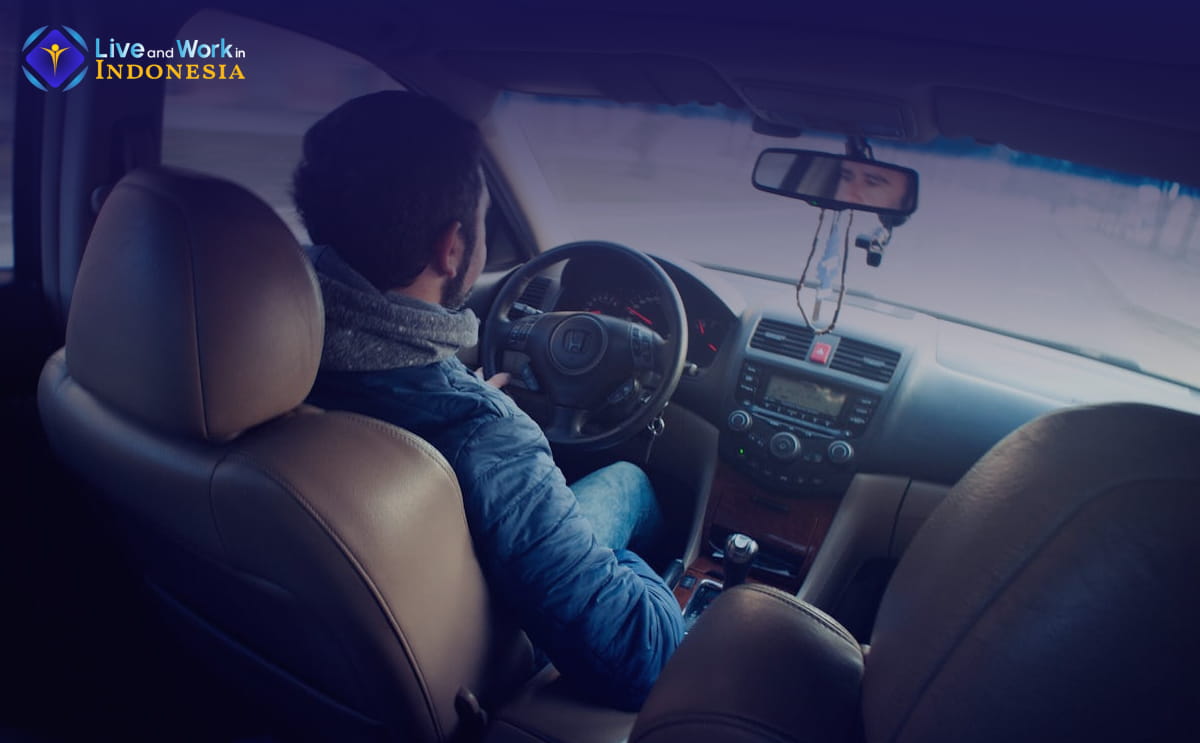
Navigating the vibrant, often chaotic streets of Jakarta or the winding coastal roads of Bali is a rite of passage for any international professional. As Indonesia continues its rapid infrastructure development in 2026, the freedom of mobility remains a top priority for those who choose to Live and Work Indonesia. However, the legal landscape for operating a motor vehicle has shifted toward a more digital, strictly enforced framework.
In 2026, being a “safe” driver in Indonesia goes beyond mastering the art of the horn; it requires a deep understanding of the Driving Indonesia Licenses system and the localized nuances of insurance coverage. With the nationwide implementation of Electronic Traffic Law Enforcement (ETLE) and the synchronization of residency permits with traffic databases, maintaining valid documentation is essential to avoid heavy fines or legal complications.
The 2026 Mobility Landscape: Digital Integration
The year 2026 has brought a “Smart Traffic” revolution to Indonesia’s major cities. From the expanded toll road networks (Trans-Java and Trans-Sumatra) to the AI-driven traffic management in the New Capital, Nusantara (IKN), the environment is more regulated than ever.
1. The ETLE System and Foreigners
The Electronic Traffic Law Enforcement system now uses high-definition facial recognition and plate scanning. For expats, this means that any traffic violation is instantly linked to your NIK (National Identity Number) or passport. If you are driving with an expired or invalid license, the system triggers an alert that can complicate your KITAS renewal.
2. The Move Toward Electric Mobility
In 2026, Indonesia has incentivized Electric Vehicles (EVs) significantly. Driving an EV in Jakarta often grants you exemption from “Odd-Even” license plate restrictions, making the choice of vehicle as important as the license you carry.
For an overview of Indonesia’s commitment to safer and more sustainable roads, the World Bank’s Transport Sector provides context on how infrastructure investments are shaping regional mobility.
Understanding Driving Indonesia Licenses for Expats
In 2026, the Surat Izin Mengemudi (SIM) is no longer just a plastic card; it is a digital credential stored in the Sinar app, linked directly to your residency status.
1. The SIM A and SIM C Categories
- SIM A: This is the standard license for private passenger cars.
- SIM C: This is mandatory for motorcycles. In 2026, SIM C is tiered based on engine capacity (C1 and C2), so ensure your license matches the CC of your bike or scooter.
2. Can You Use an International Driving Permit (IDP)?
While a valid IDP is technically accepted for tourists, those who Live and Work Indonesia on a long-term visa (KITAS/KITAP) are legally expected to obtain a local SIM. In 2026, traffic police frequently check the “Entry Stamp” in your passport; if you have been in the country for more than 90 days, an IDP is often no longer considered sufficient by local authorities.
3. The 2026 Application Process
The process has become significantly more streamlined for expats:
- Medical and Psychological Test: These are now mandatory and can be booked via digital health portals.
- Theory Test: Available in English at major Satpas (Licensing Centers) in Jakarta and Bali.
- Practical Test: Conducted on-site. In 2026, many centers use sensor-equipped vehicles to ensure objective grading.
Comprehensive Insurance: Protecting Your Assets in 2026
Driving in Indonesia carries inherent risks, from minor “fender benders” with motorbikes to flood-related damage during the monsoon season. Standard third-party insurance is often insufficient for the high-value vehicles typically owned by expats.
1. Total Loss Only (TLO) vs. All Risk
- TLO: Covers you only if the vehicle is stolen or damaged beyond 75% of its value.
- All Risk (Comprehensive): This is the gold standard for expats. It covers minor scratches, dents, and third-party liabilities.
2. The “Acts of God” Clause
In 2026, with shifting climate patterns, ensuring your policy includes coverage for floods, earthquakes, and volcanic eruptions is non-negotiable. Most standard policies in Indonesia require this as an “add-on” or endorsement.
3. Third-Party Liability (TPL)
In the event of an accident involving a third party, TPL coverage handles medical expenses or property damage for the other side. Given the potential for legal complications in accidents involving pedestrians or motorcyclists, having a high TPL limit is a critical safety net.
For global standards on vehicle safety and insurance frameworks, the OECD Road Safety Reports offer a benchmark for what constitutes a robust insurance environment.
Cultural Nuances: The Unwritten Rules of the Road
Beyond the legalities of Driving Indonesia Licenses, success on the road requires an understanding of “Adat” (local custom) and the flow of Indonesian traffic.
- The Power of the Indicator: In many Western countries, an indicator is a request; in Indonesia, it is often a statement of intent. Watch for subtle hand signals from motorcyclists.
- The “Peaceful Resolution”: In minor accidents, the local preference is often Musyawarah (deliberation) to reach an immediate financial settlement rather than involving the police. However, as an expat, you should always notify your insurance provider immediately.
- The Left-Hand Rule: Indonesia drives on the left. This may be an adjustment for those from North America or Mainland Europe.
Vehicle Ownership and Registration (STNK)
If you decide to buy a car or bike rather than renting, you will encounter the STNK (Surat Tanda Nomor Kendaraan).
1. Annual Tax and 5-Year Renewal
The STNK must be “stamped” annually (payment of road tax). Every five years, the vehicle must undergo a physical inspection to renew the license plates. In 2026, this can be handled through the “Samsat Digital” system, reducing the need for long queues.
2. Buying Under a PT PMA
Many expats who Live and Work Indonesia choose to buy vehicles under their company’s name (PT PMA). This can provide tax advantages and simplifies the registration process, as the company acts as the legal owner.
Why “Live and Work Indonesia” is Your Roadmap to Safety
Navigating the bureaucracy of licensing and the complexities of Indonesian insurance can be overwhelming. At Live and Work Indonesia, we provide a “turn-key” solution for expat mobility, ensuring you are legally protected and road-ready.
Our 2026 Driving Indonesia Licenses services include:
- SIM Concierge: We handle the scheduling, medical bookings, and translation for your local driving license application.
- Insurance Advisory: We analyze policies from top Indonesian providers to ensure your “All Risk” coverage actually covers the specific risks of your neighborhood.
- Vehicle Registration (Samsat): We manage the annual tax payments and 5-year plate renewals for your private or corporate vehicles.
- Accident Support: Our legal team provides immediate guidance in the event of a road dispute or insurance claim.
- EV Transition Consulting: Helping you navigate the subsidies and registration benefits of switching to an electric vehicle.
Frequently Asked Questions (FAQ)
1. Can I get a driving license on a Tourist Visa?
In 2026, some regional offices (like Bali) allow a “Tourist SIM” valid for one month. However, for a standard 5-year license, a KITAS or KITAP is required.
2. Is my home country’s license valid if I have an IDP?
Yes, but only for the duration specified by the IDP (usually one year) and only if you are considered a “Visitor.” Once you become a resident, you must convert to a local SIM.
3. What happens if I drive without a license in 2026?
Beyond the standard police fines, driving without a valid SIM will void your insurance policy. If you are in an accident, you will be liable for 100% of the costs, and you may face deportation for violating the terms of your stay.
4. Do I need a separate license for a 50cc scooter?
Yes. In Indonesia, even small scooters require a SIM C. There is no “moped” category that allows driving without a license.
5. How do I pay traffic fines (E-Tilang) in 2026?
Fines are issued digitally via SMS or the Sinar app. You can pay them through virtual accounts at most major banks. Failing to pay will result in your STNK being “blocked,” preventing you from paying your annual road tax.
Drive with Confidence in the Archipelago
Mobility is the key to exploring the vast beauty and professional opportunities of Indonesia. By securing your Driving Indonesia Licenses and backstopping your journeys with comprehensive insurance, you transform a potentially stressful task into a seamless part of your lifestyle.
Ready to get behind the wheel? Contact the mobility experts at Live and Work Indonesia today for a personalized licensing consultation. Let us handle the digital permits while you enjoy the drive.
Consult with Our Mobility Team













