
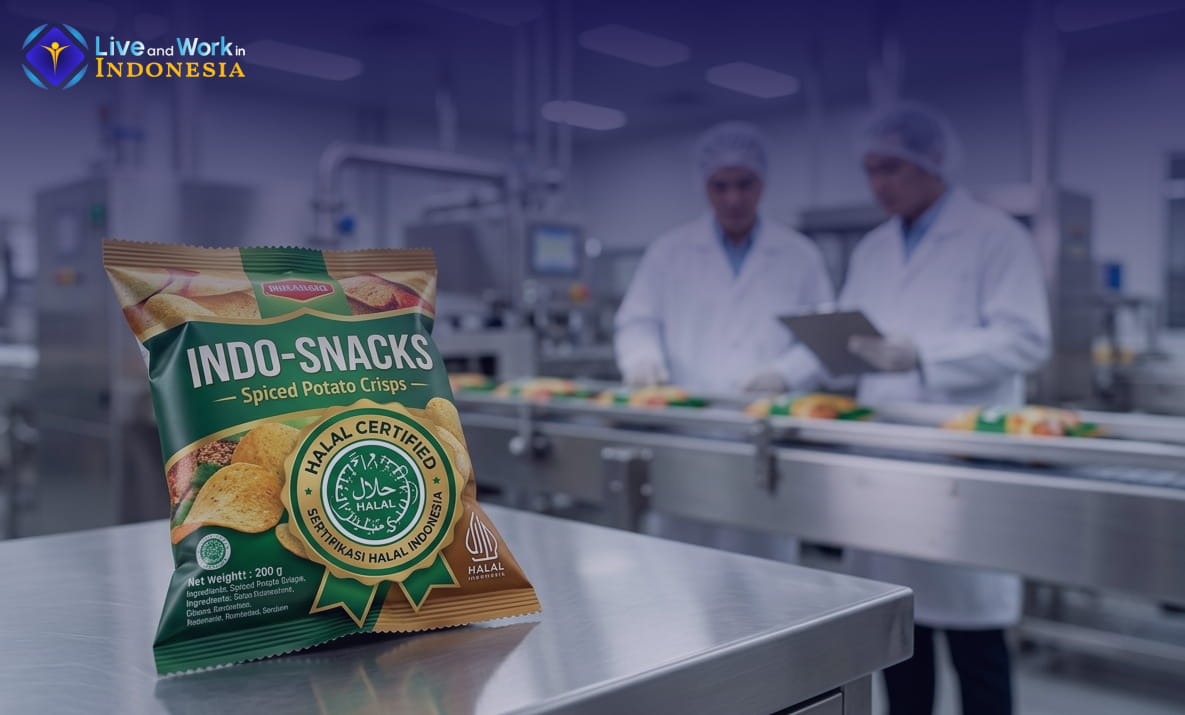
Every cosmetics brand, food supplement importer, and household product distributor operating in Indonesia faces the same countdown right now. By October 17, 2026, products without a valid halal certificate risk shelf removal, customs delays, and administrative sanctions in one of Southeast Asia’s largest consumer markets. If you’re navigating halal certification in Indonesia for the first time, or racing to beat this deadline, this guide covers exactly what the law requires, who it applies to, and how the certification process actually works.
Why Halal Certification in Indonesia Isn’t Optional
Indonesia is the world’s largest Muslim-majority country, home to more than 230 million Muslim consumers. Under Law No. 33/2014 on Halal Product Assurance, halal certification is mandatory, not voluntary, for a broad and expanding range of product categories. The Halal Product Assurance Organizing Agency, known as BPJPH, operates under Indonesia’s Ministry of Religious Affairs and enforces this mandate across the entire country.
The law’s scope is genuinely broad. It applies to products “produced, traded and/or circulated in Indonesia” a definition covering both domestically manufactured goods and imported products with equal force. There is no exemption based on country of origin. If your product reaches Indonesian shelves, the certification requirement applies.
The October 17, 2026 Deadline That Matters Most
Indonesia’s halal certification rollout has followed a phased implementation since 2019. Phase one, covering food, beverages, and slaughter products and services, took effect on October 18, 2024. Phase two the deadline businesses need to focus on right now covers pharmaceuticals, cosmetics, household products, and consumer goods, with a hard deadline of October 17, 2026, under Government Regulation No. 42 of 2024.
This second phase touches categories many businesses don’t immediately associate with halal requirements. It includes PKRT products (Perbekalan Kesehatan Rumah Tangga) disinfectants, antiseptics, insecticides, and personal care items classified as household health supplies. It includes chemical goods, biological products, and genetically modified products. Fashion and handicraft categories, often overlooked, also fall within scope depending on materials used.
One important clarification: a BPJPH decree confirmed in May 2026 generally exempts fresh, unprocessed fruit and beverage products from certification, while requiring certification for processed versions of the same products. Animal products like meat and dairy have required halal certification since 1989 under separate regulation, and the 2026 decree confirms this extends to seafood, dried fruit, and products containing beeswax.
What Happens If You Miss the Deadline
BPJPH began active supervision and enforcement for food and beverage products starting October 18, 2024, and market withdrawal orders have already been issued under that first phase. The same enforcement pattern is expected for the October 2026 deadline.
The consequences for non-compliance are specific and financially significant. BPJPH can issue administrative sanctions, including written warnings and suspension of product distribution. Customs authorities can refuse entry of non-compliant imported products entirely. Products already on store shelves can face mandatory market withdrawal, with the cost borne by the company itself. Major e-commerce platforms including Tokopedia, Shopee, and Lazada increasingly require halal certificate numbers for applicable product categories before allowing listings meaning non-compliance can lock a product out of Indonesia’s dominant online retail channels, not just physical stores.
The Three-Party Certification Model
Indonesia’s halal certification system works differently from voluntary certification schemes in many other countries. Three distinct parties play a role in every certification: BPJPH issues the certificate and operates the SIHALAL registration portal; LPH (Lembaga Pemeriksa Halal), accredited halal inspection bodies, conduct the technical audit and compliance checks; and MUI (Majelis Ulama Indonesia), the Indonesian Ulema Council, issues the underlying halal fatwa — a religious determination before BPJPH releases the final certificate.
This means a clean audit report alone isn’t sufficient for certification. A formal fatwa decision from MUI must also confirm the product’s halal status before BPJPH can proceed to certificate issuance.
The Certification Process Step by Step
The certification process runs through Indonesia’s Halal Product Assurance System, known locally as SJPH. For foreign companies specifically, the process typically follows several stages.
First, register your company with BPJPH through the SIHALAL online platform. Second, submit complete documentation, including ingredient lists, supplier halal certificates, production process flowcharts, and your Halal Assurance System (HAS) manual, built around the HAS 23000 standard. Third, undergo a raw material audit tracing every component back to its source, including processing aids, lubricants used in food-contact zones, and packaging inks details that catch many first-time applicants off guard. Fourth, complete a production process inspection, conducted either on-site or through document review, typically involving an accredited Halal Inspection Body working directly with your facility.
For companies already halal-certified in their home country, a faster route may be available. If your existing halal certification body holds a Mutual Recognition Agreement (MRA) with BPJPH, your products can use the Foreign Halal Certificate Registration route (SHLN) instead of undergoing a full local audit a meaningful time savings for companies with certifiers in countries that have already established this bilateral recognition.
Common Reasons Applications Get Rejected
A few recurring issues consistently derail certification applications during BPJPH review. Missing supplier halal certificates for minor ingredients trips up applicants who assume small-quantity components don’t require the same documentation as primary ingredients. Undocumented carrier solvents in flavors and fragrances create gaps auditors specifically look for. The absence of a formally appointed internal halal auditor within the company structure is another common rejection trigger BPJPH expects an internal compliance function, not just an external certifier relationship.
Maintaining Certification After Approval
Once BPJPH grants certification, several ongoing obligations apply. Companies must display the official Indonesian Halal Label clearly and correctly on packaging, following BPJPH’s specific design and placement standards. Businesses must also maintain their Halal Assurance System continuously, not just at the point of initial certification. Certification renewal is required every four years, or earlier if product formulas, suppliers, or production facilities change in ways that could affect halal status.
It’s worth noting that Indonesia’s halal logo itself changed in 2022. The previous MUI halal logo has been officially superseded by a new national Halal Indonesia mark issued by BPJPH. Companies may continue using the old MUI logo only until October 17, 2026, after which they must transition to the new logo on all subsequent production runs.
Why Businesses Should Start Now, Not Later
The realistic timeline for standard certification, particularly for companies without an existing MRA in their manufacturing country, runs three to six months from initial application to certificate issuance. Given the October 17, 2026 deadline, businesses starting the process today are working with a genuinely tight but manageable window. Businesses that wait until mid-2026 risk missing the deadline entirely, given documentation review, audit scheduling, and fatwa issuance all take real time to complete properly.
For the most current regulatory guidance and certification procedures, businesses should consult BPJPH’s official portal directly, since implementation details and enforcement timelines continue to evolve as the October 2026 deadline approaches.
Frequently Asked Questions
- What is the deadline for halal certification in Indonesia in 2026? October 17, 2026 is the mandatory deadline for pharmaceuticals, cosmetics, household products, and consumer goods to complete halal certification under Government Regulation No. 42 of 2024.
- Does halal certification in Indonesia apply to imported products? Yes. The law applies equally to domestically produced and imported goods, with no exemption based on country of origin.
- Who issues halal certification in Indonesia? BPJPH issues the final certificate, but the process also requires a technical audit from an accredited Halal Inspection Agency (LPH) and a halal fatwa from the Indonesian Ulema Council (MUI).
- How long does the halal certification process take? Standard certification typically takes three to six months, though companies with a Mutual Recognition Agreement between their home certifier and BPJPH may qualify for a faster registration route.
- What happens if a product isn’t halal-certified by the deadline? Non-compliant products can face customs entry refusal, mandatory market withdrawal at the company’s expense, e-commerce platform de-listing, and administrative sanctions from BPJPH.
Get Halal Certification Support From Live and Work Indonesia
Navigating BPJPH’s three-party certification model, SIHALAL registration, and audit documentation requirements without local expertise increases the risk of delays and rejected applications as the October 2026 deadline approaches. Live and Work Indonesia provides business setup, legal compliance, and regulatory support for companies operating in Indonesia helping you understand exactly how halal certification requirements intersect with your broader business licensing and market entry strategy. Contact Live and Work Indonesia today to make sure your business stays compliant well ahead of Indonesia’s certification deadlines.













