
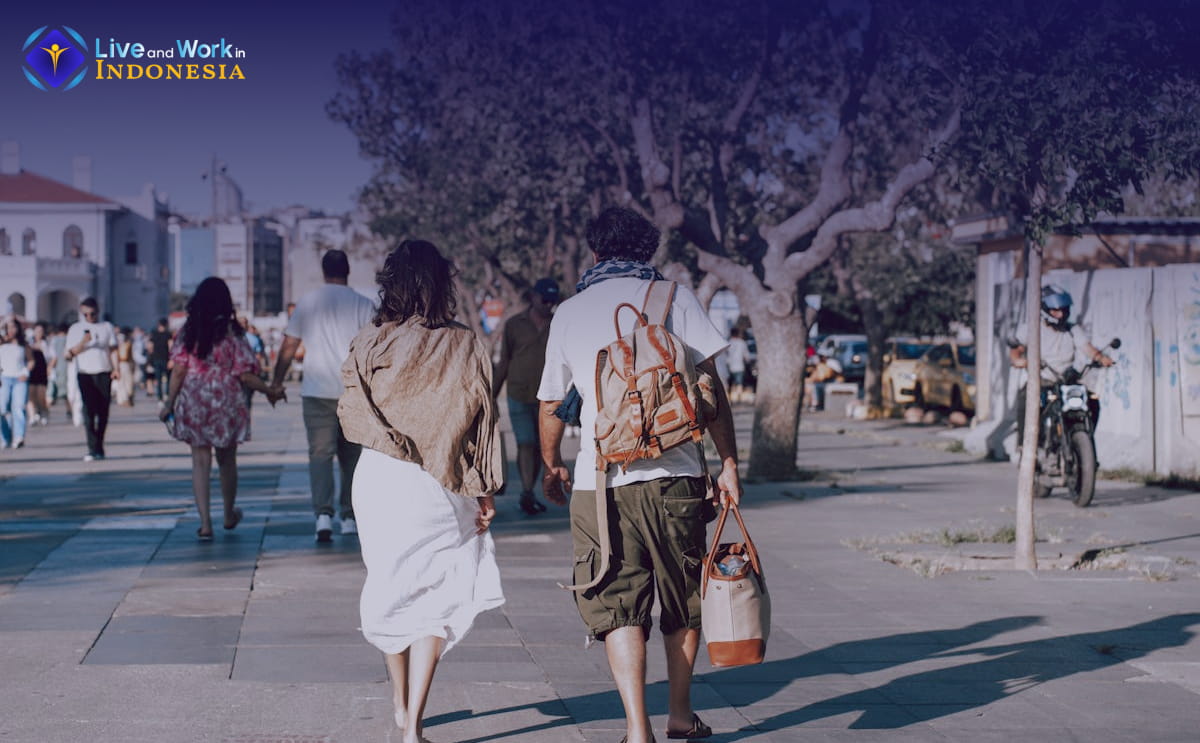
Indonesia remains one of the most compelling destinations in Southeast Asia for expatriates and international investors. With a rapidly modernizing economy, a rich cultural tapestry, and significant regulatory reforms in 2026 making it easier to establish a presence, the archipelago offers immense potential. However, navigating a new country especially one as diverse and vast as Indonesia requires a proactive approach to safety and compliance.
For the modern expat and the savvy foreign investor, Indonesia safety tips extend far beyond basic travel advice. They encompass physical well-being, financial security, and legal adherence within an evolving regulatory landscape. At Live and Work Indonesia, we believe that safety is the foundation of success. By understanding the local environment and staying informed, you can focus on building your business and enjoying the unique Indonesian lifestyle with total peace of mind.
1. Understanding the Security Landscape in 2026
Indonesia is generally safe for expatriates, but like any major developing nation, it requires a “heightened caution” mindset. In 2026, the primary security concerns for expats are not large-scale systemic threats, but rather situational awareness regarding petty crime, traffic hazards, and natural phenomena.
Situational Awareness in Urban Centers
In major hubs like Jakarta, Surabaya, and Bali, petty crime such as bag-snatching or pickpocketing can occur, particularly in crowded tourist areas or on public transportation.
- The “Safe Expat” Strategy: Avoid displaying high-value items, such as expensive watches or jewelry, in public. Keep your phone secured when walking on busy streets, as thieves on motorbikes are known to target pedestrians in transit.
- Protest and Gathering Awareness: Public demonstrations can occur, often triggered by political or economic events. While usually peaceful, they can turn volatile. As an expat, the golden rule is to avoid such gatherings entirely and monitor local news outlets for updates on road closures or security alerts.
Regional Advisories
While the vast majority of Indonesia is welcoming and safe, certain areas specifically parts of Central and Highland Papua are currently subject to “do not travel” advisories due to civil unrest and security risks. Always consult your home country’s embassy travel advice before planning travel to remote, less-developed regions.
2. Traffic Safety: The Expat’s #1 Challenge
If there is one area where Indonesia safety tips are most vital, it is on the road. Traffic in Indonesia is intense, congested, and often unpredictable.
- Motorbike Safety: Many expats gravitate toward motorbikes for their agility in traffic. However, this is also the leading cause of injuries among foreigners. Always wear a high-quality, full-face helmet never accept a ride without one. Ensure your insurance policy specifically covers motorbike accidents, as many standard travel insurance policies have exclusions for this.
- The “Driver First” Mindset: Consider employing a private driver, especially in Jakarta. It not only eliminates the stress of navigating chaotic traffic but also provides a layer of security. If you do choose to drive, remember that in the event of an accident, local law often holds the driver of the larger vehicle (car) responsible, regardless of fault. Never leave the scene of an accident; wait for the authorities to arrive.
3. Legal and Financial Safety for Investors
For foreign investors, “safety” is as much about protecting your capital as it is about physical well-being. In 2026, Indonesia has introduced stricter regulatory compliance for PT PMA (Foreign Owned Companies), making it imperative to play by the rules.
Compliance as a Safety Net
The most common “danger” for investors in 2026 is non-compliance. Regulatory changes, such as the new notarization requirements for Annual General Meetings and tighter trade compliance, mean that your business structure must be airtight.
- Avoid “Nominee” Arrangements: Using a local nominee to hold assets or licenses is a high-risk strategy that is no longer legally supported in Indonesian courts. It leaves you vulnerable to total loss of your assets. Always opt for a compliant PT PMA structure to ensure your investment is legally yours.
- Digital Transparency: With the implementation of the “Coretax” system, all financial reporting must be digitized and accurate. Engage professional tax and accounting services to ensure that your reporting is beyond reproach, shielding your business from unnecessary audit scrutiny.
4. Health and Environmental Readiness
Indonesia sits on the “Ring of Fire,” making seismic activity and volcanic occurrences a reality.
- Monitor Local Warnings: Whether you are in Bali, Java, or elsewhere, download apps or follow local government social media channels that provide real-time updates on volcanic and seismic activity. Always follow the advice of local authorities immediately if an exclusion zone is declared.
- Medical Preparedness: While major cities have international-standard hospitals, remote areas have limited facilities. Ensure your health insurance covers medical evacuation. For those living in Indonesia long-term, maintaining active health insurance is a non-negotiable part of your residency safety plan.
5. Cultural Safety: Respect and Integration
Safety is also social. Indonesia is a country with deep-rooted cultural and religious traditions.
- Mindful Conduct: Being mindful of conservative social customs especially when visiting religious sites or during the month of Ramadan goes a long way in ensuring a harmonious life. Showing respect for local norms is not just a polite gesture; it is an effective way to build positive relationships with the local community, which is your best “security” asset.
- Alcohol and Nightlife: While Bali has a vibrant nightlife, be cautious. “Drink spiking” can occur in popular nightlife hubs. Never leave your food or drinks unattended, and stay in well-lit, reputable venues.
Frequently Asked Questions (FAQ)
1. Is it safe to live in Indonesia as an expat in 2026?
Yes. Indonesia remains a stable and welcoming country for expats. By practicing common-sense safety like avoiding isolated areas at night and being cautious on the roads you can enjoy a high quality of life.
2. Should I drive myself in Indonesia?
For most expats, particularly in Jakarta, we recommend hiring a private driver. If you choose to drive or ride, always carry a valid International Driving Permit (IDP) and ensure you have third-party insurance.
3. How can I ensure my business investment is “safe” in Indonesia?
The safest way to invest is through a legally compliant PT PMA entity. Avoid nominee arrangements and ensure all your corporate filings, such as the LKPM (Investment Activity Report), are submitted on time.
4. Are there areas of Indonesia I should avoid?
Yes. Certain remote provinces, particularly in Papua, are subject to “do not travel” advisories due to civil unrest. Always check the latest official embassy travel advice before visiting remote regions.
5. What is the most important “safety tip” for daily life?
Always keep digital and physical copies of your essential documents passport, KITAS, and insurance details in a secure place. Having these documents accessible in the cloud is a lifesaver in emergencies.
Conclusion: A Proactive Approach to Your Indonesian Journey
Safety in Indonesia is about preparation, not paranoia. By respecting the local traffic conditions, ensuring your business is 100% legally compliant, and maintaining situational awareness, you are well-equipped to thrive. Indonesia is a land of incredible opportunity; with the right guidance, you can secure your path and enjoy all the rewards this vibrant nation has to offer.
Don’t leave your safety to chance & Contact Live and Work Indonesia today for a comprehensive consultation on legal and residency security!













