
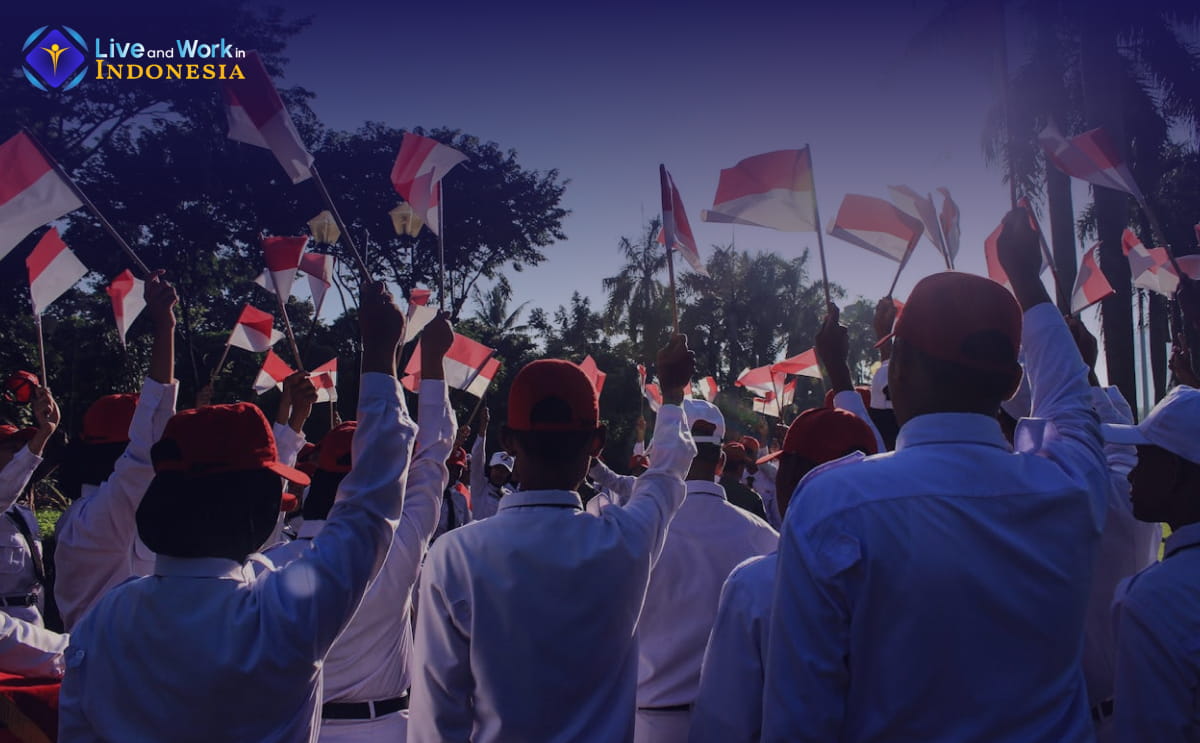
Stepping off the plane at Soekarno-Hatta or Ngurah Rai in 2026 feels different than it did just a decade ago. Indonesia has rapidly modernized, boasting high-speed rail links, a burgeoning digital economy, and sleek skyscrapers that rival Singapore’s skyline. Yet, beneath this veneer of high-tech infrastructure lies a deeply traditional heart. For the thousands of professionals choosing to relocate this year, Indonesia culture shock remains a very real, often overwhelming experience that goes beyond simply adjusting to the tropical humidity.
In 2026, the challenge for expats is “The Great Paradox”: navigating a society that is technologically advanced yet socially governed by centuries-old customs like Adat (tradition) and Gotong Royong (mutual cooperation). Understanding these nuances is the difference between surviving your first six months and truly thriving. This guide provides an in-depth, contemporary roadmap for navigating the social, professional, and psychological shifts required to call the archipelago home.
The 2026 Context: Hyper-Digital but Deeply Traditional
As Indonesia cements its position as a global economic leader, the “shock” for first-timers has shifted. It is no longer about a lack of amenities; rather, it is about the speed at which social etiquette and digital convenience collide. You can order almost any service via a “Super App,” yet you may still need to navigate a complex, indirect conversation with your neighbor about a property boundary.
The “Rubber Time” Evolution
Historically, “Jam Karet” or “Rubber Time” was the most cited cause of Indonesia culture shock. In 2026, while the corporate sector in Jakarta has become increasingly punctual due to global competition, the cultural concept of time remains fluid. Meetings may start on time, but they often begin with significant “small talk” to build Silaturahmi (social connection). For the Western expat accustomed to “getting straight to business,” this can feel like an inefficiency, but in Indonesia, the relationship is the business.
1. Social Etiquette: The Unspoken Rules of 2026
Indonesian society is built on a foundation of harmony (Rukun). Disrupting this harmony is considered a major social faux pas.
The Art of the “Indirect No”
For many first-time expats, the most confusing aspect of local communication is the inability of many Indonesians to say “No” directly. This is not intended to be deceptive; it is an act of politeness to “save face” (Jaga Gengsi). In 2026, even in high-level tech environments, you might hear “I will try” or “Maybe later” when the actual answer is “It’s not possible.” Learning to read between the lines is essential for professional success.
Religious Diversity and Public Conduct
Indonesia is home to the world’s largest Muslim population, alongside vibrant Christian, Hindu, and Buddhist communities. In 2026, social conservatism remains a significant pillar of daily life.
- Dress Code: While Bali is relaxed, professional environments in Jakarta and Surabaya demand “Modest Professionalism.”
- The Call to Prayer: The Adzan is the soundtrack of Indonesia. For those living near a mosque, the 4:30 AM prayer call is often the first “shock” of the day. Embracing this as part of the cultural tapestry rather than a nuisance is key to mental adjustment.
According to the World Bank’s 2026 Social Development Report, social cohesion in Indonesia is strongly linked to religious and communal participation, which foreigners are encouraged to respect.
2. Professional Culture: Hierarchy and “Bapak-ism”
If you are moving to Indonesia for work, the corporate culture will likely be your primary source of Indonesia culture shock.
Respect for Seniority
The concept of Bapak-ism (respect for the father figure/leader) is still prevalent in 2026. Subordinates may hesitate to contradict a superior in a meeting, even if the superior is incorrect. As an expat leader, your challenge is to create a “Safe Space” for feedback without stripping away the dignity of the hierarchical structure.
The Communal Workplace
Indonesians generally prefer working in teams rather than in isolation. The concept of Gotong Royong extends into the office. Celebrating birthdays, eating lunch together (Makan Bareng), and participating in office outings are not “optional” social events they are the glue that holds the professional structure together.
For insights into how international labor standards interact with local customs, the International Labour Organization (ILO) Indonesia offers resources on managing diverse teams in the Southeast Asian context.
3. Navigating the “Traffic and Technology” Paradox
In 2026, Indonesia’s infrastructure is a study in contrasts.
The Traffic (Macet)
Despite the expansion of the MRT in Jakarta and the High-Speed Rail to Bandung, traffic congestion remains a daily reality. The “shock” here is the amount of time lost to transit. In 2026, many expats have transitioned to a “Hybrid” model, using the commute time for digital networking or learning Bahasa Indonesia.
The Super App Life
On the flip side, Indonesia’s digital convenience is often a pleasant shock. Apps like Gojek and Grab have evolved into “Life OS” systems. From paying your electricity bill (integrated with the Coretax system) to ordering a “massage at home,” the digital ease of life in Indonesia often surpasses that of Western Europe or North America.
4. Health and Lifestyle: The “Bali Belly” and Beyond
The physical environment can be a significant source of shock for the uninitiated.
Culinary Courage
Indonesian food is a world-class experience, but the spice levels and hygiene standards in street stalls (Warung) can be a shock to the digestive system. The “Bali Belly” is still a rite of passage for many, though in 2026, the quality of food safety in urban centers has improved drastically.
The Climate and Pollutants
The humidity is constant, but for those in Jakarta, air quality remains a point of concern. Most expats in 2026 utilize air purifiers and track AQI (Air Quality Index) levels religiously. Conversely, the “shock” for those moving to Bali is the sheer intensity of the tropical sun and the “Green” lifestyle that requires constant vigilance against mold and tropical insects.
5. Psychological Adjustment: The “U-Curve” of Adaptation
Most expats experience Indonesia culture shock in phases.
- The Honeymoon Phase: Everything is exotic, the people are incredibly friendly, and the food is amazing.
- The Frustration Phase: “Why can’t I get a direct answer?” or “Why is the bureaucracy so slow?” This usually hits around month three.
- The Adjustment Phase: You start to understand the “Why” behind the “How.” You stop fighting the traffic and start using the MRT or a motorbike taxi.
- The Mastery Phase: You find yourself saying “Ya” instead of “Yes” and feeling a sense of Home in the chaos.
The OECD Investment Policy Reviews emphasize that successful foreign investment in Indonesia is often dependent on the “Cultural Intelligence” (CQ) of the leadership proving that understanding the people is just as important as understanding the numbers.
Why Professional Relocation Support is Essential
The legal and logistical hurdles of moving to Indonesia are complex enough; the cultural hurdles can be even more taxing. In 2026, immigration and tax compliance are fully automated, leaving no room for error. However, a computer cannot teach you how to negotiate with a landlord or how to respectfully decline an invitation.
At Live and Work Indonesia, we specialize in “Soft Landings.” We don’t just process your KITAS; we provide the cultural orientation needed to bridge the gap between your home country and your new life. We help you decode the “Indirect No” and navigate the digital systems of 2026 so you can focus on the opportunities of this vibrant nation.
5 Frequently Asked Questions (FAQ)
1. Is Indonesia safe for solo female expats in 2026?
Generally, yes. Indonesia is known for its hospitality and low rates of violent crime against foreigners. However, conservative dress is recommended outside of tourist hubs to avoid unwanted attention and show respect for local norms.
2. How much Indonesian do I really need to know?
While English is widely spoken in corporate Jakarta and Bali, learning “Bahasa Gaul” (slang) and basic formal Indonesian will drastically reduce your culture shock and open doors that remain closed to “English-only” expats.
3. What is the biggest mistake expats make in Indonesia?
Losing one’s temper in public. “Anger” is seen as a loss of control and causes everyone involved to lose face. A calm, smiling persistence is always more effective than shouting.
4. Can I find “Western” amenities easily?
In 2026, yes. International grocery chains, world-class hospitals, and luxury malls are standard in major cities. However, these come with a “Premium” price tag compared to local alternatives.
5. How do I handle the “curiosity” of locals?
It is common for Indonesians to ask personal questions (about your marital status, religion, or salary) upon first meeting. This is not meant to be intrusive; it is their way of “placing” you in their social hierarchy. Friendly, vague answers are the best way to handle this.
Embrace the Archipelago with Confidence
Indonesia in 2026 is a land of boundless energy, profound tradition, and immense economic potential. While the Indonesia culture shock may be sharp at first, those who approach the experience with an open mind and a spirit of humility find themselves rewarded with a quality of life and a level of community that is rare in the modern world.
Ready to start your journey? Don’t navigate the cultural and legal maze alone. Contact the relocation experts at Live and Work Indonesia today for a personalized orientation and seamless visa processing.
Contact Our Relocation Specialists













