
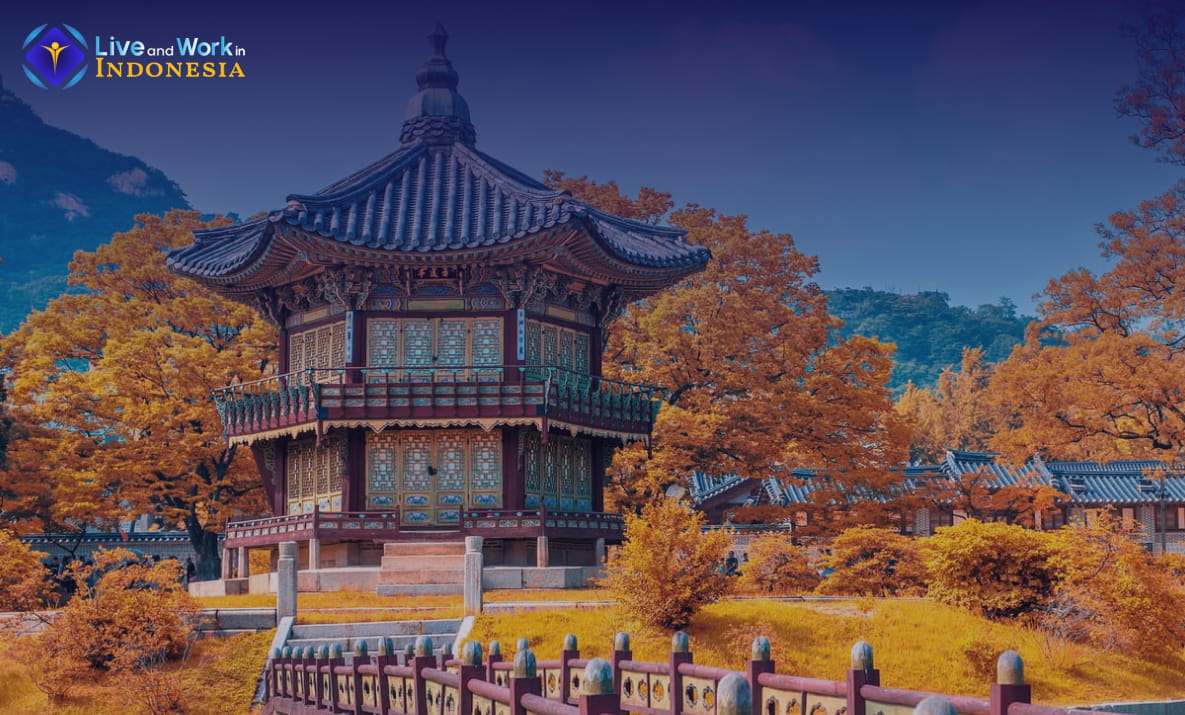
A Korea Study Tour offers students, educators, and academic institutions an opportunity to discover South Korea through education, cultural exploration, technological innovation, and real-world experiences. Beyond its global popularity for K-pop, Korean dramas, and cuisine, South Korea has a rich history, a dynamic economy, and a modern society that can provide valuable learning opportunities for international visitors.
From Seoul’s advanced urban infrastructure to the historic palaces of the Joseon Dynasty, South Korea combines traditional heritage with contemporary development. Students can explore how cultural identity is preserved, how technology shapes everyday life, and how Korean businesses have developed international influence.
For schools, universities, and educational organisations, a study tour can transform classroom concepts into practical experiences. Participants can observe cultural differences, develop international awareness, and gain new perspectives on education, business, history, and innovation.
Understanding why South Korea is worth visiting helps institutions plan an educational journey that is both engaging and academically meaningful.
Why Is South Korea a Worthwhile Study Tour Destination?
South Korea offers a distinctive combination of modern development, cultural heritage, and educational experiences. Its cities provide opportunities to examine contemporary industries, while historical sites and cultural activities introduce participants to the country’s traditions and social values.
1. Experience Korean Culture Beyond K-Pop
Korean popular culture has introduced international audiences to Korean music, entertainment, fashion, and television. A study tour provides an opportunity to explore the broader cultural context behind these global influences.
Students can visit cultural districts, traditional markets, museums, and historical landmarks to learn about Korean customs, food, language, and community life. They can also investigate how entertainment companies, digital platforms, and creative industries contribute to South Korea’s international presence.
For example, a guided visit to a cultural neighbourhood in Seoul can help participants compare traditional architecture with modern commercial spaces. A Korean cooking or language workshop may also provide a practical introduction to local customs.
The official Korea Tourism Organization website offers destination information and ideas for exploring Korean culture and heritage.
2. Explore Technology and Innovation
South Korea is an interesting destination for students who want to understand how technology influences modern society. Its urban environments provide examples of digital services, advanced transportation, consumer technology, and connected infrastructure.
Depending on the programme, educational activities may include science museums, technology exhibitions, innovation centres, or discussions about the development of Korean industries.
Students studying information technology, engineering, business, or digital media can investigate how technological products reach international markets and how innovation affects consumer behaviour.
Where formal visits are available, presentations or workshops can deepen the learning experience. Organisers should confirm access requirements in advance because private companies and research facilities may not accept all visiting groups.
3. Discover Korean History and Heritage
South Korea’s history provides an important foundation for understanding its contemporary identity. Historical palaces, museums, traditional villages, and heritage districts allow students to explore different periods of Korean history and the development of local traditions.
In Seoul, Gyeongbokgung Palace offers an opportunity to learn about royal life during the Joseon Dynasty. Students can examine traditional architecture, historical ceremonies, and the role of cultural heritage in modern Korean society.
A visit to Bukchon Hanok Village can introduce participants to traditional Korean houses, known as hanok, and the challenges of preserving historic neighbourhoods in a modern city.
For additional historical context, the UNESCO World Heritage Centre provides information about South Korea’s recognised World Heritage properties.
4. Understand Education and Global Business
South Korea can also be an engaging destination for groups interested in education, entrepreneurship, and international business.
Students can examine the relationship between education, workforce development, technology, and economic growth. Business-focused programmes may explore Korean consumer brands, retail environments, marketing strategies, and the global popularity of Korean products.
Depending on availability, universities, educational institutions, or business organisations may offer presentations and exchange activities for visiting groups.
These experiences can encourage students to think critically about how cultural preferences, innovation, and international markets influence business decisions.
Best Places to Visit During a Korea Study Tour
The right itinerary depends on the group’s learning objectives, available time, age range, and budget. Selecting destinations based on educational value helps create a more focused experience.
Seoul: Education, Technology, and Korean Culture
Seoul is a practical starting point for a South Korea study tour because it combines modern city life with historical landmarks and cultural attractions.
Participants can explore Gyeongbokgung Palace to learn about Korean history, visit museums to discover national heritage, and observe the city’s public transportation and urban infrastructure.
Neighbourhoods such as Hongdae offer opportunities to discuss youth culture, creative industries, music, and contemporary trends. Meanwhile, traditional markets can introduce students to Korean food culture, local commerce, and everyday social interactions.
Groups interested in business and technology can also explore exhibitions or suitable educational venues, subject to availability and access requirements.
Busan: Maritime Trade and Coastal Development
Busan offers a different perspective on South Korea through its coastal location, port activity, tourism, and cultural attractions.
Students interested in logistics and international trade can investigate the role of ports in connecting economies and moving goods across borders. Cultural visits can include traditional markets, coastal neighbourhoods, and local museums.
Busan can also support discussions about urban development, tourism management, and the relationship between a city’s geography and its economy.
For groups travelling beyond Seoul, Busan provides an opportunity to compare the characteristics of two major Korean cities.
Gyeongju: History and Cultural Heritage
Gyeongju is particularly suitable for programmes focused on Korean history and archaeology. The city contains important heritage sites associated with the ancient Silla Kingdom.
Students can explore historical monuments and learn how archaeological discoveries contribute to the understanding of past societies. These visits can also introduce the importance of conservation and responsible tourism.
Gyeongju complements a modern-city itinerary by showing how historical heritage continues to influence South Korea’s national identity.
Jeju Island: Nature and Environmental Learning
Jeju Island offers opportunities to explore volcanic landscapes, natural heritage, tourism, and environmental conservation.
Students can learn about the relationship between natural resources and local communities while examining how destinations balance tourism with environmental protection.
Depending on the season and itinerary, outdoor visits may include volcanic landforms, coastal environments, or designated nature trails.
Groups should consider weather conditions, transportation, and the time required to travel between destinations before including Jeju in a study tour.
Educational Activities to Include in a South Korea Study Tour
A successful educational trip should combine destination visits with structured activities that help students apply what they learn.
Cultural Workshops and Language Activities
Korean language introductions, traditional craft workshops, and cooking activities can help participants engage directly with local culture.
These activities encourage communication, cultural awareness, and curiosity. Educators can ask students to reflect on differences between Korean customs and those in their home countries.
Technology and Business Exploration
Science exhibitions, suitable educational centres, and business presentations can help students understand innovation and economic development.
For business or marketing students, guided observation tasks may focus on branding, retail design, consumer preferences, and the influence of Korean entertainment on international markets.
All formal institutional visits should be arranged in advance and confirmed with the relevant organisation.
Historical and Cultural Research
Students can complete observation worksheets, keep travel journals, or prepare short presentations about Korean history and heritage.
For example, a group visiting a historical palace could examine traditional architecture, royal traditions, and the preservation of cultural landmarks. These activities make sightseeing more purposeful and support post-trip assessment.
How to Plan a Successful Korea Study Tour
Careful preparation helps schools and institutions create an educational experience that is safe, practical, and aligned with their objectives.
Set Clear Learning Objectives
Start by identifying the subjects participants want to explore. A technology-focused programme may prioritise Seoul’s science and innovation attractions, while a cultural itinerary may include Seoul and Gyeongju.
Choose activities that support the group’s academic interests instead of attempting to visit too many places in a limited period.
Choose the Right Travel Season
South Korea experiences four distinct seasons, each offering different travel conditions. Spring and autumn are often popular for comfortable sightseeing, while summer can be hot and humid and winter can bring cold temperatures and snow in some regions.
The ideal season depends on the group’s preferred activities, budget, and tolerance for different weather conditions. Check forecasts and seasonal travel information before confirming outdoor visits.
Prepare Travel Documents and Group Logistics
Organisers should review passport validity, applicable entry requirements, accommodation, transportation, travel insurance, and emergency procedures.
Entry rules depend on each participant’s nationality and circumstances. Check current information through the official Korea Visa Portal before departure.
Schools should also establish supervision arrangements, emergency contacts, communication procedures, and guidelines for participants during group activities.
Include Reflection and Assessment
Learning should continue throughout the journey. Students can complete daily journals, compare cultural observations, or prepare group presentations about technology, history, or business.
These activities help educators evaluate learning outcomes and encourage participants to connect their experiences with classroom subjects.
Frequently Asked Questions
1. Why is South Korea a good destination for a study tour?
South Korea combines modern technology, cultural heritage, education, business, and entertainment. This diversity allows students to explore several subjects through practical experiences during one international trip.
2. Who can join a Korea study tour?
Study tours can be designed for school students, university students, educators, and institutional groups. The itinerary should reflect participants’ ages, academic interests, and learning objectives.
3. Which cities should be included in a South Korea study tour?
Seoul is suitable for culture, technology, and urban development. Busan offers opportunities to explore maritime trade and coastal life, while Gyeongju is ideal for historical learning. Jeju Island can complement programmes focused on nature and sustainability.
4. What should students prepare before travelling to South Korea?
Students should prepare valid travel documents, appropriate clothing, travel insurance where required, and any documents specified by the organiser. They should also review the itinerary, safety guidance, and applicable entry requirements.
5. How can a school arrange an educational tour to South Korea?
Schools can begin by defining their learning objectives, preferred dates, group size, and budget. They can then consult a study tour provider to discuss suitable destinations, educational activities, accommodation, transportation, and other arrangements.
Plan Your Korea Study Tour with Live and Work Indonesia
South Korea offers more than popular entertainment and sightseeing. It provides opportunities for students to explore history, technology, education, business, and cultural identity through practical learning experiences.
For schools, universities, and educational institutions planning an international programme, selecting the right destinations and activities is an important first step.
Explore the Global Study Tours programme by Live and Work Indonesia to discuss your educational travel objectives and potential programme arrangements. Contact the team to explore a study tour tailored to your group’s interests, schedule, and learning goals.













