
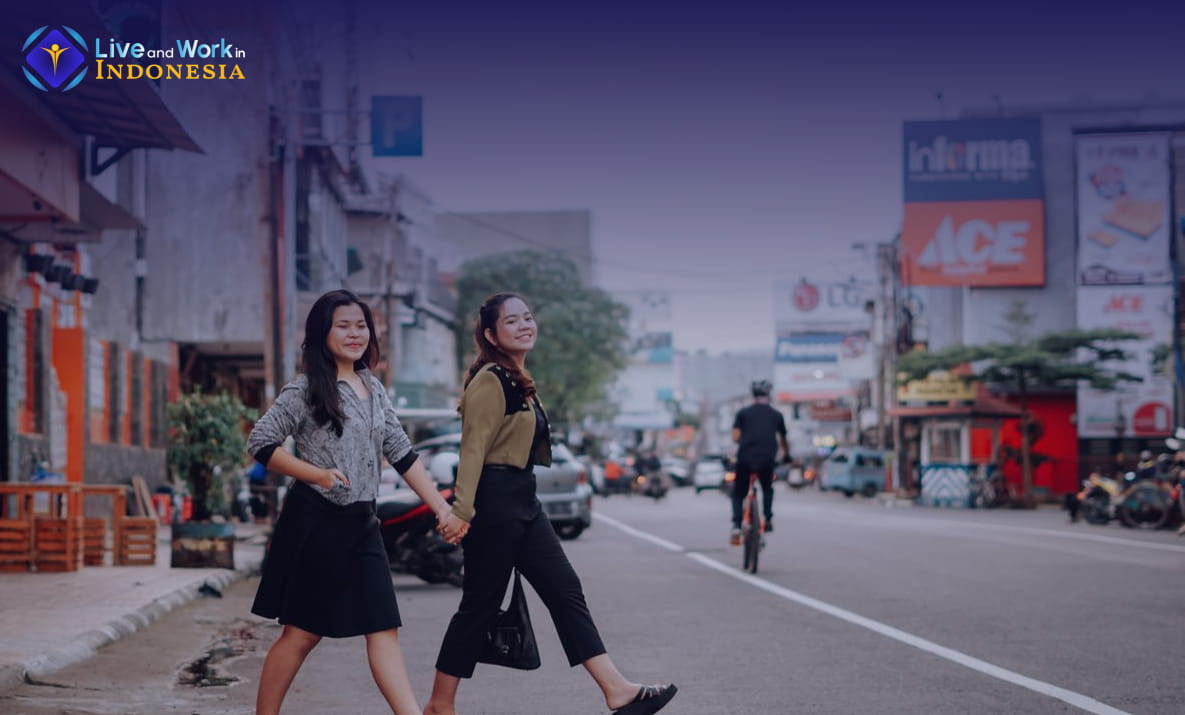
Indonesia keeps drawing visitors back for good reason. Whether you arrived planning to spend two weeks island-hopping across Bali and Lombok, exploring the temples of Yogyakarta, or hiking the volcanic peaks of East Java, it is not uncommon to find yourself mid-trip wishing you had booked more time. The good news is that if you entered Indonesia on an electronic Visa on Arrival (eVoA), extending your stay is entirely possible without leaving the country.
This guide covers everything you need to know about how to extend Indonesia eVisa on Arrival in 2025: whether you are eligible, what documents you need, exactly how the process works step by step, how much it costs, and what happens if your visa expires before you act.
What Is the Indonesia eVisa on Arrival and Can It Be Extended?
The Indonesia electronic Visa on Arrival (eVoA) is a digital visa available to citizens of over 90 countries, allowing entry into Indonesia for short-term tourism, family visits, or brief social engagements. It is purchased online before departure or obtained on arrival at designated international entry points.
The initial eVoA grants a 30-day stay from the date of entry into Indonesia. The strong yes to the question most travelers ask: the Indonesia eVisa on Arrival can be extended once for an additional 30 days, bringing your maximum authorized stay to 60 days in total.
What it cannot do is be extended a second time. Once you reach the 60-day limit, you must depart Indonesia. If you need to stay longer than 60 days, a different visa category with a longer validity period is the appropriate path. According to Indonesia’s Directorate General of Immigration, the eVoA extension is a one-time option only, and exceeding the authorized stay period carries significant financial penalties.
Who Is Eligible to Extend the Indonesia eVisa on Arrival?
Not every traveler holding an eVoA qualifies automatically for an extension. Before beginning the process, confirm that you meet all three of the following conditions:
You entered Indonesia using an official eVoA. The extension process applies specifically to travelers who entered on the electronic Visa on Arrival. Travelers who entered on a different visa type, such as a tourist visa (B211A) or a free visa, follow a different process and different rules.
Your eVoA is still within its validity period. You must apply for the extension before your current 30-day eVoA expires. Applications submitted after the visa has expired place you in overstay status immediately, triggering daily fines regardless of whether you are actively processing the extension.
You have no immigration violations on record. Any prior overstay history, immigration compliance failures, or flagged entries on your immigration record can affect eligibility. If you are uncertain about your status, verify with the relevant immigration office before applying.
Documents Required to Extend Indonesia eVisa on Arrival
Arriving at the immigration office with an incomplete document package is one of the most common reasons for extension delays. Prepare the following before your visit:
- A valid passport with at least 6 months of remaining validity from the date of the extension application
- A printed copy of your existing eVoA document
- A completed extension application form, available at the immigration office counter
- Your current address in Indonesia, including the name of your accommodation
- A return or onward flight ticket (not always mandatory but strongly recommended to bring)
- Payment for the official extension fee
Having all documents organized before arriving at the immigration office will make the process noticeably faster.
How to Extend Indonesia eVisa on Arrival: Step-by-Step
Step 1: Prepare Your Document Package
Begin by gathering all required documents listed above. Print your existing eVoA if you only have a digital copy. Confirm your accommodation address in Indonesia and have it written clearly, as you will need to provide this on the application form.
Do not wait until the last few days of your current visa to begin this preparation. Immigration offices in major tourist areas such as Bali and Yogyakarta can be significantly busy during peak travel seasons, and unexpected delays in processing are far easier to manage when you have started early.
Step 2: Visit Your Nearest Immigration Office
The eVoA extension must be submitted in person at an official Immigration Office. You cannot submit the application at a police station, a hotel, or through any unofficial third-party channel. Indonesia has immigration offices in all major cities and key tourist destinations. Frequently used offices by international travelers include:
- Ngurah Rai Immigration Office, Bali (one of the busiest and most internationally experienced)
- South Jakarta Immigration Office, Jakarta
- Surabaya Immigration Office, East Java
- Yogyakarta Immigration Office, Central Java
Arrive as early as possible to secure a queue number and minimize waiting time, particularly in Bali during the high season.
Step 3: Fill Out and Submit the Extension Form
At the immigration office, request the eVoA extension form from the counter, complete all required fields, attach your documents, and submit the full package to the immigration officer. Make sure all information matches your passport exactly to avoid administrative errors that can delay approval.
Step 4: Pay the Official Extension Fee
The official government fee for extending an Indonesia eVisa on Arrival is IDR 500,000 (approximately USD 35). Payment is made directly at the immigration office and a receipt will be issued. Keep this receipt safely as it serves as proof of your extension application during the processing period.
There are no additional taxes or hidden charges if you process the extension yourself directly at the immigration office.
Step 5: Biometric Registration Appointment
After submitting your application and paying the fee, the immigration office will schedule a return appointment for biometric registration, which includes fingerprinting and a photograph. This appointment typically occurs within 3 to 7 working days of your initial submission. You will be informed of the date and time when you submit your application.
Step 6: Collect Your Passport with the Extension Stamp
Once your extension is approved and biometrics are completed, return to the immigration office to collect your passport. Your passport will contain the new visa stamp indicating the extended authorized stay period. Check the dates carefully before leaving the office to confirm the extension period matches your expectations.
How Much Does It Cost to Extend Indonesia eVisa on Arrival?
The cost breakdown for the eVoA extension is straightforward:
| Service | Cost |
| Official Government Extension Fee | IDR 500,000 (approx. USD 35) |
| Optional Visa Agent Fee | IDR 300,000 to IDR 1,000,000 |
If you choose to use a local visa agent to handle the process on your behalf rather than visiting the immigration office yourself, agent fees typically range from IDR 300,000 to IDR 1,000,000 depending on the level of service and the agent’s reputation. While not required, agents can save time for travelers who are unfamiliar with the process or located far from an immigration office.
When Should You Apply for the Extension?
Apply for your eVoA extension at least 7 days before your current visa expires. This is not a recommendation made lightly. Processing times at immigration offices can run from 3 to 7 working days under normal conditions, and during Indonesian public holidays or peak tourist seasons in Bali, delays beyond 7 working days are not unusual.
If your visa expires during the processing period before your extended stamp is issued, you will be considered in overstay and fines will begin accruing daily regardless of the fact that your application is pending. Applying early eliminates this risk entirely.
Can You Extend Indonesia eVisa on Arrival Online?
In select regions, particularly Bali and Jakarta, Indonesia’s immigration authority has begun accepting eVoA extension requests through the official Indonesia eVoA portal at evisa.imigrasi.go.id. This online option is available only to travelers whose original eVoA was applied for digitally, whose passport details are already registered in the immigration system, and whose visa remains within its validity period.
The online extension option is still rolling out across regions and may not be available at all entry points. Always verify the current availability of online extension with the official portal or your nearest immigration office before relying on this option for your stay planning.
What Happens If You Overstay Your Indonesia eVisa on Arrival?
Overstaying a visa in Indonesia carries consequences that are both financially and legally significant. The Indonesian government takes immigration compliance seriously and enforces its overstay regulations consistently:
- Daily fine: IDR 1,000,000 (approximately USD 65) for every day beyond the authorized stay
- Detention: Overstays beyond 60 days can result in detention by immigration authorities
- Deportation: Serious or extended overstays result in deportation at the traveler’s own expense
- Entry ban: Deportation typically carries a blacklisting from future entry into Indonesia
The financial cost of overstaying even a few days quickly exceeds the cost of applying for the extension on time. There is no practical reason to take this risk.
5 Frequently Asked Questions About Extending Indonesia eVisa on Arrival
Can the Indonesia eVisa on Arrival be extended more than once? No. The eVoA can only be extended once, for an additional 30 days. The maximum total authorized stay under an eVoA including the extension is 60 days. After that period, you must depart Indonesia. If you need to stay longer than 60 days, you will need to exit the country and apply for a different visa type, such as a Social Visitor Visa or a longer-term stay permit.
How long does the eVoA extension process take? The standard processing time is 3 to 7 working days from the date of application submission. Delays can occur during Indonesian public holidays, long weekends, or peak tourist seasons, particularly in Bali. Applying at least 7 days before your visa expiry date provides a comfortable buffer for any unexpected processing delays.
Do I need to leave my passport at the immigration office during processing? Yes. Your passport will be retained by the immigration office during the processing period. You will be given a receipt as proof of your submission. This receipt is an important document and should be kept safely, as it serves as your documentation of legal status during the period your passport is held.
Can I work or freelance in Indonesia while on an eVoA extension? No. The electronic Visa on Arrival, including its extension, is issued strictly for tourism, family visits, and short-term social activities. Engaging in any form of employment, freelance work, or remote working for a foreign employer while on an eVoA is a violation of Indonesian immigration law and can result in deportation.
Can someone else submit my eVoA extension application for me? Yes. A registered visa agent can submit and manage the extension process on your behalf. You will still need to attend the biometric appointment in person, as fingerprinting and photography cannot be completed by a proxy. Using a reputable local agent can be a practical option for travelers who have limited time or who are staying far from a major immigration office.
Plan Your Stay in Indonesia With Confidence
Understanding the rules around how to extend Indonesia eVisa on Arrival puts you in control of your trip from the moment you land. Whether you are spending your extended stay surfing in Canggu, exploring street food in Surabaya, or working your way through the cultural circuit of Central Java, the extension process is manageable with the right preparation and the right timing.
If you have questions about your visa status, need guidance on the extension process, or are considering longer-term stay options in Indonesia beyond the eVoA framework, Live and Work Indonesia can help. Our immigration team provides clear, practical guidance for travelers and foreign residents navigating every aspect of life and work in Indonesia.













