
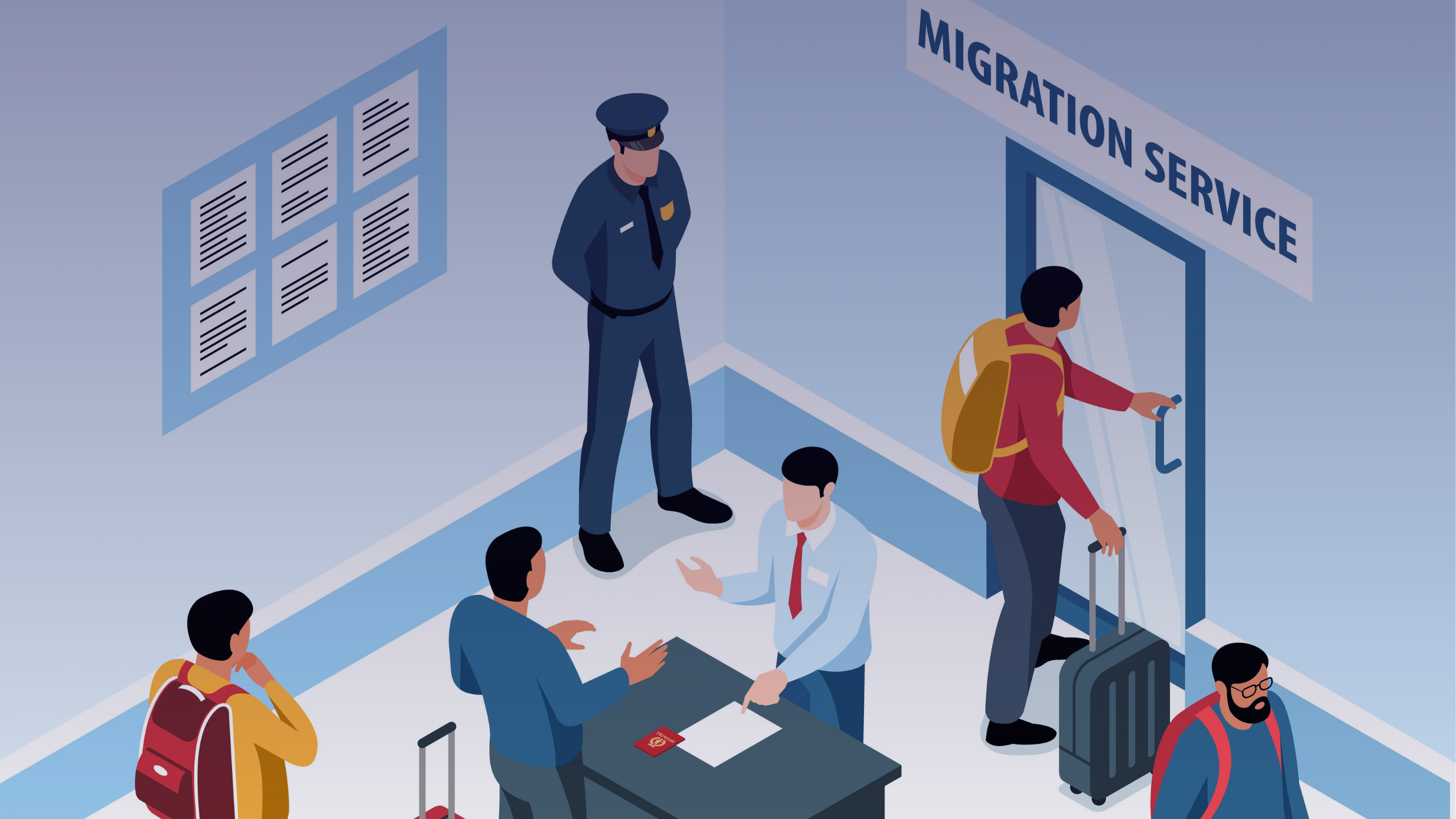
The Indonesian archipelago has transformed into a global magnet for high-tier talent, digital nomads, and strategic investors. As we navigate the fiscal and administrative landscape of 2026, the Directorate General of Immigration has undergone a massive digital overhaul. While the “Golden Visa” and “Remote Worker KITAS” have grabbed headlines, the backbone of a successful stay remains the mastery of Indonesia Immigration Services, specifically regarding the critical processes of visa cancellations and renewals.
In a system that is increasingly automated and linked to tax and labor databases, a simple administrative oversight can lead to heavy fines, deportation, or a permanent re-entry ban. Whether you are transitioning between jobs, closing a business, or extending your residency, understanding the mechanics of the EPO (Exit Permit Only) and the “onshore” renewal system is non-negotiable for any professional looking to Live and Work Indonesia long-term.
The 2026 Digital Shift in Indonesia Immigration Services
By 2026, Indonesia has fully migrated to a “Paperless Immigration” framework. Every visa from the B1 Business Visa to the Investor KITAS is now a digital asset tied to a biometric profile. The “Coretax” system and the “Molina” immigration portal now communicate in real-time. This means that if your work permit is cancelled by the Ministry of Manpower, the Indonesia Immigration Services portal is notified instantly.
This integration has made the process faster but significantly less forgiving. The “gray area” that existed a decade ago has vanished, replaced by a binary system of compliance or non-compliance.
Understanding Visa Cancellations: The EPO and ERP Processes
In the world of Indonesia Immigration Services, “cancelling” a visa isn’t as simple as letting it expire. There are two primary mechanisms for ending a stay permit, and choosing the wrong one can lead to “Blacklisting.”
1. Exit Permit Only (EPO)
The EPO is the standard procedure for those physically present in Indonesia who intend to end their current stay permit (KITAS or KITAP).
- When to use it: When changing sponsors, leaving your job, or moving out of the country permanently.
- The Process: Your sponsor submits a request to the local immigration office. Once approved, you are typically given 7 days to exit the country.
- Crucial Tip: In 2026, the EPO can often be processed digitally, but you must ensure your fingerprints and final biometrics are verified if the system requests it.
2. Exit Re-entry Permit (ERP) Not Returning
What happens if you are already outside Indonesia and realize you won’t be coming back to your job? This is where the ERP Not Returning comes into play.
- The Danger: If you simply “disappear” without an ERP, your visa remains “active” in the system. This prevents your employer from hiring a replacement and prevents you from applying for a new visa in the future.
- The 2026 Update: ERP applications can now be handled entirely by your sponsor via the online portal without you needing to visit an embassy abroad.
Navigating Visa Renewals: The Onshore Advantage
One of the most significant improvements in Indonesia Immigration Services for 2026 is the maturity of the “Onshore” renewal process. Gone are the days of mandatory “Visa Runs” to Singapore or Kuala Lumpur just to switch a stamp.
KITAS Renewals (Stay Permit Extensions)
For those holding a Working, Investor, or Spouse KITAS, the renewal window is critical.
- The Timeline: You should begin the renewal process 30 to 60 days before the expiry date.
- Biometric Updates: Even for renewals, the 2026 regulations require a “Biometric Refresh” every two years to ensure the national security database remains current.
The New “Bridging Visa” (Index 211)
A game-changer in 2026 is the “Bridging Visa” logic. If you are in the middle of a visa renewal or a transition between different types of KITAS (e.g., from Working to Investor), the Indonesia Immigration Services now allow for an onshore transition that keeps your legal status “active” during the processing period, provided all taxes and DKP-TKA fees are settled.
Common Pitfalls: Overstays and Documentation Gaps
Despite the digital advancements, many expatriates find themselves in “Immigration Limbo.” According to recent data from the World Bank’s Indonesia Economic Reports, administrative friction remains one of the top challenges for foreign talent.
The 1-Million Rupiah Rule
The overstay fine in 2026 remains at IDR 1,000,000 per day. However, for overstays exceeding 60 days, the penalty shifts from a fine to a criminal offense, leading to detention and deportation.
Mismatched Data (Passport vs. Visa)
A common reason for renewal rejection is the discrepancy between a new passport and an old visa. If you renew your passport, you must immediately perform a “Passport Mutation” in the immigration system. Failure to link your new passport number to your active KITAS will result in an “Invalid Permit” flag at airport Auto-Gates.
Why Professional Compliance is Mandatory in 2026
The complexity of the Indonesia Immigration Services portal means that “Self-Filing” carries a high risk of error. The system requires specific file formats, Indonesian-translated documents, and proof of social security (BPJS) contributions.
For those managing a workforce, the International Labour Organization (ILO) Indonesia provides guidelines on how labor rights and immigration status intersect. Ensuring that your employees are not only legally allowed to work but are also “cancelled” correctly upon termination is a vital part of corporate governance.
5 Frequently Asked Questions (FAQ)
1. Can I renew my Visa on Arrival (VoA) more than once?
In 2026, the standard VoA is valid for 30 days and can be extended once for an additional 30 days. After 60 days, you must apply for a new visa, which can often be done onshore through the “Bridging” system if you qualify for a different category.
2. What is the difference between EPO and ERP?
An (Exit Only Permit) EPO is done while you are in Indonesia; it gives you a week to leave. An ERP is done after you have already left the country, officially “closing” your file in the Indonesian database so you can apply for a new visa later.
3. Do I need to leave Indonesia to change my visa type?
No. In 2026, most visa transitions (e.g., from a Visitor Visa to a Working KITAS) can be done onshore without leaving the country, thanks to the integrated e-Visa system.
4. What happens if my sponsor refuses to process my EPO?
This is a serious legal dispute. You may need to report the situation to the Ministry of Manpower or seek legal counsel. Without an EPO or ERP, you cannot legally start a new job or obtain a new visa in Indonesia.
5. Is the “Golden Visa” renewable differently?
Yes. The Golden Visa (5 or 10 years) has a simplified renewal process that focuses primarily on maintaining the required investment threshold rather than monthly labor reports.
Secure Your Future in Indonesia
Managing your immigration status is about more than just a stamp in a passport; it is about protecting your right to build a life in one of the world’s most dynamic nations. Whether you are navigating a complex renewal or need to close a file correctly, precision is paramount.
Ready to simplify your immigration journey? Don’t let bureaucracy stand in the way of your vision. Contact the experts at Live and Work Indonesia today for a seamless, compliant, and stress-free visa management experience.
Contact Our Immigration Team via WhatsApp













