Relocating to Indonesia as an expatriate, corporate director, or tech founder is an incredibly rewarding milestone. As Southeast Asia’s largest economic powerhouse, the archipelago presents boundless commercial opportunities, vibrant cultures, and an exceptional quality of life. However, transitioning your daily operations and lifestyle to hubs like Jakarta, Surabaya, or Bali requires solving complex logistical equations. Among these, establishing seamless mobility and securing specialized professional tools stand out as top operational priorities.
For long-term expats, jumping straight into asset ownership such as purchasing personal vehicles or importing specialized corporate office and industrial machinery is rarely the most efficient strategic path. Instead, it frequently introduces complex local tax obligations, depreciation losses, and intensive bureaucratic registration hoops.
To bypass these hurdles, smart international professionals utilize a flexible, integrated approach: combining comprehensive long-term car rental programs with structured localized equipment sourcing. This definitive industry manual details the legal, financial, and operational frameworks required to build an audit-proof logistical setup while living and working across Indonesia.
The Strategic Power of Long-Term Leasing Over Purchasing
When arriving in a new market, the initial impulse for many long-term residents is to look at localized asset acquisition. However, the unique regulatory landscape in Indonesia makes long-term commercial leasing a far superior financial and administrative alternative.
Eradicating Depreciation Loss and Resale Complications
Automobiles and electronic equipment are fast-depreciating assets. Sourcing vehicles or office tech through multi-month or annual leasing models completely shifts the burden of asset depreciation away from your personal ledger or corporate balance sheet. Furthermore, when your assignment concludes, you can completely sidestep the time-consuming process of finding a local cash buyer in the secondary marketplace.
Bypassing Local Bureaucracy and Registration Overhead
Purchasing a car or specialized hardware onshore as a foreign national involves navigating complex civil procedures. To register an asset under your own name, you typically must present advanced residency permits like a KITAS or KITAP, secure localized tax identities (NPWP), and handle annual vehicle tax (STNK) renewal structures. Shifting your mobility strategy to an institutional fleet provider wraps all these bureaucratic steps into a single, predictable monthly invoice.
Preservation of Fluid Capital
Whether you are funding a high-growth tech startup or settling a multinational corporate budget, keeping your liquid capital free from upfront equipment acquisitions is highly advantageous. Long-term leasing preserves your cash flow, allowing you to deploy capital directly into localized revenue-generating assets, marketing channels, and talent acquisition.
Evaluating the Long-Term Fleet: Matching Vehicle Classes to Your Lifestyle
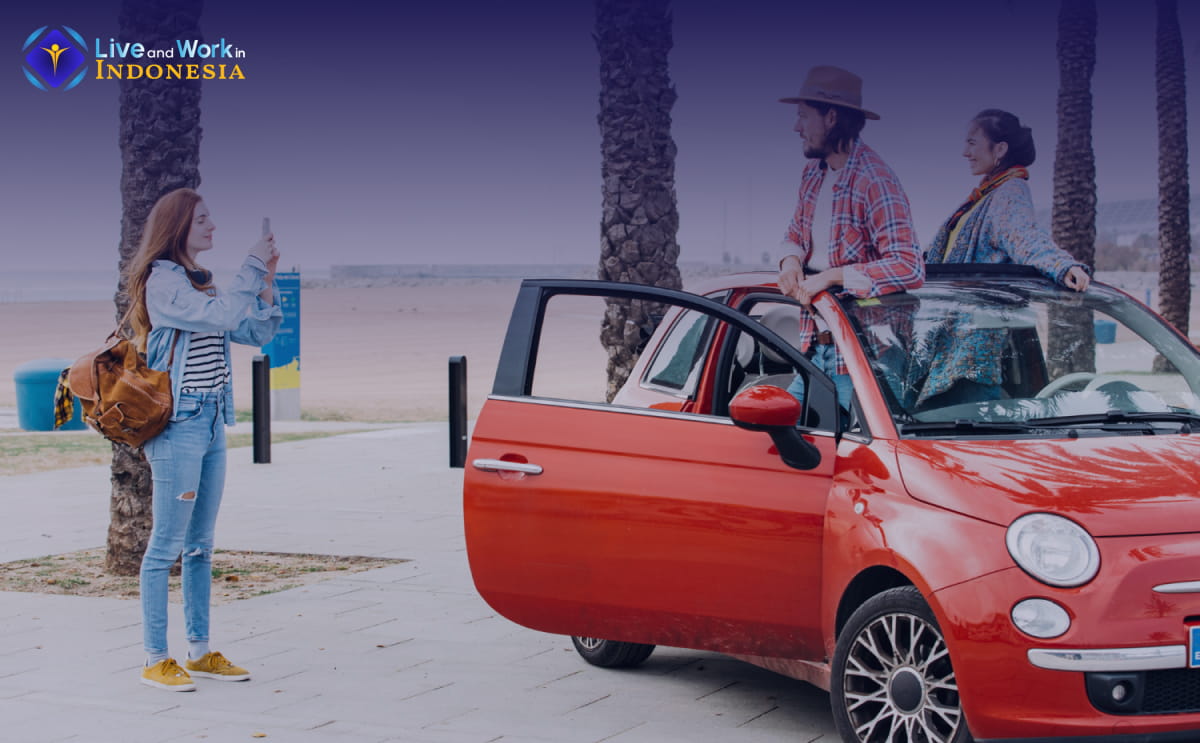
An institutional-grade car rental provider offers a diverse ecosystem of premium vehicles, each meticulously audited to ensure supreme passenger safety, structural integrity, and premium on-road comfort. Expats typically map out their fleet selections based on family dynamics and professional duties:
Premium Multi-Purpose Vehicles (MPVs)
Vehicles like the Toyota Alphard, Toyota Vellfire, or the highly practical Toyota Innova Zenix are the true backbone of Indonesian roads. Featuring multi-zone climate control, luxurious leather seating, individual captain seats, and advanced acoustic insulation, these models are perfect for navigating the city with family while doubling as an excellent workspace on wheels for your daily business commute.
High-Clearance SUVs for Regional Exploration
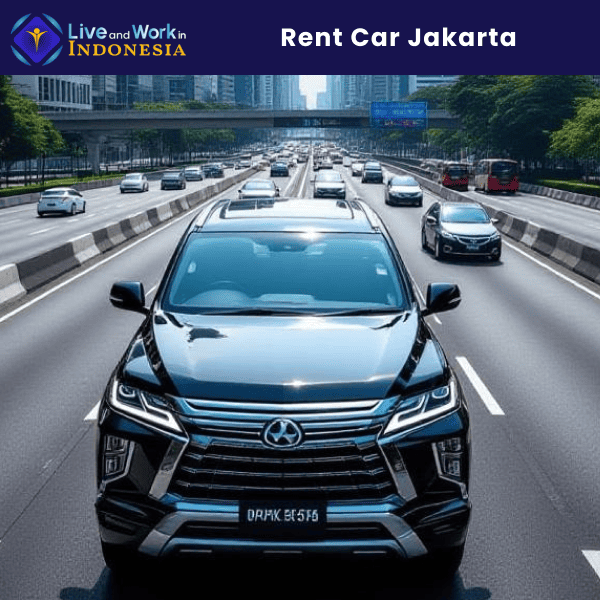
For expats whose corporate operations or weekend lifestyles require traveling into regional territories, industrial mining sites, or rugged coastal terrain, robust SUVs like the Toyota Fortuner or Mitsubishi Pajero Sport are essential. They feature high ground clearance, heavy-duty suspension layouts, and intelligent torque control to navigate rural roadways safely during the tropical wet seasons.
The Chauffeured vs. Self-Drive Decision
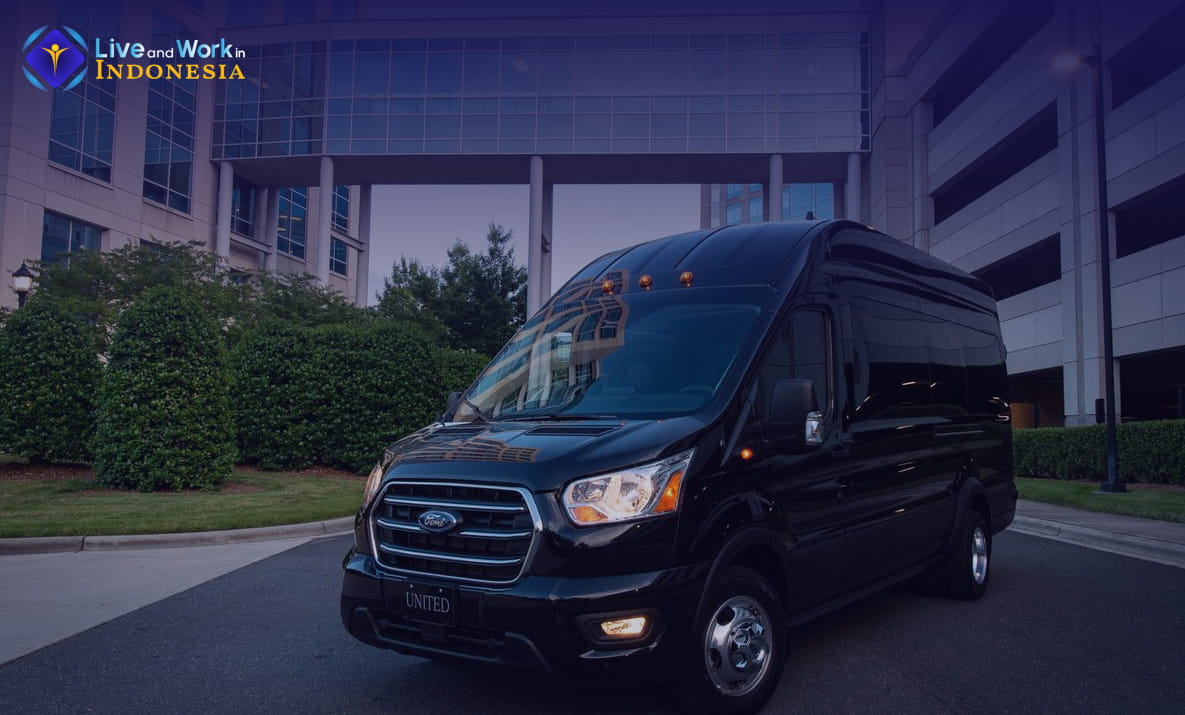
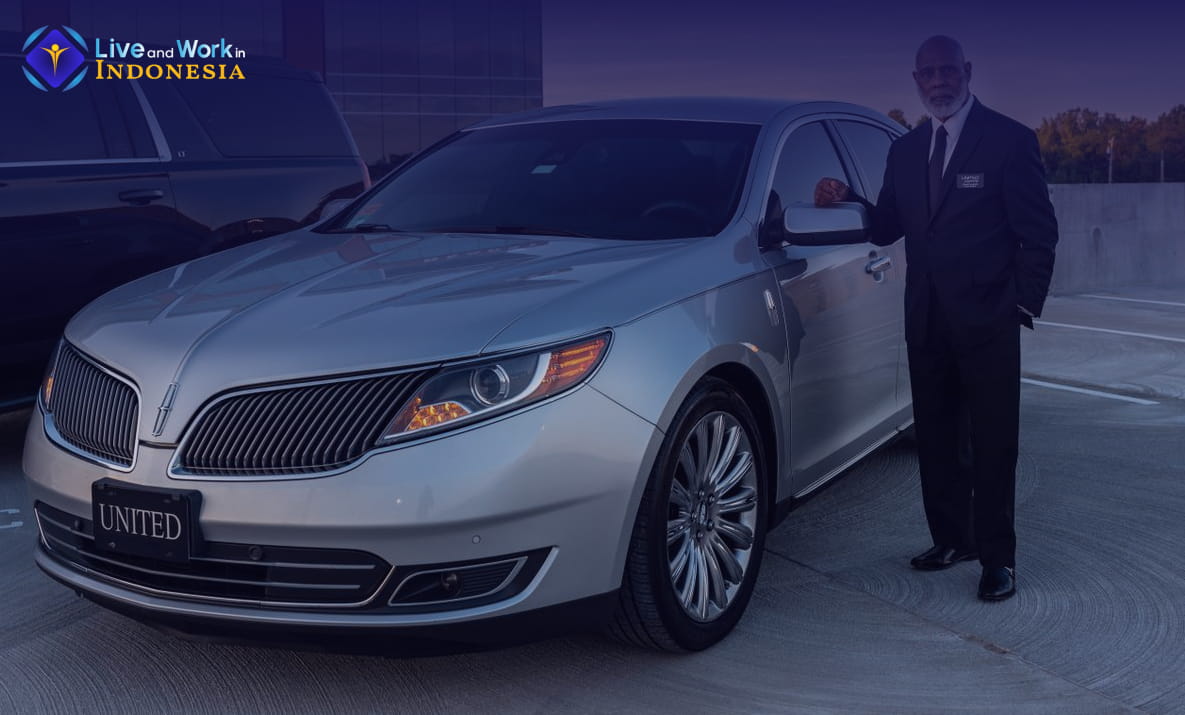
While long-term self-drive models are available for expats who prefer absolute privacy and independence, the overwhelming majority of international professionals choose to utilize dedicated professional chauffeurs. Sourcing a vetted local driver completely sidesteps local accident liabilities, navigates complex municipal traffic frameworks like Jakarta’s odd-even license restriction system and handles parking layouts independently, allowing you to focus entirely on your professional goals.
Streamlining Corporate and Lifestyle Equipment Sourcing
Beyond transportation, establishing a functional corporate or residential footprint requires sourcing essential hardware, tools, and office infrastructure. Navigating local supply chains while ensuring strict compliance with international safety standards can be a challenging process for new arrivals.
Building the Modern Onshore Workstation
Setting up a new corporate space or a home office requires securing enterprise-grade hardware, including high-speed network components, ergonomic workstations, secure servers, and top-tier audiovisual presentation arrays. Sourcing these tools through an integrated advisory partner ensures that your entire technical setup aligns perfectly with regional voltage systems, local warranty frameworks, and workplace safety laws.
Project Site and Specialized Industrial Sourcing
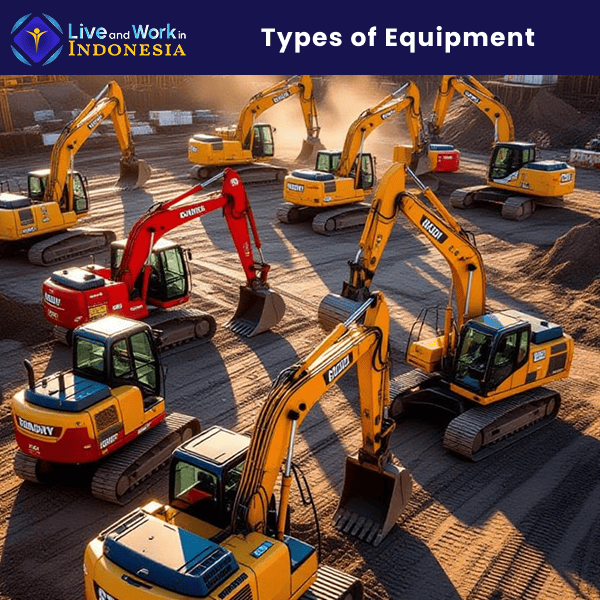
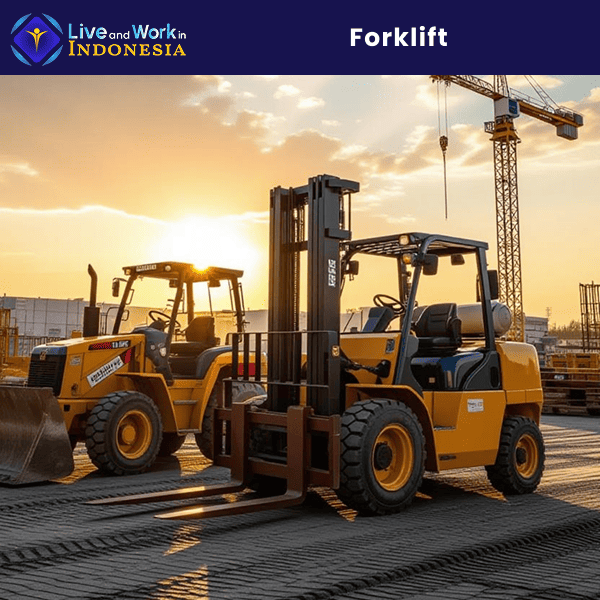
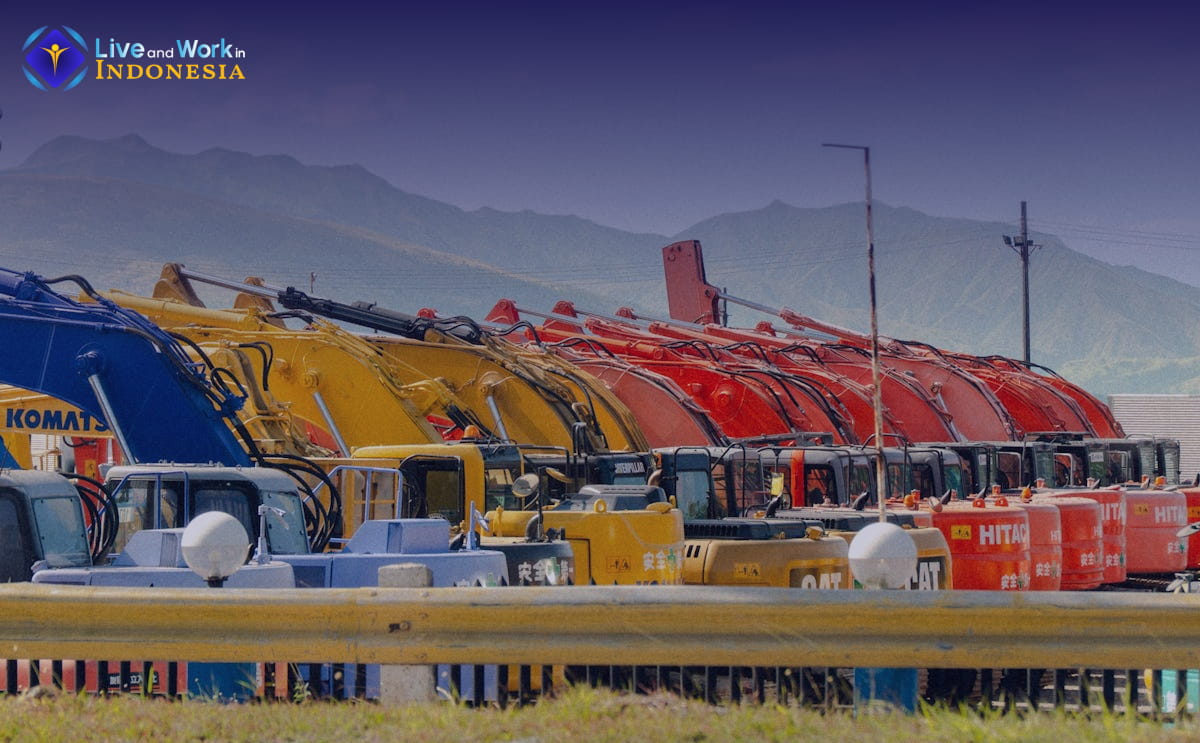
For developers and companies operating in construction, event management, or technical field operations, equipment sourcing expands to include temporary power systems, secure storage units, communication grids, and safety equipment. Partnering with a localized expert ensures you bypass the typical shipping delays, custom clearance friction, and import duties managed by the Indonesian Directorate General of Customs and Excise.
What to Look For in an Enterprise-Grade Service Contract
To ensure complete operational uptime and prevent unexpected legal friction, expat mobility and procurement managers must carefully analyze the Service Level Agreements (SLAs) of their rental and equipment contracts:
- Comprehensive Commercial Coverages: Ensure that all vehicles and high-value hardware items carry comprehensive insurance policies. The contract must explicitly protect users against third-party liabilities, accidental property damages, environmental hazards, and force majeure events.
- The 24/7 Roadside and Technical Replacement Mandate: High-quality contracts feature a strict clause guaranteeing that if a vehicle suffers a mechanical breakdown or an equipment array malfunctions, a technician or a matching replacement asset will be dispatched to your location inside major metros within a predefined, minimal window (typically under 60 minutes).
- Transparent Maintenance Cycles: Sourced assets must undergo documented mechanical and software audits. Ask for equipment that features certified maintenance logs, pristine safety histories, and deep cleaning processes prior to deployment.
Frequently Asked Questions (FAQ)
What documentation must an expat provide for a long-term car rental contract?
To establish a long-term personal rental contract, an expat must typically present a valid international passport, a current temporary or permanent residency permit (KITAS/KITAP), an active driver’s license alongside a matching International Driving Permit (IDP), and a verified personal credit card or bank summary for security authorizations.
Can our corporate entity consolidate both car rental and office tech into a single lease?
Yes. Corporate mobility and procurement managers can structure all-in-one institutional leasing frameworks that combine premium vehicles, dedicated chauffeurs, and workspace hardware into a unified corporate account, streamlining internal accounting and reporting.
How are routine vehicle maintenance and parts replacement handled during long-term leases?
For all institutional long-term contracts, routine servicing, oil changes, engine tunings, and standard wear-and-tear tire replacements are fully managed and paid for by the fleet agency, ensuring zero unexpected out-of-pocket costs for the user.
Is it possible to modify our fleet or equipment choices halfway through a long-term contract?
Yes. Top-tier logistics providers understand that business needs scale rapidly. Contracts can be written with flexible adjustment options, allowing your enterprise to upgrade vehicle sizes or scale up hardware volumes as your onshore workforce expands.
What are the standard rules regarding cross-island travel with a rental vehicle?
Traveling between major islands (such as driving from Java to Bali via ferry networks) is fully permissible under long-term tracks, provided you notify your fleet controller in advance to ensure the vehicle’s commercial insurance extension covers the extra regional territories perfectly.
Simplify Your Logistics with Live and Work Indonesia
Navigating regional traffic guidelines, managing asset depreciation, and coordinating cross-border supply chains requires absolute operational precision. At Live and Work Indonesia, we specialize in removing logistical friction and providing elite transportation and sourcing services for global enterprises, executive boards, and long-term expatriates. From assigning dedicated multi-car corporate fleets to organizing comprehensive office equipment setups, our integrated advisory board ensures you establish your new life across the archipelago with total ease, legal compliance, and security.
Ready to elevate your mobility and secure top-tier equipment solutions anywhere in the country? Partner with Live and Work Indonesia today. We will manage your fleet portfolios, handle your hardware supply lines, and take care of all your logistics needs with complete peace of mind.
Contact Our Elite Mobility and Sourcing Team Today to Secure Your Logistics!