
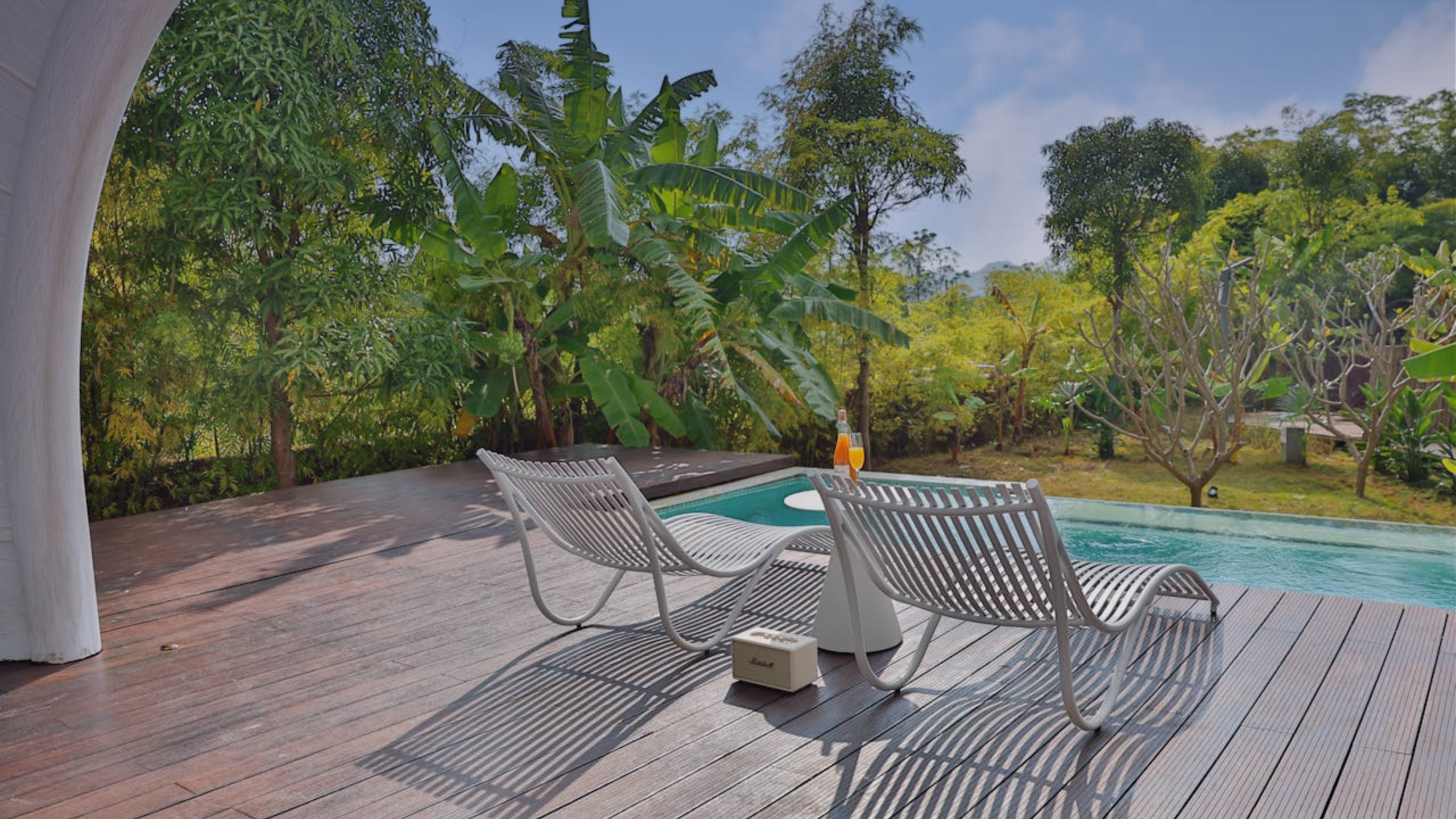
The allure of Bali has long transcended its reputation as a mere holiday destination. As we move through 2026, the “Island of the Gods” has solidified its position as one of the world’s most resilient and profitable property markets. For global investors, Real Estate Bali Expats is no longer just a lifestyle choice, it is a strategic financial move backed by sophisticated digital infrastructure, a booming luxury tourism sector, and a modernized legal framework.
Indonesia’s commitment to economic liberalization, evidenced by the continued refinement of the Job Creation Law and the introduction of the Second Home Visa, has created a fertile ground for foreign capital. Whether you are looking for a high-yield rental villa in Canggu or a serene retirement sanctuary in Uluwatu, understanding the 2026 investment landscape is critical to securing your assets and maximizing returns.
Why Bali Remains a Top Global Investment Hub in 2026
Despite global economic shifts, Bali continues to outperform many traditional real estate markets in Europe and Australia. Several key factors contribute to this sustained growth:
1. The Post-Digital Nomad Boom
The “Work from Anywhere” movement has matured. In 2026, Bali is not just for backpackers with laptops; it is a hub for high-net-worth remote executives and “technopreneurs.” This demographic demands high-end, long-term rentals with fiber-optic connectivity and sustainable designs, driving up property values in premium zones.
2. Infrastructure Expansion
The completion of the North Bali International Airport and the expansion of the Bali Mandara Toll Road have opened up previously inaccessible areas. North and West Bali are now seeing the “early-bird” investment surge that Canggu and Seminyak experienced a decade ago.
3. Progressive Visa Policies
The Indonesian government has streamlined residency for investors. The KITAS Visa and the Second Home Visa allow expats to live and manage their investments legally, providing a level of security that was difficult to achieve in the early 2000s.
Understanding the Legal Framework: How Expats Can Invest
The most common misconception about Real Estate Bali Expats is that foreigners cannot “own” property. While the concept of Hak Milik (Freehold) is reserved for Indonesian citizens, the 2026 legal framework provides robust alternatives that offer nearly identical security for foreign investors.
Hak Pakai (Right to Use)
This is the most secure title for individual expats. Hak Pakai allows you to hold the title in your own name. In 2026, these titles are typically granted for an initial 30 years, renewable for another 20 and 30 years (totaling 80 years).
- Pros: Recognized by international banks for financing and fully transferable to other foreigners or locals.
- Cons: Minimum price thresholds apply, designed to protect the local housing market.
Hak Guna Bangunan (HGB – Right to Build)
For serious investors, establishing a PMA Company Indonesia (Foreign Investment Company) is the gold standard. A PMA can hold an HGB title, which allows for the ownership and development of large-scale projects.
- Pros: Highest level of corporate protection and the ability to own multiple properties under one entity.
- Cons: Requires a minimum investment plan of IDR 10 billion.
Leasehold (Hak Sewa)
A private agreement where you lease the land/property for a set period (usually 25–30 years). While it doesn’t offer a title from the National Land Agency (BPN), it remains popular for its lower entry price and simplicity.
For authoritative data on Indonesia’s economic outlook and property regulations, investors should refer to the World Bank’s Indonesia Economic Prospects.
Trending Investment Hotspots for 2026
Where you buy is just as important as how you buy. In 2026, the Bali property map has expanded beyond the traditional “Golden Triangle.”
1. The New Frontier: Seseh and Kedungu
As Canggu reaches saturation, investors are moving north. Seseh and Kedungu offer the same beachfront charm but with more competitive land prices and a focus on “Green Development” a major trend for 2026.
2. The Luxury Hub: Uluwatu and the Bukit
Uluwatu has transitioned into the “Hamptons of Bali.” With cliff-edge beach clubs and world-class surfing, the Bukit Peninsula is the primary target for high-end villa developments catering to the luxury short-term rental market.
3. The Wellness Capital: Ubud
Ubud remains the leader for retreat centers and eco-villas. In 2026, there is a massive surge in “Wellness Real Estate,” where properties are built with sustainable materials and integrated holistic facilities.
Maximizing Returns: Yields and Capital Gains
Investing in Real Estate Bali Expats offers a dual-income stream.
- Rental Yields: Bali currently boasts some of the highest rental yields in the world, with premium villas in high-demand areas fetching between 8% to 15% ROI annually.
- Capital Appreciation: Land values in developing areas like Pererenan or Bingin have seen annual increases of 15% to 25% over the last three years.
However, success depends on professional management. Managing a property remotely is fraught with risks. Engaging a local firm to handle maintenance, guest relations, and tax compliance is essential.
Navigating Tax and Compliance in 2026
Indonesia’s tax authority (DJP) has become significantly more efficient. As an investor, you must be aware of:
- Rental Income Tax: Usually 10% for residents and 20% for non-residents (reducible via tax treaties).
- Property Sale Tax: 2.5% for the seller and 5% for the buyer (BPHTB).
- Building Tax (PBB): An annual tax based on the property’s assessed value.
The integration of the OECD’s Automatic Exchange of Information means that your Indonesian assets are transparent to your home country’s tax office. Proper Tax Planning for Expats is no longer optional; it is a foundational part of your investment strategy.
Potential Risks and How to Mitigate Them
No investment is without risk. In Bali, these primarily include:
- Zoning Issues (ITR): In 2026, zoning laws are strictly enforced. Buying a villa in a “Green Zone” (agricultural) where building is prohibited will lead to demolition. Always check the latest spatial planning maps.
- Due Diligence: Ensure the land is not subject to disputes. A comprehensive title search is mandatory.
- Construction Quality: Tropical climates are harsh. Using reputable contractors who understand Balinese soil and humidity is vital for longevity.
Why Choose to Live and Work in Indonesia for Your Investment?
Navigating the Bali real estate market requires a multidisciplinary approach. At Live and Work Indonesia, we provide the bridge between your capital and a secure, high-yielding asset.
- Legal Shielding: We handle the setup of your PMA and the verification of land titles to ensure your investment is bulletproof.
- Recruitment & Management: We help you source the best property managers and staff to maintain your villa’s prestige.
- Strategic Consulting: We don’t just find you a house; we find you an investment that aligns with the 2026 market trends.
Frequently Asked Questions (FAQ)
1. Can I buy property in Bali with a Tourist Visa?
While you can sign a leasehold agreement, you cannot hold a Hak Pakai title or set up a PMA (to hold HGB) without the appropriate long-term visa, such as an Investor KITAS.
2. Is it safe to use a “Nominee” structure in 2026?
No. Using an Indonesian citizen to buy freehold land on your behalf through side-agreements is illegal and highly risky. The Indonesian courts do not recognize these “nominee” arrangements, and you could lose your entire investment.
3. What is the minimum investment for a PMA real estate company?
As of 2026, the minimum investment plan is IDR 10 billion, with a minimum paid-up capital of IDR 10 billion. This allows you to legally operate a property business and sponsor your own residency.
4. How long does the due diligence process take?
A thorough legal check of the land title, zoning, and seller’s background typically takes 2 to 4 weeks. We strongly advise against rushing this phase.
5. Are there “Green” incentives for developers?
Yes. The Indonesian government now offers simplified permitting and certain tax deductions for “Eco-Certified” developments that utilize sustainable energy and waste management systems.
Secure Your Slice of Paradise
The window for high-yield Real Estate Bali Expats is wider than ever, but the complexity of the market requires expert navigation. Whether you are a first-time investor or an experienced developer, having a partner on the ground ensures that your journey in Indonesia is as rewarding as the destination itself.
Ready to explore the best property opportunities in Bali? Contact the team at Live and Work Indonesia today for a personalized investment roadmap and legal audit.
Contact Our Property Specialists via WhatsApp













