
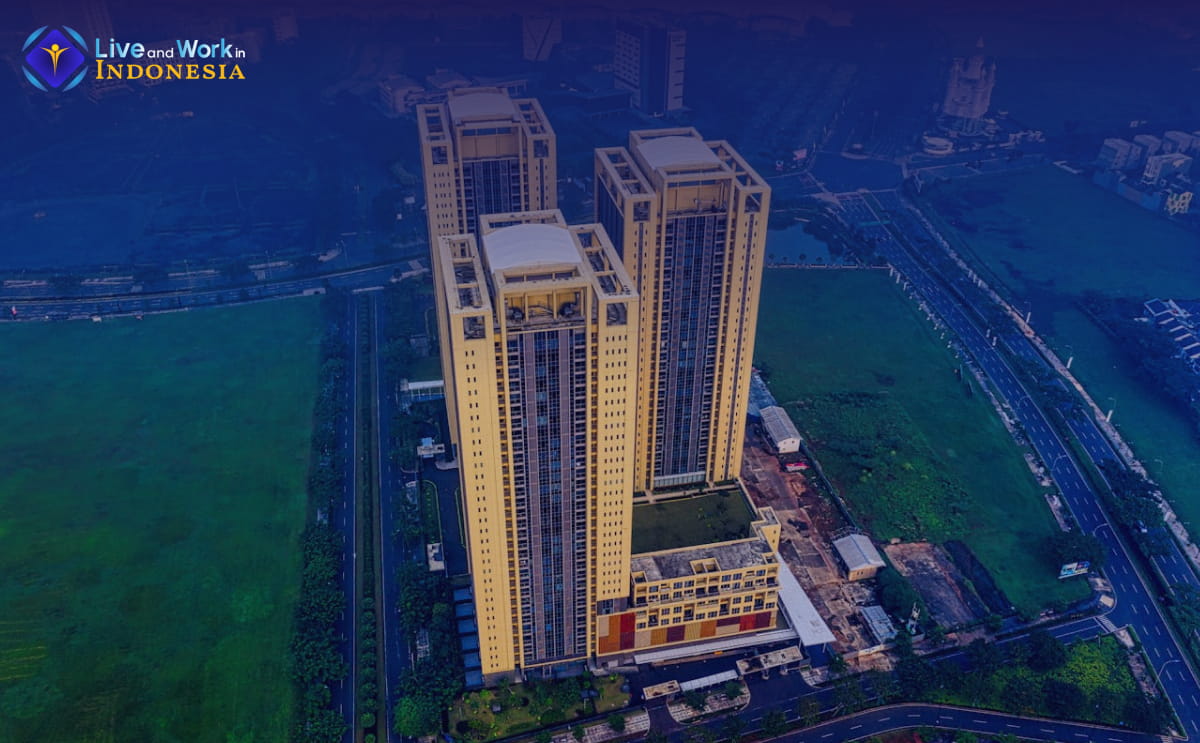
For decades, the dream of owning a slice of paradise in Bali or a high-rise sanctuary in Jakarta was shrouded in legal ambiguity for international investors. However, as we move through 2026, the landscape of Buying Property in Indonesia has undergone a seismic shift. Driven by the “Omnibus Law” and subsequent government regulations, the archipelago has transitioned from a restrictive market to one that actively invites foreign capital through clearer ownership structures and streamlined digital titles.
At Live and Work Indonesia, we have witnessed firsthand how these reforms have empowered expats and global investors. Whether you are seeking a secondary home, a retirement nest, or a high-yield investment property, understanding the 2026 legal framework is essential. This guide provides a deep dive into the types of titles available, the specific requirements for foreigners, and the step-by-step process to ensure your investment is secure.
1. The 2026 Legal Framework: Can Foreigners Own Property?
The short answer is yes, but the “how” matters more than ever. In 2026, the Indonesian government has moved away from the complex nominee structures of the past which often left foreigners legally vulnerable in favor of official, state-sanctioned titles.
Hak Pakai (Right to Use)
This is the primary title for individual foreigners. Under current regulations, Hak Pakai allows you to own a landed house or an apartment unit under your own name. The initial term is typically 30 years, extendable for another 20, and renewable for a further 30, totaling 80 years. In 2026, these titles are fully tradeable and can be used as collateral for bank loans in certain jurisdictions.
Hak Guna Bangunan (HGB – Right to Build)
If you are Buying Property in Indonesia through a legal entity, such as a PT PMA (Foreign Owned Company), you will likely use the Hak Guna Bangunan title. This title grants the right to construct and own buildings on land owned by the state or another party. It is widely considered the strongest title for commercial investments and large-scale residential developments.
2. Specific Requirements for Foreign Property Buyers
In 2026, the “barriers to entry” have been replaced by “thresholds of quality.” The government aims to attract high-value residents who contribute to the economy rather than low-cost speculative buyers.
Minimum Price Thresholds
To protect the local housing market, the Ministry of Agrarian Affairs and Spatial Planning (ATR/BPN) maintains minimum price points for foreign buyers. These vary by region. For instance, in 2026, the minimum price for a landed house in Bali or Jakarta for a foreigner generally starts around IDR 5 billion, while apartments have a lower entry point, often around IDR 2 billion to 3 billion.
Visa and Residency Status
A major breakthrough in 2026 is the decoupling of property ownership from high-level residency permits. While holding a KITAS or KITAP is the standard route, the “Golden Visa” and “Second Home Visa” programs have made Buying Property in Indonesia much easier for those who wish to invest without necessarily working locally.
3. The Step-by-Step Acquisition Process
The process of Buying Property in Indonesia in 2026 is highly digitized, yet it still requires careful physical due diligence.
Step 1: Due Diligence and Certificate Verification
Before any money changes hands, you must verify the land certificate at the local Land Office (BPN). In 2026, most certificates are “Electronic Certificates” (E-Certificates), which significantly reduces the risk of overlapping claims or fraudulent documents.
Step 2: The PPJB (Conditional Sales Agreement)
Once price and terms are agreed upon, a Notary or PPAT (Pejabat Pembuat Akta Tanah) drafts the PPJB. This document outlines the payment schedule and the conditions that must be met before the final transfer of the title.
Step 3: Tax Settlement
Both the buyer and seller must settle their respective taxes.
- Buyer: Pays the BPHTB (Land and Building Acquisition Duty), typically 5% of the transaction value.
- Seller: Pays the PPh (Income Tax), usually 2.5%.
Step 4: Signing the AJB (Deed of Sale and Purchase)
The AJB is the formal document that transfers the right from the seller to the buyer. This must be signed in the presence of a licensed Notary/PPAT. Following this, the Notary will submit the documents to the BPN to change the name on the certificate to yours.
4. Buying Property via a PT PMA: The Corporate Advantage
For serious investors, Buying Property in Indonesia through a corporate structure offers the highest level of legal protection and flexibility.
By establishing a PT PMA, you are treated as a local legal entity. This allows you to hold multiple HGB titles, manage rental income legally, and sponsor your own residency permits. At Live and Work Indonesia, we specialize in PT PMA setup specifically designed for real estate portfolios, ensuring your corporate taxes and land titles are perfectly aligned.
For an official perspective on international investment standards, the World Bank’s Investing in Indonesia report provides excellent data on the current economic stability of the region.
5. Popular Locations for Foreign Investment in 2026
Where should you consider Buying Property in Indonesia this year? The market has expanded beyond the traditional hubs.
- Bali (Uluwatu & Pererenan): These areas remain the “blue chip” investments for high-end villas and luxury lifestyle returns.
- Jakarta (CBD & South Jakarta): Ideal for those looking for premium “lock-up-and-leave” apartments with strong corporate rental demand.
- Lombok (Kuta & Selong Belanak): Often called “The New Bali,” Lombok is seeing massive infrastructure growth, making it a prime spot for capital appreciation.
- IKN (Nusantara): The new capital city is offering unique incentives for early investors in smart-city residential projects.
6. Common Pitfalls to Avoid
Despite the improved regulations, Buying Property in Indonesia can still be risky if you cut corners.
- Using Nominees: Even in 2026, some “agents” might suggest using a local’s name to bypass price thresholds. This is illegal and leaves you with no legal recourse if the nominee decides to reclaim the land.
- Ignoring Zoning (ITR): Just because a plot of land is beautiful doesn’t mean you can build on it. Always check the Informasi Tata Ruang (Zoning Information) to ensure the land is in a “Green Zone” (no building) or a “Tourist/Residential Zone.”
- Unclear Access: Ensure the property has legal road access. Landlocked properties are a common source of legal disputes.
To understand the broader legal context of property rights globally, you can consult the International Property Rights Index.
How Live and Work Indonesia Can Help
The journey of Buying Property in Indonesia is a significant financial milestone. At Live and Work Indonesia, we act as your protective shield and strategic advisor. We provide:
- Legal Due Diligence: We verify every certificate and zoning permit before you commit.
- Transaction Supervision: Our legal team oversees the Notary and the BPN process.
- PT PMA Incorporation: If you are investing for business, we handle the entire company registration and tax setup.
- Visa Coordination: We ensure your residency status matches your investment goals.
Frequently Asked Questions (FAQ)
1. Can a foreigner inherit property in Indonesia?
Yes, but if the property title is Hak Milik (Freehold), which foreigners cannot hold, the heir must either sell the property or convert the title to Hak Pakai within one year.
2. Is “Leasehold” the same as “Hak Pakai”?
Not exactly. Leasehold (Hak Sewa) is a private contract with a landlord, whereas Hak Pakai is a state-registered title in your name. Hak Pakai offers much stronger legal protection for the buyer.
3. Can I get a mortgage as a foreigner in Indonesia?
In 2026, some Indonesian banks have started offering “Expat Mortgages” to those with a valid KITAS/KITAP and a stable local income, though the down payment requirements are usually higher (30-50%).
4. Do I have to pay tax if I rent out my property?
Yes. Rental income is subject to a final withholding tax, usually 10%. If you hold the property via a PT PMA, this is managed through your corporate tax filings.
5. What is an “Electronic Certificate” (E-Sertifikat)?
It is the new digital standard for land ownership in Indonesia. It replaces the old physical green books and is stored in the BPN’s secure database to prevent forgery.
Conclusion: Securing Your Piece of the Archipelago
Buying Property in Indonesia in 2026 is no longer a leap of faith; it is a calculated business move supported by a modern legal infrastructure. By adhering to the official titles, respecting the price thresholds, and performing rigorous due diligence, you can secure a high-performing asset in one of the world’s fastest-growing economies.
The “paradise” you seek is now legally attainable. Ensure your investment is handled with the professionalism and local expertise it deserves.
Contact Live and Work Indonesia today for a comprehensive property consultation!













