
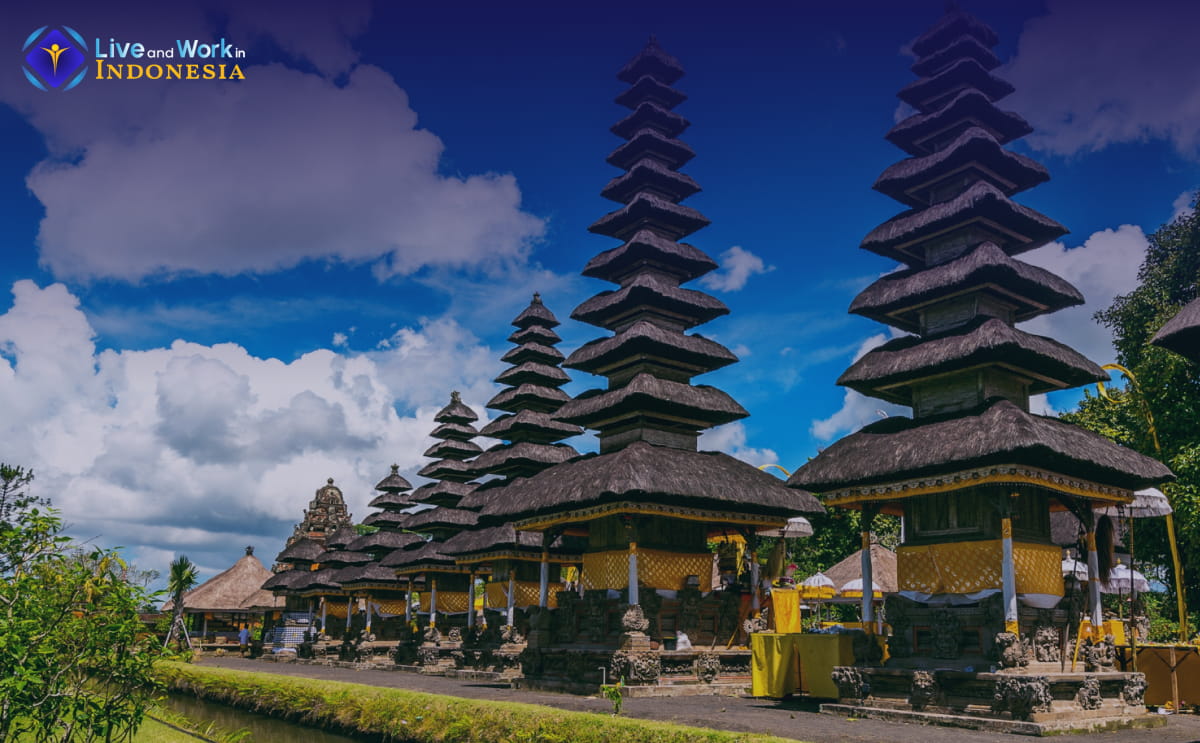
The dream of relocating to a tropical paradise has shifted from a mere vacation fantasy to a viable career move. In 2026, the landscape of Bali for Expats has matured into a sophisticated ecosystem of high-speed fiber optics, world-class international schools, and a burgeoning community of global entrepreneurs. With the Indonesian government’s introduction of specialized permits like the E33G Remote Worker Visa and the refined “Second Home” residency, the barrier to entry has never been more strategically clear.
However, Bali is not a monolith. Each “village” offers a distinct lifestyle, a different pace of productivity, and varying costs of living. For those planning to Live and Work Indonesia, the choice between the surf-heavy pulse of Canggu, the cultural serenity of Ubud, or the upscale convenience of Seminyak is the most critical decision you will make. This guide provides an in-depth, 2026-focused comparison to help you find your ideal Indonesian sanctuary.
The Expat Evolution: Bali in 2026
By 2026, Bali has moved beyond the “digital nomad” experimental phase. Major infrastructure projects, including the improved shortcut networks and the North Bali logistics corridor, have eased some of the historical traffic woes, though the charm of the motorbike remains. The Directorate General of Immigration has fully digitized the residency process, allowing expats to manage their permits via the “Molina” portal with unprecedented ease.
The island now hosts a diverse demographic: from Silicon Valley developers and European creative directors to Australian families and retirees from across the globe. According to the International Organization for Migration (IOM), destination hubs like Bali are becoming essential nodes for “circular migration,” where global talent brings international expertise to local markets.
Canggu: The High-Energy Tech & Surf Capital
In 2026, Canggu remains the undisputed heavyweight of the expat scene. It is the epicenter of the “work-hard, play-hard” philosophy. If your ideal day involves a 6:00 AM surf session followed by a deep-work block in a glass-walled coworking space, Canggu is your home.
1. Productivity and Infrastructure
Canggu boasts the highest density of coworking spaces in Southeast Asia. Hubs like Tropical Nomad and Dojo have evolved into “Innovation Centers” that host weekly networking events for venture capitalists and tech founders. Fiber-optic speeds reaching 1 Gbps are now standard in most modern villas in the Pererenan and Seseh expansions.
2. The Lifestyle
The social scene is unparalleled. From the high-end beach clubs of Berawa to the boutique fitness studios in Echo Beach, there is an obsession with wellness and networking. In 2026, the “Canggu Shortcut” has been replaced by a smart-traffic flyover, but the area still maintains its trendy, bustling vibe.
3. Cost of Living
Canggu is currently the most expensive area for Bali for Expats. A modern 2-bedroom villa in 2026 averages between IDR 40M to 65M per month.
Ubud: The Sanctuary for Deep Focus and Wellness
Nestled among the emerald rice terraces of Gianyar, Ubud offers a stark contrast to the coastal buzz. It is the spiritual heart of the island and, in 2026, has become a primary destination for “Deep Work” professionals writers, researchers, and AI developers who require silence and nature to thrive.
1. Culture and Connectivity
While Ubud is synonymous with tradition, its digital infrastructure is world-class. The area has pioneered “Green Coworking,” where desks are situated in open-air bamboo structures overlooking jungles. The Ministry of Communication and Informatics has ensured that 5G coverage is robust even in the more remote outskirts like Tegallalang.
2. The Lifestyle
Life in Ubud revolves around the “slow living” movement. You are more likely to spend your evenings at a sound healing session or a farm-to-table dinner than at a beach party. It is also the premier choice for “World Schooling” families, given its proximity to the world-renowned Green School.
3. Cost of Living
Ubud offers better value for money regarding space. You can secure a stunning jungle-view 2-bedroom villa for IDR 25M to 40M per month.
Seminyak: The Sophisticated Urban Resort
Seminyak is the “grown-up” choice for expats in 2026. It bridges the gap between the raw energy of Canggu and the quietude of Sanur. It is an area defined by luxury boutiques, fine dining, and a highly organized expat community that values convenience over “trendiness.”
1. Professional Convenience
Seminyak is strategically located. It is closer to the airport (CGK) and the business districts of Denpasar than the other two hubs. For expats who need to travel frequently for regional business, Seminyak’s accessibility is a major selling point.
2. The Lifestyle
The lifestyle here is polished. Think sunset cocktails at the Potato Head Village which has become a global model for sustainable tourism—and high-end grocery stores stocking international brands. It is the most “Westernized” part of Bali, offering a seamless transition for those coming from major global cities.
3. Cost of Living
Seminyak prices are stable but high. Because much of the land is already developed, new villas are rare, keeping the rental market competitive. A premium villa here typically ranges from IDR 35M to 55M per month.
Comparative Table: Bali for Expats 2026
| Feature | Canggu | Ubud | Seminyak |
| Primary Vibe | Tech, Surf, Party | Wellness, Arts, Focus | Luxury, Dining, Urban |
| Internet Speed | 1 Gbps (Excellent) | 500 Mbps – 1 Gbps | 1 Gbps (Excellent) |
| Traffic Level | High (Improving) | Moderate | High (Predictable) |
| Community | Gen Z / Millennial | Families / Creatives | Established Professionals |
| Avg. Rent (2-BR) | IDR 40M – 65M | IDR 25M – 40M | IDR 35M – 55M |
Legal Considerations: Visa and Domicile
In 2026, your choice of location must align with your visa status. Under the latest OECD Global Mobility Trends, countries like Indonesia are tightening “domicile reporting.” Whether you choose Canggu, Ubud, or Seminyak, you must ensure your rental agreement is notarized and that your “Living Report” is updated in the immigration system.
- Remote Worker Visa (E33G): Perfect for Canggu-based nomads.
- Investor KITAS: Best for those looking to open a business (e.g., a boutique in Seminyak).
- Second Home Visa: Ideal for long-term residency in the quiet outskirts of Ubud.
Why “Live and Work Indonesia” is Your Essential Partner
Relocating to Bali involves more than just picking a neighborhood; it involves a complex transition of your legal, fiscal, and professional life. At Live and Work Indonesia, we specialize in the “soft landing.” We understand that your success in the archipelago depends on a foundation of legal certainty.
Our 2026 Bali Relocation Services include:
- Area Selection Concierge: We match your lifestyle and professional needs to the right neighborhood.
- Legal Lease Audits: We vet every rental contract to protect your upfront payments and ensure “Diplomatic Clauses” are included.
- Visa Management: We handle the transition from a visit visa to a long-term KITAS or Remote Worker permit.
- Corporate Setup: If you plan to launch a business in Bali, we manage the PT PMA registration and OSS-RBA compliance.
Frequently Asked Questions (FAQ)
1. Is Bali still affordable for expats in 2026?
Yes, but the “dirt cheap” era is over. Bali offers a high quality of life that is roughly 40-60% cheaper than major Western cities, but premium areas like Canggu now command international prices for luxury amenities.
2. Which area has the best internet for Zoom calls?
Canggu and Seminyak have the most consistent high-speed fiber-optic infrastructure. However, major coworking spaces in Ubud now offer redundant satellite (Starlink) backups to ensure zero downtime.
3. Can I buy property in these areas?
As a foreigner, you can legally acquire property through a Leasehold (Hak Pakai) agreement, typically for 25-30 years with a guaranteed extension. Freehold (Hak Milik) remains reserved for Indonesian citizens.
4. Is Bali safe for solo female expats?
Bali remains one of the safest destinations in the world for solo travelers. In 2026, community-led “Expats Watch” programs and increased tourist police presence in Canggu and Seminyak have further enhanced security.
5. Do I need an Indonesian bank account to rent a villa?
While many landlords accept international transfers, having a local account (via Bank Mandiri or BCA) is highly recommended for paying utilities and local taxes, and it is often required for long-term visa applications.
Find Your Balance in the Archipelago
Whether you are drawn to the crashing waves of Canggu, the emerald mists of Ubud, or the sophisticated streets of Seminyak, Bali in 2026 offers a world-class environment to elevate your career and your life. The key to a successful transition is moving with intention and legal foresight.
Ready to trade your office view for a Balinese sunset? Contact the relocation and legal experts at Live and Work Indonesia today. We will guide you through the visa maze and help you secure your perfect home in the “Island of the Gods.”
Consult with Our Bali Experts













