
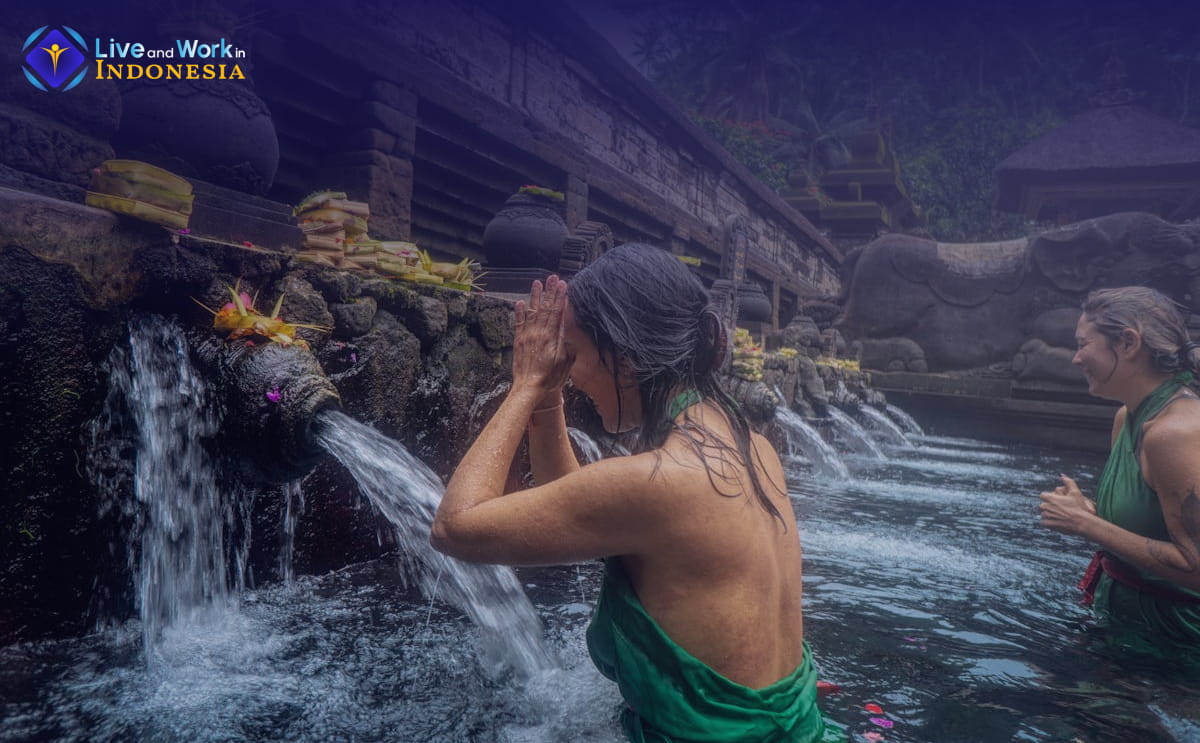
The global workforce has undergone a permanent shift, and in 2026, the term “office” has been redefined by the lush rice terraces of Ubud and the vibrant sunsets of Canggu. The Bali Digital Nomad scene is no longer a niche subculture; it has matured into a sophisticated, multi-billion dollar ecosystem supported by a government that actively courts global talent. With the full implementation of the E33G Remote Worker Visa popularly known as the “Nomad Visa” Indonesia has solidified its position as the world’s premier destination for those who choose to Live and Work Indonesia.
Navigating Bali as a location-independent professional in 2026 requires more than just a laptop and a sense of adventure. It requires a strategic understanding of the island’s evolving infrastructure, the specialized coworking hubs that drive productivity, and the legal compliance needed to enjoy the paradise without friction. This guide explores the definitive 2026 landscape for the modern digital nomad.
The 2026 Digital Infrastructure: Connectivity Beyond the Beach
In previous years, digital nomads often struggled with inconsistent upload speeds or “blackouts” in remote areas. In 2026, those hurdles have been largely dismantled. The Indonesian Ministry of Communication and Informatics has prioritized 5G expansion and satellite internet integration across the island.
1. The Fiber-Optic Revolution
High-speed fiber optics are now standard in almost all professional villas and cafes across the “Digital Triangle” (Canggu, Ubud, and Uluwatu). Speeds of 500 Mbps to 1 Gbps are common, making high-definition video conferencing and heavy data transfers seamless.
2. Starlink and Remote Work
For the Bali Digital Nomad who prefers the isolation of North Bali or the quiet cliffs of Sidemen, the widespread availability of low-earth-orbit satellite internet has opened up previously inaccessible territories. You can now work from a jungle cabin with the same connectivity you would find in a Jakarta skyscraper.
Top Coworking Spaces in 2026: More Than Just a Desk
The coworking culture in Bali has evolved into “Innovation Centers.” In 2026, a coworking space is expected to provide more than just Wi-Fi; it provides a professional community, networking opportunities, and even legal support.
1. Canggu: The Tech-Entrepreneur Hub
Canggu remains the high-energy pulse of the island.
- Tropical Nomad: This legendary space has expanded, offering soundproof pods for podcasting and specialized “Deep Work” zones. It is the go-to spot for Silicon Valley developers and European fintech founders.
- BWork Bali: Focused on a “Work-Life Balance” philosophy, BWork offers a rooftop pool and fitness classes alongside its high-spec office facilities.
2. Ubud: The Creative & Wellness Sanctuary
Ubud attracts a demographic focused on longevity, sustainability, and creative arts.
- Outpost Ubud: Renowned for its community-first approach, Outpost remains a staple for writers and researchers. In 2026, it features integrated wellness centers and farm-to-table catering.
- Alchemy Academy: A newer player that blends culinary school vibes with a high-end creative workspace, perfect for food-tech entrepreneurs and lifestyle influencers.
3. Uluwatu: The Surf and Strategy Hub
Uluwatu is the rising star of 2026, catering to “Scale-up” founders who value physical activity as much as their KPIs.
- The Space Uluwatu: Offering breathtaking views and a minimalist aesthetic, it provides a quiet, focused environment for strategic planning and executive work.
For a broader perspective on how digital nomadism impacts global economic trends, the World Bank’s Digital Development reports highlight the transformative power of remote work in emerging markets like Indonesia.
Building Community: Networking and Social Integration
The secret to a successful Bali Digital Nomad lifestyle is the community. In 2026, social life is highly structured through “Niche Interest Groups.”
- Mastermind Circles: Most coworking spaces host weekly masterminds where nomads can share business challenges and collaborate on projects.
- Skill-Sharing Workshops: From “AI for Marketing” to “Traditional Balinese Woodcarving,” the exchange of knowledge is the island’s informal currency.
- Sustainable Initiatives: Nomads in 2026 are more conscious of their footprint. Communities like Bali Eco-Warriors allow expats to volunteer in coral restoration and plastic waste management, fostering a deeper connection to the local culture.
The International Organization for Migration (IOM) notes that successful long-term migration depends heavily on “social cohesion” and the positive interaction between international residents and the host community.
Legal Compliance: The E33G Remote Worker Visa
One of the biggest changes in 2026 is the legal certainty provided by the government. Gone are the days of “Visa Runs” every 60 days. To truly Live and Work Indonesia, nomads now utilize the Remote Worker Visa (Index E33G).
Key Benefits of the E33G Visa:
- Long-Term Stay: Valid for 1 year, with easy online extensions.
- Tax Neutrality: If your income is derived from companies outside of Indonesia, the tax implications are significantly simplified.
- Digital Integration: The visa is managed via the “Molina” portal, which is linked to your biometric data for seamless entry and exit at Ngurah Rai International Airport.
Failure to hold the correct visa while working (even on a laptop) can result in deportation. In 2026, immigration surveillance has become more digitized, making compliance an absolute necessity.
The Cost of Living in 2026
While Bali remains more affordable than Western cities, the cost of the Bali Digital Nomad lifestyle has risen as the island’s quality of life has increased.
- Accommodation: A high-end 1-bedroom villa in a prime area like Berawa or Pererenan ranges from IDR 25M to 40M per month.
- Dining: A mix of local “Warungs” and international cafes will cost approximately IDR 8M to 12M per month.
- Coworking Membership: Unlimited monthly passes typically range from IDR 2.5M to 4M.
Strategic nomads in 2026 are increasingly looking toward “New Bali” areas like Sidemen or Lombok to find the price points that Canggu offered five years ago.
Why “Live and Work Indonesia” is Your Ultimate Nomad Partner
Transitioning to a life in Bali involves more than just booking a flight. It requires a foundation of legal and logistical security. At Live and Work Indonesia, we specialize in the “soft landing” for the world’s most talented remote professionals.
Our 2026 Nomad Support services include:
- E33G Visa Concierge: We handle your entire application on the Molina portal, ensuring all documentation is “Pre-Approved” to avoid rejections.
- Digital Domicile Support: We help you navigate the “Living Report” requirements so your stay remains 100% legal.
- Tax Residency Consulting: Providing clarity on your tax obligations to ensure you are compliant both in Indonesia and your home country.
- Villa Contract Vetting: Before you pay a deposit, our legal team reviews your lease to protect you from scams and ensure “Nomad-friendly” clauses.
- Community Introduction: We provide curated introductions to the best coworking spaces and niche professional groups based on your industry.
Frequently Asked Questions (FAQ)
1. Do I need an Indonesian bank account as a nomad?
In 2026, it is highly recommended. Digital banks like Bank Jago or Jenius allow you to pay for everything via QRIS (QR codes), which is the standard payment method across the island.
2. Can I bring my family on a Remote Worker Visa?
Yes. The E33G visa allows for “Dependent” applications, meaning your spouse and children can join you and attend one of Bali’s world-class international schools.
3. What is the best way to get around Bali in 2026?
While scooters remain popular, ride-hailing apps like Gojek and Grab are the most efficient and safest ways to travel. For longer trips, “Rent Car Bali” services are available for those who prefer comfort and air conditioning.
4. Is Bali safe for solo nomads?
Bali remains one of the safest destinations globally. However, the 2026 community emphasizes “Digital Safety,” advising nomads to use VPNs and secure connections when working in public cafes.
5. Can I work for an Indonesian company on a Nomad Visa?
No. The Remote Worker Visa is strictly for those employed by foreign entities. If you wish to work for a local company or start your own business, you will need a Working KITAS or a PT PMA Setup.
Design Your Best Life in the Archipelago
Bali in 2026 is a land of opportunity for the disciplined professional. It offers a unique “Arbitrage” of lifestyle allowing you to trade a grey cubicle for a poolside office without sacrificing your career trajectory. By choosing the right community, the right coworking space, and the right legal partner, you ensure your time in the sun is productive, legal, and life-changing.
Ready to start your journey? Contact the lifestyle and legal experts at Live and Work Indonesia today. We will manage the bureaucracy so you can focus on your next big project under the Balinese palms.
Consult with Our Nomad Team













