
MATARAM, LOMBOK — A significant migration trend is developing between Singapore and neighboring Indonesia. Driven by soaring consumer price indices, expensive property structures, and the persistent stress of a fast-paced urban environment, Singaporean citizens and long-term expatriates are actively restructuring their post-career strategies. The search for a balanced, wellness-focused lifestyle has led many to look beyond the city-state’s borders.
Recent operational data reveals that a growing number of wealth holders are choosing the natural landscape of Lombok over the high cost of living in Singapore. This lifestyle transition is fully supported by the newly updated Indonesia Retirement Visa frameworks, allowing seamless cross-border relocation.
Historically, moving long-term to the ASEAN region meant navigating complex commercial setups or undergoing frequent, stressful border runs. The current 2026 immigration ecosystem has streamlined this process, providing clear, dedicated residency streams that separate long-term stay permissions from active local employment.
By utilizing these legal pathways, Singaporean retirees can effortlessly shift their asset base into a premium tropical environment. Coordinating this elite migration is handled smoothly by partnering with an end-to-end global mobility and legal consulting specialist like Live and Work Indonesia.
Comparing the Landscape: The Structural Reality of Singapore vs. Lombok
For decades, Singapore has stood as a major global financial center. However, the everyday financial realities of 2026 have prompted senior professionals and retirees to re-evaluate their long-term housing options.
The Financial Pressures of Singapore’s Urban Core
Retiring comfortably within Singapore requires substantial capital retention, heavily impacted by some of the world’s highest real estate valuations and strict vehicle ownership costs (COE). Finding large open spaces, private gardens, and quiet coastal surroundings is exceptionally rare and costly. When coupled with rising domestic service costs and inflation, maintaining a relaxed, high-end lifestyle during retirement becomes a continuous financial challenge.
The Natural Luxury and Well-being of Lombok
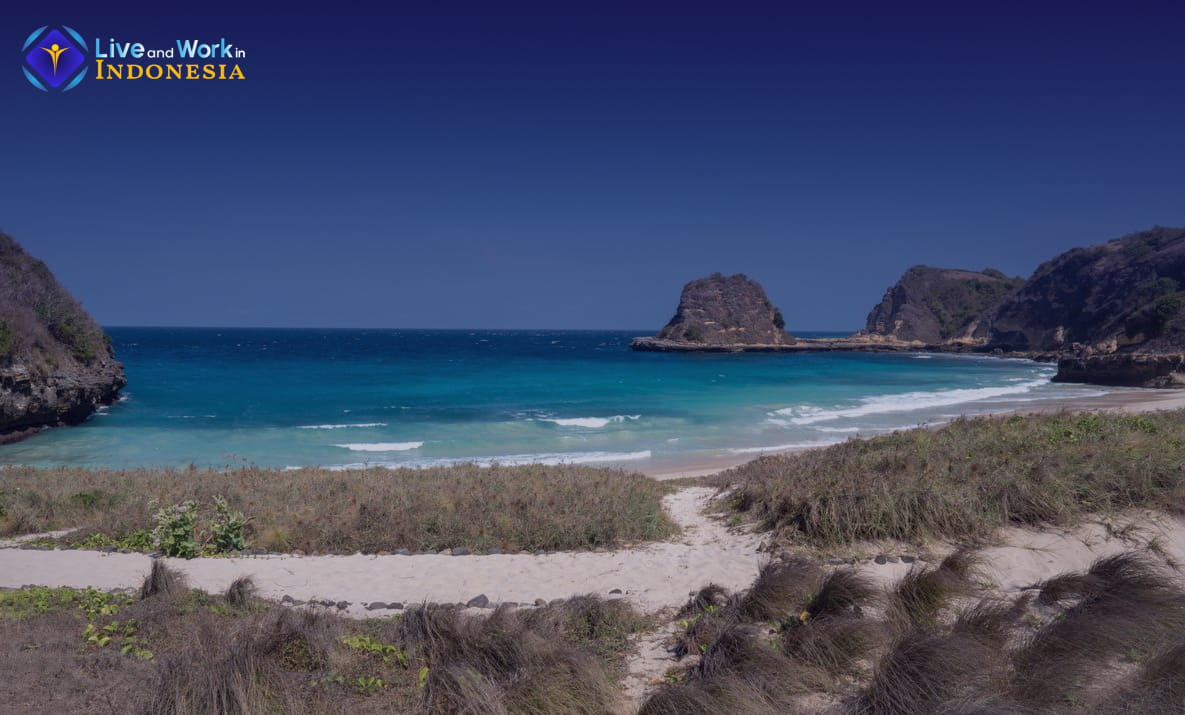
In contrast, Lombok offers an exceptional alternative for affluent Singaporean retirees. The island delivers a perfect balance of uncrowded white-sand beaches, premium beachfront developments, world-class surfing, and a tranquil community atmosphere.
The capital needed to maintain a modest high-rise apartment in Singapore can secure a magnificent luxury villa in South Lombok (such as Kuta or Selong Belanak), complete with private infinity pools, pristine ocean views, and dedicated domestic staff. This major lifestyle upgrade is backed by expanding high-speed fiber networks and direct flight connections to major regional transport hubs, allowing retirees to stay closely connected to their overseas portfolios.
The Legal Blueprint: Navigating the Indonesia Retirement Visa for Singaporeans
To legally establish a permanent home in paradise without the administrative complications of operating a local commercial enterprise, Singaporean citizens have access to specialized, non-commercial residency pathways.
1. The Standard Indonesia Retirement Visa (Index E33F)
Specifically updated for international citizens, this temporary stay permit allows eligible retirees to live long-term anywhere in Indonesia without requiring local corporate placement. It grants a reliable, multi-entry residency status that updates smoothly, giving retirees complete long-term peace of mind.
- Age Limit: Under the updated 2026 guidelines, applicants must be 60 years of age or older to qualify for this standard retirement stream.
- Proof of Funds: Applicants must demonstrate absolute financial independence by showing a steady, verified pension or passive income flow of at least USD 3,000 per month.
2. The Elite Second Home Visa (Index E33)
For younger Singaporean wealth holders, digital asset pioneers, and self-sufficient families who want long-term residency stability but do not yet meet the 60+ retirement age threshold, the Indonesia Second Home Visa provides an elite 5-to-10-year residency pathway. This premium program requires applicants to demonstrate clear financial self-sufficiency through one of two transparent options:
- The State Bank Deposit: Placing a personal capital deposit of at least IDR 2 billion (or its foreign currency equivalent) into a designated Indonesian state-owned bank account (Bank Milik Negara).
- The Luxury Property Route: Providing official proof of ownership for a premium local property held under valid foreign investment property titles (Hak Pakai), meeting the required regional valuation minimums.
Asset Protection and Strategic Legal Compliance
Relocating personal asset streams and moving offshore capital into a new jurisdiction requires strict adherence to international security protocols and compliance standards.
Protecting Personal Asset Architecture
Managing cross-border financial transactions requires bank-grade data security protocols that fully align with global privacy standards, reflecting the criteria set by the OECD Digital Economy Guidelines.
- Secure Document Tracking: Keeping financial histories, property titles, and bank statements within encrypted, multi-factor authenticated (MFA) cloud networks, protecting personal records from unauthorized access.
- Compliant Tax Alignment: Ensuring all offshore investments, global dividend streams, and monthly pension payments are structured precisely to meet local regulatory guidelines.
According to global macroeconomic reports from the World Bank’s East Asia Migration Monitors, international expats achieve much higher legal security and avoid major processing delays when they bypass unverified local agents and work directly with established corporate secretarial firms.
Seamless Legal Engineering with Live and Work Indonesia
At Live and Work Indonesia, we remove the administrative stress from your international relocation. Operating as your trusted corporate secretarial, legal advisory, and global mobility partner, our specialist team manages every phase of your migration process. We handle everything from setting up your state bank accounts and processing offshore transfers to working directly with the Directorate General of Immigration to secure your long-term permits.
Beyond processing your visa, our in-house legal experts perform rigorous due diligence on luxury real estate transactions, ensuring your villa purchases or long-term lease agreements strictly satisfy Agrarian Law mandates and regional spatial zoning laws. Whether your goal is to retire quietly near the pristine Gili Islands, build a cliffside sanctuary in South Lombok, or position your family legally to Live and Work Indonesia, we establish the secure corporate and legal foundation you need to transition with complete confidence.
5 Frequently Asked Questions (FAQ)
1. Can I legally run a local business using the Indonesia Retirement Visa?
No. These specific entry pathways are strictly categorized as non-working residency visas. If your primary goal is to trade within local markets, invoice Indonesian companies, or earn an active local corporate salary, you must formally incorporate a foreign company in Indonesia (PT PMA) to obtain valid commercial visa sponsorship.
2. Can I bring my spouse if they do not meet the minimum age requirement?
Yes. While the primary applicant must satisfy the mandatory age criteria for the standard retirement stream, your legal spouse can be included as a dependent regardless of their age. They will be granted a synchronized Dependent Visa (C317), provided you supply an officially legalized or apostilled marriage certificate.
3. What happens to my residency if the primary visa holder passes away?
Because a dependent visa is directly linked to the primary applicant’s sponsor status, the primary holder’s passing technically voids the dependent visa. However, Indonesian immigration generally provides a 30-to-60-day grace period, allowing the surviving spouse to either transition onto their own independent retirement visa (if eligible) or convert to a Second Home Visa.
4. Are Singaporeans required to pay local taxes on global wealth?
Indonesia utilizes a residency-based tax framework. However, specialized residency programs like the Second Home Visa offer favorable tax treatments for foreign-sourced passive income, provided you do not engage in local domestic commerce. Our advisory team provides customized tax mapping to ensure your global portfolio remains properly optimized.
5. How long does the electronic visa application process typically take?
Once all supporting financial records and identity documents are fully verified, the electronic visa (e-Visa) processing through the centralized immigration system generally takes 3 to 4 weeks, followed by standard biometric collection after you arrive in the country.
Secure Your Strategic Base in Southeast Asia’s Rising Paradise
The modernization of Indonesia’s non-commercial visa tracks presents a unique opportunity for Singaporean residents to exchange dense urban settings for a healthier, more balanced lifestyle. Securing your multi-year residency early protects your long-term well-being and positions your personal assets perfectly within a rapidly growing lifestyle corridor.
Ready to transition to your island sanctuary? Do not let regulatory questions or paperwork details hold back your relocation plans. Contact the international mobility and corporate compliance specialists at Live and Work Indonesia today to schedule your professional relocation consultation.













