
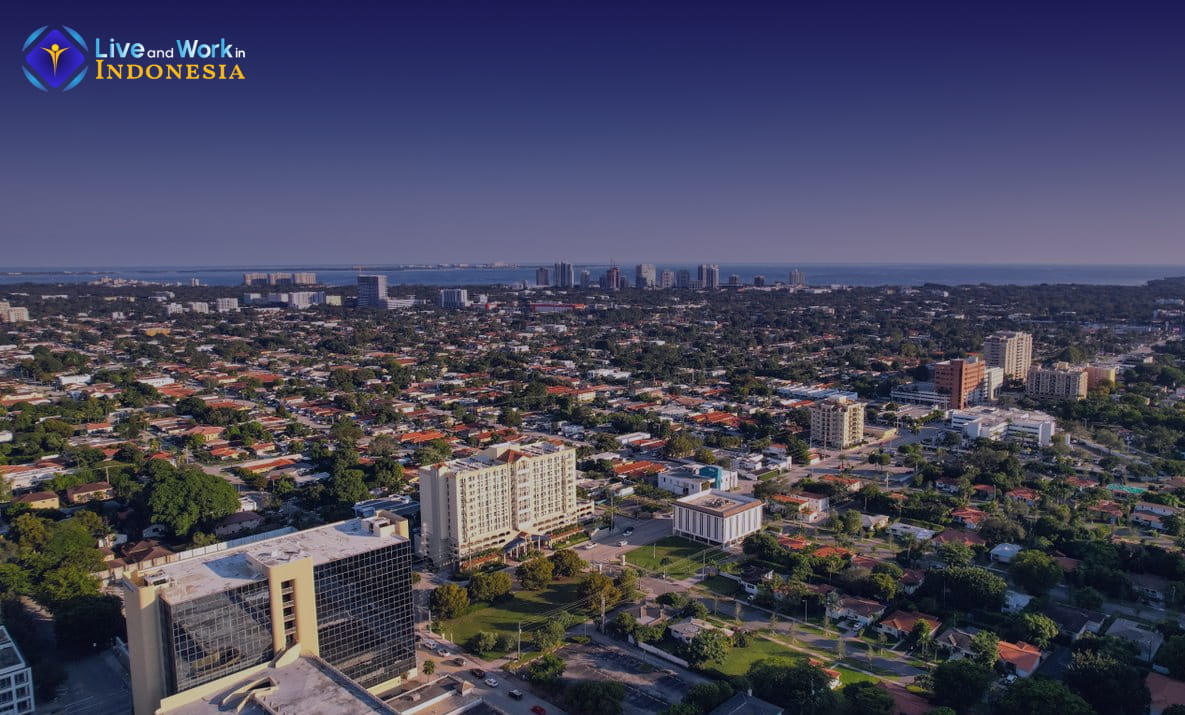
DENPASAR, BALI — A significant geographic reassessment is accelerating within America’s retiring demographic. Driven by climbing domestic consumer price indices, exorbitant healthcare premiums, and the rapid overdevelopment of traditional southern retirement havens, affluent US citizens are looking beyond domestic borders for their post-career sanctuaries. Recent international mobility data reveals that a growing number of wealth holders from states like California, New York, and Texas are bypassing traditional domestic destinations, choosing instead to execute their cross-border relocation using the streamlined Indonesia Retirement Visa for Americans pathway.
Historically, establishing a permanent home across the Indonesian archipelago required navigating complex local commercial setups or undergoing frequent, stressful border runs. The current 2026 immigration ecosystem has completely modernized this transition, providing clear, dedicated residency tracks that separate long-term stay permissions from active local corporate placement.
By utilizing these specialized non-commercial visa streams, American citizens can effortlessly transition their asset base into a premium tropical environment. Coordinating this lifestyle shift is handled smoothly by partnering with an end-to-end global mobility and legal consulting expert like Live and Work Indonesia.
Comparing the Landscape: The Structural Reality of Florida vs. Bali
For decades, Florida stood as the gold standard for American retirement. However, the operational and financial realities of 2026 have prompted senior professionals and retirees to rethink their long-term housing options.
The Financial Compression of the Sunshine State
Retiring comfortably in traditional US hubs now demands immense capital allocation, heavily consumed by surging homeowners’ insurance premiums, high property taxes, and soaring private medical care costs. Finding a quiet coastal environment that remains free from dense commercial crowding has become exceptionally rare and costly. When you combine these factors with a fast-paced commercial atmosphere, preserving long-term peace of mind and personal well-being becomes an expensive daily challenge for seniors.
The Lifestyle Liberation and Well-being of Bali
Conversely, Bali offers an unparalleled alternative for affluent American retirees. Known globally as the Island of the Gods, it delivers a rare combination of accessible luxury real estate, premium international wellness facilities, a vibrant social scene, and a warm, community-driven culture.
Capital that would cover only modest ongoing property maintenance or insurance costs in Florida can be used in Bali to secure an expansive luxury villa in regions like Sanur, Ubud, or Uluwatu—complete with private infinity pools, pristine tropical views, and dedicated full-time domestic support. This major lifestyle upgrade is underpinned by high-speed fiber-optic networks and direct flight connectivity to regional transport hubs, ensuring retirees remain effortlessly connected to their global assets and family networks back home.
The Legal Blueprint: Navigating the Indonesia Retirement Visa for Americans
To legally establish a retirement sanctuary without the administrative burden of running a local business, US nationals have access to two premier, non-commercial residency pathways.
1. The Standard Indonesia Retirement Visa for Americans (Index E33F)
Specifically updated for international seniors, this temporary stay permit allows eligible retirees to reside long-term anywhere in Indonesia without local corporate placement. It grants a secure, multi-entry residency status that updates smoothly, providing complete long-term peace of mind.
- Age Threshold: Under current statutory guidelines, applicants must be 60 years of age or older to qualify for this dedicated retirement stream.
- Proof of Financial Self-Sufficiency: Applicants must demonstrate absolute financial independence by showing a verified pension, social security distribution, or passive investment income flow of at least USD 3,000 per month.
2. The Elite Indonesia Second Home Visa (Index E33)
For younger American wealth holders, independent asset pioneers, and self-sufficient families who want long-term residency stability but do not yet meet the 60+ retirement age threshold, the Indonesia Second Home Visa provides a premium 5-to-10-year residency gateway. This elite program requires applicants to demonstrate clear financial capability through a transparent deposit or luxury property title framework.
Capital Protection and Strategic Legal Compliance
Relocating personal asset streams and moving offshore capital into a new jurisdiction requires strict adherence to international security protocols and regulatory compliance standards.
Protecting Personal Asset Architecture
Managing cross-border financial transactions requires bank-grade data security protocols that fully align with global privacy standards, reflecting the criteria set by the OECD Digital Economy Guidelines.
- Secure Document Tracking: Keeping financial histories, property titles, and bank statements within encrypted, multi-factor authenticated (MFA) cloud networks, protecting personal records from unauthorized access.
- Compliant Tax Alignment: Ensuring all offshore investments, global dividend streams, and monthly retirement payouts are structured precisely to meet local regulatory guidelines.
According to macroeconomic data published in the World Bank’s East Asia Migration and Wealth Monitors, international expats achieve much higher legal security and avoid major processing delays when they bypass unverified local agents and work directly with established corporate secretarial firms.
Flawless Relocation Engineering with Live and Work Indonesia
At Live and Work Indonesia, we eliminate the administrative complexity from your international relocation. Operating as your trusted corporate secretarial, legal advisory, and global mobility partner, our specialist team manages every phase of your migration process. We handle everything from setting up your state bank accounts and processing offshore transfers to working directly with the Directorate General of Immigration to secure your long-term permits.
Beyond processing your visa, our in-house legal experts perform rigorous due diligence on luxury real estate transactions, ensuring your villa purchases or long-term lease agreements strictly satisfy Agrarian Law mandates and regional spatial zoning laws. Whether your goal is to retire quietly near the serene beaches of Sanur, build a cliffside sanctuary in Uluwatu, or position your enterprise under a foreign company in Indonesia (PT PMA), we establish the secure corporate and legal foundation you need to transition with complete confidence.
5 Frequently Asked Questions (FAQ)
1. Can I legally run a local business using the Indonesia Retirement Visa for Americans?
No. This entry pathway is strictly categorized as a non-working residency visa. If your primary goal is to trade within local markets, invoice Indonesian companies, or earn an active local corporate salary, you must formally incorporate a foreign company in Indonesia (PT PMA) to obtain valid commercial visa sponsorship.
2. Can my spouse join me if they do not meet the minimum age requirement?
Yes. While the primary applicant must satisfy the mandatory age criteria for the standard retirement stream, your legal spouse can be included as a dependent regardless of their age. They will be granted a synchronized Dependent Visa, provided you supply an officially legalized or apostilled marriage certificate.
3. What happens to our residency status if the primary visa holder passes away?
Because a dependent visa is directly linked to the primary applicant’s sponsor status, the primary holder’s passing voids the dependent visa. However, Indonesian immigration generally provides a 30-to-60-day grace period, allowing the surviving spouse to either transition onto their own independent retirement visa (if eligible) or convert to an Indonesia Second Home Visa.
4. Are American retirees required to pay local taxes on their global wealth?
Indonesia utilizes a residency-based tax framework. However, specialized residency programs offer favorable tax treatments for foreign-sourced passive income, provided you do not engage in local domestic commerce. Our advisory team provides customized tax mapping to ensure your global portfolio remains properly optimized.
5. How long does the electronic visa application process typically take?
Once all supporting financial records and identity documents are fully verified, the electronic visa (e-Visa) processing through the centralized immigration system generally takes 3 to 4 weeks, followed by standard biometric collection after you arrive in the country.
Secure Your Strategic Base in Southeast Asia’s Rising Paradise
The modernization of Indonesia’s non-commercial visa tracks presents a unique opportunity for American residents to exchange dense urban settings or high-cost states for a healthier, more balanced lifestyle. Securing your multi-year residency early protects your long-term well-being and positions your personal assets perfectly within a rapidly growing lifestyle corridor.
Ready to transition to your island sanctuary? Do not let regulatory questions or paperwork details hold back your relocation plans. Contact the international mobility and corporate compliance specialists at Live and Work Indonesia today to schedule your professional relocation consultation.













