
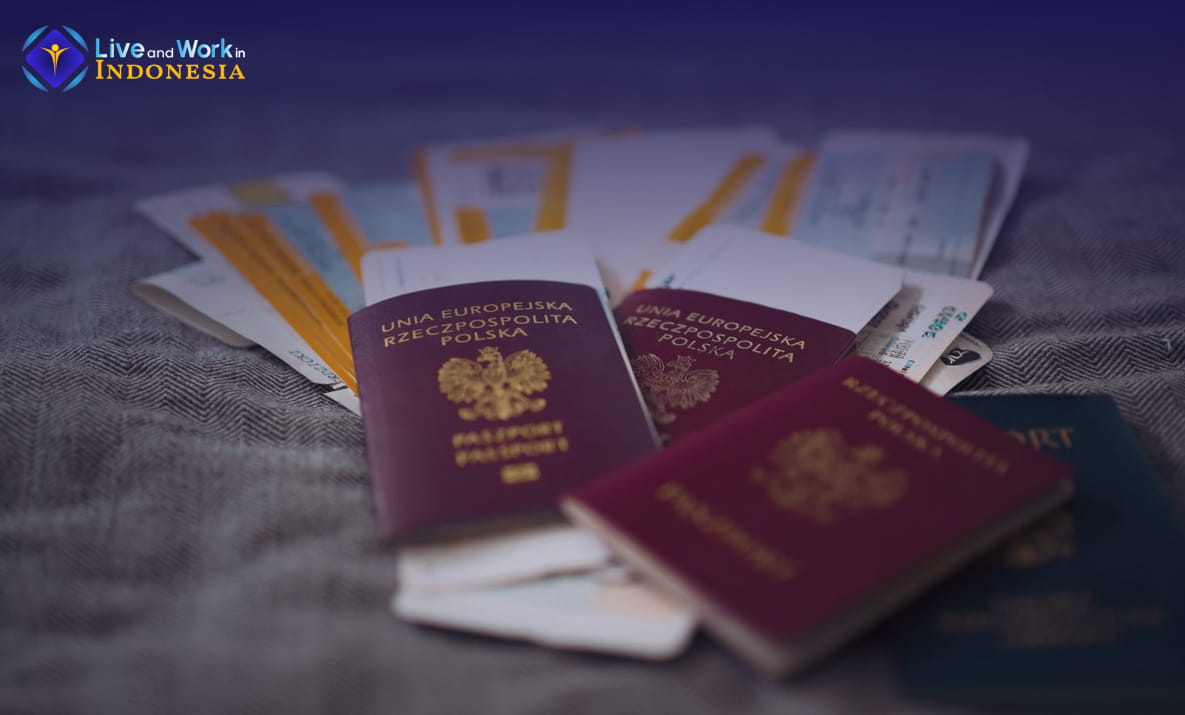
The landscape of global human mobility, cross-border digital migration, and modern wealth diversification has evolved into a highly sophisticated ecosystem. As high-net-worth individuals, remote tech executives, independent global investors, and affluent retirees look to de-risk their geographic footprints, Southeast Asia has emerged as the definitive anchor for long-term lifestyle relocation. At the absolute epicenter of this regional migration is the Indonesian archipelago. Offering unparalleled natural beauty, an affordable cost of living, and an increasingly modernized regulatory framework, executing a long-term residency track within this dynamic country has become a primary milestone for global citizens. To accommodate this demand, the government officially established the Indonesia Second Home Visa, completely transforming the legal infrastructure for expatriates aiming to secure an audit-proof, premium residency track onshore.
Historically, remaining in the country for multiple years required navigating repetitive business permit structures or specialized local corporate configurations. Moving through 2026, the implementation of the specialized Second Home Visa framework completely streamlines the onboarding process, providing eligible foreign nationals with unprecedented structural permanence and domestic stability. However, successfully executing this premium residency application and transitioning your global household requires far more than basic administrative ambition. It demands an analytical understanding of state immigration databases, explicit financial proof thresholds, and strategic property leasing laws. This comprehensive relocation guide provides an exhaustive analysis of the structural mechanics governing the Second Home Visa, maps out the premier residential investment destinations across the country, and delivers a clear regulatory blueprint to ensure a seamless lifestyle transition.
What is the Indonesia Second Home Visa (KITAS)?
To construct a highly secure international lifestyle footprint, an applicant must understand the precise legal characteristics and structural advantages of the country’s immigration classifications.
Definition and Regulatory Scope
The Second Home Visa is a residency permit that allows foreigners to live in Indonesia for 5–10 years, making the country their second home. Operating as a premium stay index, it functions through a streamlined electronic portal designed to bypass the extensive corporate corporate sponsorship requirements historically tied to conventional working visas. This gives global applicants total independence to manage their personal assets, establish long-term households, and build regional networks with complete peace of mind.
Key Features and Strategic Mobility
The regulatory framework provides a highly advanced toolkit for cross-border mobility, elevating it far above traditional tourist entries or short-term business permits:
- Stay Duration: Up to 10 years depending on eligibility. This long-term security allows for stable asset accumulation, localized investment planning, and domestic predictability.
- Residency Rights: Legal long-term stay in Indonesia. It guarantees a fully compliant status recognized by national security, banking, and municipal authorities.
- Multiple Entry: Travel freely in and out of Indonesia. Permit holders can exit and re-enter the country at any time without disrupting their residency standing, which is perfect for managing international property portfolios or regional businesses.
- Lifestyle Benefits: Access to property leasing, healthcare, and community integration. The visa allows for seamless onboarding with local financial networks, long-term residential leases, and private medical systems.
Why Indonesia is the Perfect Second Home
To maximize international wealth allocation and personal well-being, global expats evaluate a combination of fiscal efficiency, logistical accessibility, and cultural depth.
Affordable Living
Compared to many Western and Asian cities, Indonesia offers lower housing, food, and healthcare costs. This premium purchasing power differential allows international residents to enjoy a highly sophisticated lifestyle, premium domestic services, and luxury accommodation frameworks at a fraction of the cost found in mature markets, preserving their global capital.
Natural Beauty
From Bali’s beaches to Lombok’s mountains, Indonesia is rich in natural wonders. The nation’s vast, geographically diverse topography features world-class diving marine parks, pristine tropical coastlines, volcanic landscapes, and lush rainforest ecosystems, providing an unmatched outdoor playground for active residents.
Vibrant Communities
Strong expat communities in Bali, Lombok, and Jakarta provide support and networking opportunities. These highly integrated, cross-border professional hubs facilitate fast peer-to-peer onboarding, collaborative digital business exchanges, international schooling connections, and specialized social networks for incoming families.
Cultural Richness
Indonesia’s diverse traditions, festivals, and cuisines make it a culturally rewarding place to live. Home to hundreds of unique ethnic groups living under the national motto of Unity in Diversity (Bhinneka Tunggal Ika), the archipelago provides a profound and enriching social experience for open-minded international citizens.
Step-by-Step Guide to Applying for the Second Home Visa
The processing and legal activation of a long-term residency track follow a strict regulatory pathway managed through centralized immigration channels.
Step 1 – Eligibility Check
Ensure you meet the requirements, including proof of financial stability and valid health insurance. The state enforces explicit capital substance criteria to guarantee that incoming residents are fully self-sufficient and capable of supporting their domestic lifestyle on the ground.
Step 2 – Document Preparation
Prepare passport copies, proof of funds, health insurance, and accommodation details. Financial validation requires the submission of bank statements showing an explicit minimum funds threshold or equivalent property asset verification held inside Indonesian state-owned banks post-arrival to secure the long-term visa.
Step 3 – Application Submission
Submit documents through Indonesia’s immigration portal or via a licensed visa agent. Utilizing an authorized local corporate partner ensures that all identification data, financial certificates, and personal declarations are accurately formatted, preventing unexpected processing flags or delays inside the Directorate General of Immigration national database.
Step 4 – Approval & Issuance
Receive your KITAS card and electronic permit, valid for 5–10 years. Once issued, your biometric records are synchronized across all national borders, allowing you to establish your household with total peace of mind.
Where to Find Your New Home in Indonesia
Selecting an onshore geographic base requires analyzing your desired lifestyle, local infrastructure quality, and regional connectivity hubs.
Bali
Known for its beaches, yoga retreats, and expat-friendly communities. As the international crown jewel of the archipelago, regions like Changgu, Ubud, Uluwatu, and Sanur offer a highly advanced hospitality ecosystem, premium international schools, co-working networks, and extensive wellness infrastructures suited for remote executives and affluent families.
Lombok
Quieter than Bali, with pristine landscapes and growing expat hubs. Offering a more relaxed pace of life, regions like Kuta Lombok feature dramatic coastal cliff views, world-class surfing, and premium eco-luxury development opportunities, making it an exceptional option for long-term builders seeking natural isolation.
Jakarta
Urban living with access to international schools, healthcare, and business opportunities. As the beating economic and financial capital of the nation, the metropolitan core delivers unparalleled access to five-star residential towers, premium shopping networks, international embassies, and advanced medical infrastructure.
Yogyakarta
Cultural capital with affordable living and rich traditions. Located in the historic heart of Java, this unique city provides an incredibly peaceful domestic environment, characterized by classical arts, historic royal palaces, highly competitive local real estate markets, and deep cultural immersion.
Q&A Section
Who can apply for the Second Home Visa?
Foreign nationals with proof of financial stability and valid health insurance can safely initiate the application. This includes international remote executives, global investors, digital nomads, and self-sufficient retirees.
How long does the visa process take?
The full processing pipeline typically takes 4–6 weeks, depending on documentation, financial verification speeds, and state approvals.
Can families join under the Second Home Visa?
Yes. Sponsoring dependents is fully supported under this framework, allowing spouses, children, and immediate family members to be smoothly included in the core application.
Can foreigners buy property in Indonesia?
Foreigners cannot directly own land titles (Hak Milik) but can lease property long-term or invest through legal corporate structures. The state provides distinct legal frameworks like Hak Pakai (Right to Use) or Hak Sewa (Right to Lease) that grant highly secure, multi-decade residential real estate paths for international residents.
Why choose Indonesia over other regional countries?
Lower costs, cultural richness, and diverse landscapes make Indonesia a top choice for relocation. Additionally, its progressive long-term visa tracks provide a level of structural independence and regulatory security that is increasingly rare in other global expat hubs.
Why Choose Live and Work Indonesia as Your Partner?
At Live and Work Indonesia, we simplify the complex process of company registration and residency permits. Navigating the centralized immigration databases and localized property laws requires absolute precision. Our services include:
- Visa Assistance: Smooth processing of Second Home Visas and KITAS permits through our specialized Visa & KITAS Services framework.
- Legal & Compliance Expertise: Ensuring enforceable contracts and risk-free relocation across your family’s asset portfolio via our dedicated Legal & Compliance Framework page.
- Property & Lifestyle Guidance: Helping you find housing and community connections safely, while mitigating transaction risks.
- End-to-End Support: Complete administrative handling from Company Registration Services to tax advisory and manpower supply. Explore emerging regional insights through our Indonesia Investment Opportunities portal.
Ready to Make Indonesia Your Second Home?
Don’t let complex cross-border regulations, financial validation rules, or shifting immigration networks delay your relocation journey. Partner with Live and Work Indonesia today. We’ll help you secure your Second Home Visa, connect with local communities, and achieve your investment and lifestyle goals in Indonesia.













