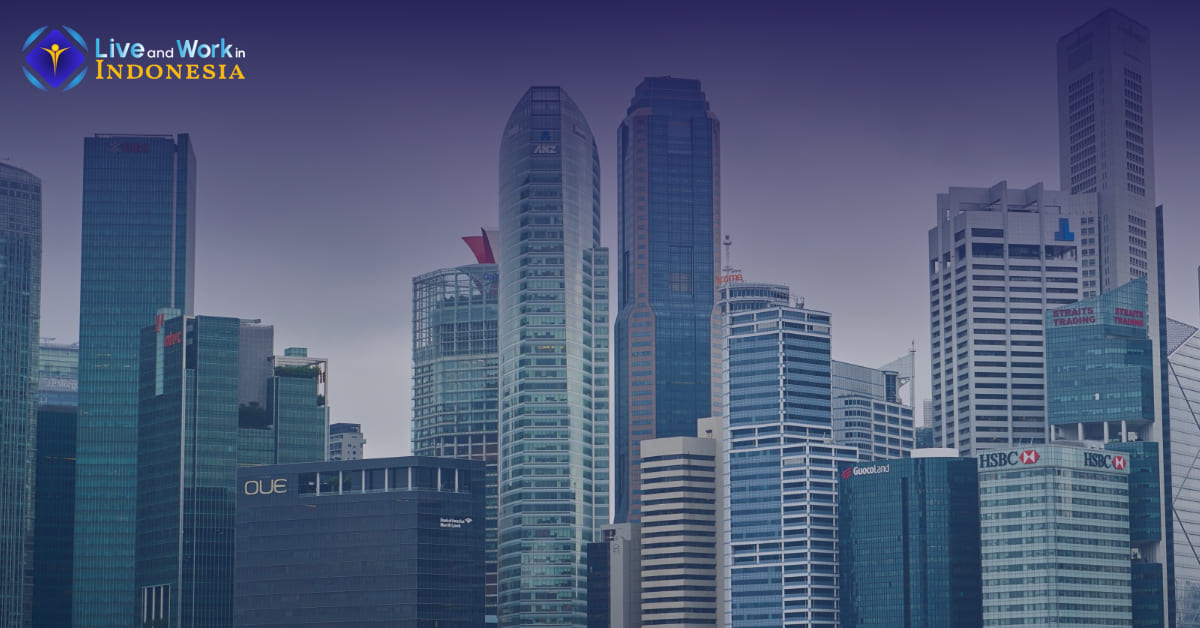
Expanding your professional footprint in Southeast Asia requires more than just a solid business plan; it requires a deep understanding of the social fabric that binds the economy together. In the archipelago, success is often dictated by who you know as much as what you know. As we move through 2026, the landscape of Indonesia business networking has evolved into a sophisticated blend of traditional Javanese etiquette and cutting-edge digital connectivity.
For expatriates, mastering the art of building relationships or Silaturahmi is the ultimate “soft skill” that yields hard results. Whether you are a tech founder in Bali or a corporate executive in Jakarta, these strategies will help you navigate the nuances of the Indonesian professional world with grace and effectiveness.
1. The Philosophy of Relationship-First Business
In many Western cultures, networking is transactional. In Indonesia, it is foundational. Before a contract is signed or a partnership is formed, there must be a baseline of trust and mutual respect.
Understanding “Silaturahmi”
At the heart of Indonesia business networking is the concept of Silaturahmi, which translates to maintaining good relations. It is the practice of visiting, chatting, and checking in on your connections without an immediate “ask.” In 2026, this remains the most powerful tool in an expat’s arsenal. If you only reach out to your Indonesian counterparts when you need something, you have already lost the game.
The Power of Social Dining
Business in Indonesia is rarely concluded in a boardroom; it is nurtured over a meal. Whether it is a formal dinner at a high-end restaurant in Senopati or an informal lunch at a local Padang eatery, breaking bread is where the real barriers come down. Use these moments to discuss family, hobbies, and personal history before pivoting to business.
2. Navigating Cultural Etiquette and Protocol
Indonesian business culture is hierarchical and deeply rooted in politeness (Sopan Santun). Misstepping here can lead to a “loss of face,” which can be difficult to recover from.
Respecting Hierarchy
Always acknowledge the most senior person in the room first. In 2026, titles still carry significant weight. Use “Bapak” (Mr.) or “Ibu” (Ms./Mrs.) followed by their name unless explicitly invited to do otherwise. This simple show of respect sets the tone for a productive relationship.
The Art of the Handshake and Business Cards
While digital vCards are popular in 2026, the physical exchange of business cards remains a vital ritual. Receive and give cards with both hands (or the right hand, never the left). Take a moment to read the card before placing it carefully in a case never tuck it into your back pocket. This signals that you value the individual’s identity and position.
3. Digital Networking in the 2026 Landscape
While tradition is king, Indonesia is one of the most digitally active nations on earth. Your Indonesia business networking strategy must bridge the gap between a physical handshake and a digital follow-up.
WhatsApp: The Unofficial Office
In Indonesia, WhatsApp is the primary medium for business communication. It is common to receive business inquiries via text rather than email. To network effectively, maintain a professional profile picture and be prepared for a more casual, rapid-fire style of communication. However, always wait for the local counterpart to initiate the transition from formal email to WhatsApp.
LinkedIn and Beyond
LinkedIn is the professional gold standard for the Indonesian middle class and executive tier. In 2026, the platform is used extensively for thought leadership. Engaging with the posts of local industry leaders and sharing insights about the Indonesian market will increase your visibility within the “Jakarta Circle” and the broader Southeast Asian business community.
4. Strategic Networking Hubs: Where to Be Seen
Where you network is just as important as how you network. In 2026, the hubs for Indonesia business networking have diversified beyond the capital.
- Jakarta (The Financial Core): The high-end lounges of the SCBD (Sudirman Central Business District) and the various Chambers of Commerce (AmCham, BritCham, EuroCham) remain the premier venues for corporate networking.
- Bali (The Innovation Frontier): For those in tech, wellness, or creative industries, the coworking spaces of Canggu and Uluwatu host weekly “Pitch Nights” and “Founder Mixers” that attract a global caliber of talent.
- The Nusantara (IKN) Corridor: As the new capital develops, networking events in East Kalimantan are becoming a hotspot for those in infrastructure, green energy, and government relations.
To stay updated on the latest networking events and legal requirements for foreign business owners, resources like the provide a calendar of investment forums that are essential for serious expats.
5. Building Long-Term Trust through Compliance
In the Indonesian context, being a “good partner” means being a “compliant partner.” Foreigners who operate within the legal lines are viewed with much higher levels of trust by local associates.
Transparency is Key
When networking with potential local partners or distributors, demonstrate that your venture is built on a solid foundation. Mentioning that your PT PMA is fully registered and that you are an Indonesia Tax Residency compliant individual signals that you are here for the long term. This transparency removes the “fly-by-night” stigma that some expats unfortunately carry.
Consulting with experts at can help you ensure that your legal and administrative standing is impeccable, making you a much more attractive partner for local business elites.
5 Frequently Asked Questions (FAQ)
1. Is it okay to talk about politics or religion during networking?
Generally, it is best to avoid these topics. While Indonesians are very open and friendly, politics and religion are deeply personal and can be polarizing. Stick to topics like travel, food, sports (especially football and badminton), and family.
2. How important is “punctuality” in Indonesian networking?
There is a concept called Jam Karet (Rubber Time). While you, as an expat, should always aim to be on time (especially in Jakarta’s traffic), do not be offended if your local counterpart arrives 15–30 minutes late. Patience is a highly valued trait in Indonesia business networking.
3. Should I bring a gift to a first business meeting?
It is not required for a first meeting in an office. However, if you are invited to a home or a private dinner, a small gift from your home country (that is non-alcoholic, unless you are sure they drink) is a very thoughtful gesture that builds significant rapport.
4. How do I follow up after a networking event?
Send a brief, polite WhatsApp message or LinkedIn note within 24 hours. Reference a specific topic you discussed to show you were listening. Avoid a hard sales pitch in the first follow-up.
5. Can I network effectively if I don’t speak Bahasa Indonesia?
In the high-level business circles of Jakarta and Bali, English is widely spoken. However, learning even 10–20 basic phrases in Bahasa Indonesia shows a level of respect and effort that can open doors that English alone cannot.
Conclusion: The Long Game of Connection
Mastering Indonesia business networking is a marathon, not a sprint. In 2026, the expats who succeed are those who invest time in people before they invest money in projects. By respecting local hierarchy, embracing the digital shift, and maintaining impeccable legal compliance, you position yourself as a trusted pillar within the Indonesian business community.
The archipelago rewards those who come with an open mind and a heart for connection. Start building your bridge today; the opportunities on the other side are limitless.
Ready to expand your professional network and secure your business future? Contact Live and Work Indonesia today!