The archipelago of Indonesia, with its 17,000 islands and a population exceeding 280 million, presents one of the most complex yet rewarding challenges for global supply chain operators. As we move through 2026, the Logistics and Transportation sector has emerged as the backbone of the nation’s “Golden Indonesia 2045” vision. For foreign investors, the message is clear: the integration of Southeast Asia’s largest economy into the global value chain is accelerating, and the barriers to entry have never been more navigable.
Driven by massive infrastructure projects, the relocation of the national capital to Nusantara (IKN), and a booming e-commerce market, the demand for sophisticated third-party logistics (3PL), cold chain solutions, and last-mile delivery services is at an all-time high. This guide explores the strategic landscape for foreign companies looking to capitalize on Indonesia’s logistical revolution.
1. The Strategic Shift: Infrastructure and Connectivity in 2026
Indonesia’s logistics costs have historically been among the highest in ASEAN, often accounting for nearly 24% of the GDP. However, by 2026, consistent government investment in the National Logistics Ecosystem (NLE) has begun to yield significant dividends.
Port Modernization and Sea Toll Roads
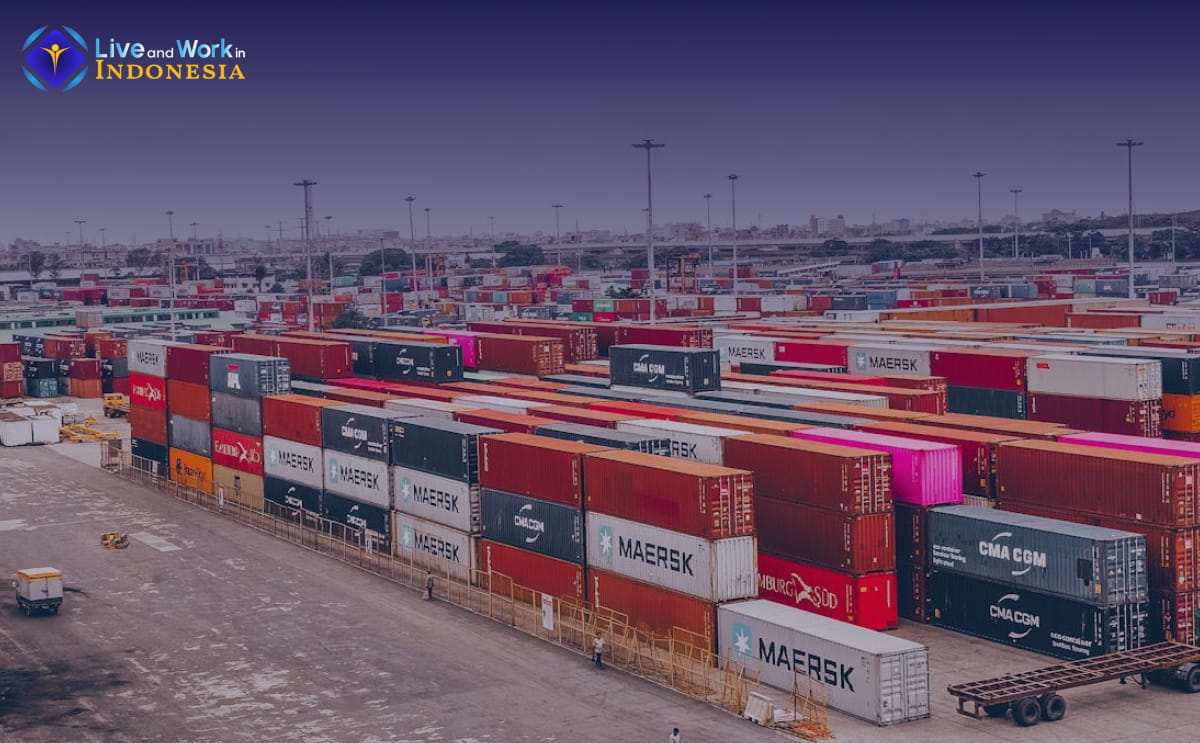
The “Sea Toll Road” (Tol Laut) project has matured, connecting major hubs like Tanjung Priok in Jakarta and Tanjung Perak in Surabaya with emerging ports in Eastern Indonesia. For foreign businesses, this means reduced lead times and more predictable scheduling for inter-island distribution. Modernized container terminals now utilize AI-driven slot management, making the maritime Logistics and Transportation network more efficient than ever before.
The Trans-Java and Trans-Sumatra Toll Road Networks
The completion of major sections of the Trans-Sumatra toll road has revolutionized overland trucking. What used to be a multi-day journey through challenging terrain is now an efficient corridor for moving agricultural and manufactured goods. Foreign fleet operators are increasingly entering the market, bringing telematics and fuel-efficient technologies that are setting new industry standards.
2. Market Drivers: Why Invest in 2026?
Several macroeconomic factors make 2026 the optimal “entry year” for foreign capital in the Indonesian logistics space.
The Nusantara (IKN) Effect
The development of the new capital city in East Kalimantan has created a massive logistical vacuum. Everything from construction materials to consumer goods must be transported to this new urban center. Foreign firms specializing in heavy-lift transport and sustainable urban logistics are finding unprecedented opportunities in the IKN supply corridor.
E-commerce and Last-Mile Innovation
Indonesia remains the largest e-commerce market in the region. Consumers in tier-2 and tier-3 cities now expect the same delivery speeds as those in Jakarta. This has led to a surge in demand for decentralized warehousing and “micro-fulfillment” centers. For a deeper look at the consumer trends driving this demand, refer to the latest World Bank Indonesia Economic Prospects report.
Cold Chain Growth
With a growing middle class and a rising demand for fresh produce and pharmaceuticals, the cold chain sector is significantly underserved. Foreign expertise in temperature-controlled warehousing and refrigerated transport is highly sought after to reduce food waste and improve supply chain integrity.
3. Legal Framework: 100% Foreign Ownership
One of the most significant changes for foreign investors is the liberalization of ownership limits. Under the current “Positive Investment List,” many sub-sectors within Logistics and Transportation now allow for 100% foreign ownership through a PT PMA (Perseroan Terbatas Penanaman Modal Asing).
Sub-sectors Open to Foreign Investment:
- Warehousing and Storage: International firms can now own and operate large-scale distribution centers without a local partner.
- Freight Forwarding: Digital-first freight forwarders can establish full-scale operations to manage cross-border trade.
- Courier and Last-Mile Services: While competitive, this sector welcomes foreign companies that bring automation and green delivery solutions (EV fleets).
- Cold Storage: Given its critical nature, the government provides various fiscal incentives for investments in cold chain infrastructure in remote regions.
For a comprehensive breakdown of the registration process for these entities, you can explore the Register Company in Indonesia guide tailored for 2026.
4. Challenges and Navigating the Local Landscape
Despite the opportunities, Indonesia remains a high-context market. Success requires more than just capital; it requires a sophisticated local strategy.
Geography and Fragmentation
The “archipelago challenge” means that a one-size-fits-all approach does not work. A strategy for Java will fail in Papua or Sulawesi. Successful foreign firms typically adopt a “hub-and-spoke” model, utilizing major cities as primary distribution points while partnering with specialized local feeders for the “final mile.”
Regulatory Compliance and OSS-RBA
All logistics activities are managed through the OSS-RBA (Online Single Submission Risk-Based Approach). Logistics is often categorized as “Medium-High” to “High” risk, meaning that in addition to a Business Identification Number (NIB), you may require specific standard certifications or technical licenses from the Ministry of Transportation.
Partnering with a consultancy like Live and Work Indonesia ensures that your licensing, KBLI classification, and environmental impact assessments (AMDAL) are handled with professional precision.
5. The Future of Green Logistics in Indonesia
By 2026, sustainability is no longer a “nice to have” it is a regulatory and commercial requirement. The Indonesian government is aggressively promoting the transition to Electric Vehicles (EVs) for urban delivery.
Foreign companies that integrate “Green Logistics” into their entry strategy utilizing solar-powered warehouses or EV delivery bikes will find themselves at an advantage when bidding for contracts with multinational corporations (MNCs) operating in Indonesia. These MNCs are under global pressure to reduce their Scope 3 emissions, making sustainable logistics partners their first choice.
5 Frequently Asked Questions (FAQ)
1. Can a foreign company own a trucking fleet in Indonesia?
Yes, under the PT PMA structure, foreign investors can own and operate transportation and trucking companies. However, you must meet the minimum paid-up capital requirement of IDR 2.5 billion and comply with specific safety and vehicle standards.
2. What is the most profitable logistics sub-sector right now?
In 2026, Cold Chain Logistics and E-commerce Last-Mile Delivery in tier-2 cities are showing the highest growth rates and ROI for foreign investors due to high demand and relatively low competition in specialized segments.
3. Do I need a local partner to start a freight forwarding business?
In most cases, no. Under current regulations, freight forwarding is open to 100% foreign ownership. However, a local advisor is recommended to navigate the specific customs and port authority regulations.
4. How does the relocation to IKN affect the logistics sector?
IKN (Nusantara) has shifted the logistical center of gravity toward East Kalimantan. This has created a massive demand for new shipping routes, port facilities, and air cargo services connecting Java and Sulawesi to Kalimantan.
5. What are the tax incentives for logistics companies?
Companies investing in “pioneer” sectors or in Special Economic Zones (SEZs) may be eligible for tax holidays or tax allowances. Additionally, investments in green technology and infrastructure in Eastern Indonesia often qualify for accelerated depreciation and other fiscal benefits.
Conclusion: Driving the Future of ASEAN Trade
The Logistics and Transportation sector in Indonesia is undergoing a generational shift. The combination of modernized infrastructure, digital-first government systems, and a booming domestic market has created a “perfect storm” for foreign investment.
Success in this market requires a balance of global expertise and local compliance. By establishing a robust legal entity and aligning with the nation’s infrastructure goals, your business can become a vital link in the supply chain of the world’s next economic giant.
Ready to navigate the Indonesian logistics market? Contact Live and Work Indonesia today