
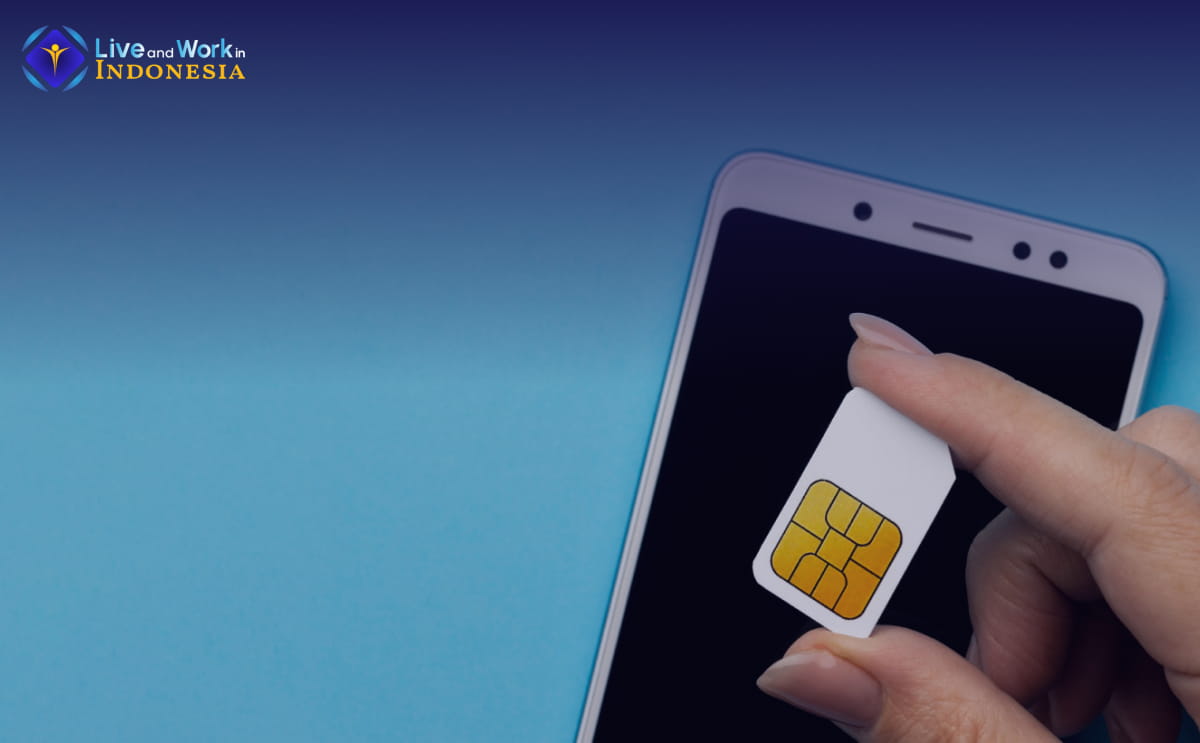
Staying connected is no longer a luxury; for the modern professional, it is a critical business utility. As Indonesia continues to position itself as a global hub for digital nomads, remote workers, and multinational corporations, the telecommunications landscape has evolved rapidly. In 2026, the arrival of widespread 5G-Advanced networks and more stringent registration laws means that finding the Expat SIM Card that fits your specific needs requires more than just a quick stop at a roadside kiosk.
Whether you are here to Live and Work Indonesia long-term or are conducting a short-term market entry study, your internet connectivity is your lifeline to global markets, local logistics, and essential government apps. This guide provides a deep dive into the best mobile and home internet options available for expatriates in 2026.
The Connectivity Landscape in Indonesia 2026
Indonesia’s digital infrastructure has undergone a massive transformation. The Ministry of Communication and Informatics (Kominfo) has successfully pushed for 95% 5G coverage in major urban centers like Jakarta, Surabaya, Bali, and the new capital, IKN (Ibu Kota Nusantara). For an expat, this means lightning-fast speeds, but it also comes with increased regulatory oversight regarding SIM card registration.
Why You Need a Dedicated Expat SIM Card
While you could technically use international roaming, the costs are prohibitive and the latency is often too high for professional video conferencing or real-time trading. A local Expat SIM Card provides:
- Local Data Rates: Significantly cheaper than roaming.
- Access to Local Apps: Essential services like Gojek, Grab, and Mobile Banking require a local number for OTP (One-Time Password) verification.
- Priority Network Access: Local SIMs receive better bandwidth allocation on crowded towers.
Top Mobile Operators for Expats in 2026
Choosing the right provider depends heavily on your primary location. While the “Big Three” dominate the market, their performance varies by region.
1. Telkomsel: The Gold Standard for Coverage
Telkomsel remains the most reliable choice for those who travel across the archipelago. In 2026, their “Orbit” and “Halo” brands offer specialized packages for foreigners.
- Best for: Professionals traveling to remote project sites or moving between islands.
- 5G Performance: Industry-leading 5G-Advanced speeds in Jakarta and Bali.
- Expat Feature: Dedicated English-language support in their MyTelkomsel app.
2. XL Axiata: The High-Speed Challenger
XL has positioned itself as the go-to for the tech-savvy expat. Their collaboration with international fiber providers has made their 5G-to-Home solutions incredibly robust.
- Best for: Digital nomads in Canggu, Uluwatu, and Jakarta’s SCBD.
- Bundling: Offers excellent bundles that combine mobile data with home fiber (XL Satu).
3. Indosat Ooredoo Hutchison (IOH): Value and Versatility
Following their major merger, IOH provides vast network capacity and some of the most aggressive data pricing in the market.
- Best for: Budget-conscious expats and those who consume high volumes of streaming media.
- Roaming: Often includes “ASEAN Roaming” packages at no extra cost, perfect for those frequenting Singapore or Bangkok.
Understanding IMEI Registration: The “Must-Know” for 2026
One of the biggest hurdles for anyone looking to Live and Work Indonesia is the IMEI (International Mobile Equipment Identity) registration law. If you bring a phone from overseas, it will be blocked by local networks after 90 days unless you register it.
How to Register Your Device
- Declare at Customs: Upon arrival at the airport, declare your phone at the Bea Cukai (Customs) desk.
- Tax Obligations: If your phone’s value exceeds $500 USD, you must pay import taxes.
- The “Expat Loophole”: Some Expat SIM Card packages allow for a 90-day “Tourist IMEI” registration that can be renewed at local provider branches without paying the full import tax, provided you have a valid KITAS or long-term visa.
For the most up-to-date tax brackets and official forms, visit the Official Indonesian Customs (Bea Cukai) Website.
Home Internet: Fiber vs. Starlink in Indonesia
For those setting up a home office to Live and Work Indonesia, mobile data is rarely enough. In 2026, you have two primary high-speed options.
Fiber Optic (Fixed Broadband)
Companies like Biznet, IndiHome, and MyRepublic offer speeds up to 1Gbps.
- Pros: Extremely stable, low latency for gaming and Zoom.
- Cons: Installation can be tricky in older villas or remote areas.
Starlink: The Game Changer for Remote Bali & Beyond
Starlink has officially expanded across Indonesia. For expats living in the hills of Ubud or the cliffs of Sumba, this is the ultimate solution.
- Pros: High-speed internet anywhere with a clear view of the sky.
- Cons: Higher monthly subscription cost compared to local fiber.
To understand the global impact of satellite internet on emerging markets, you can read more at the International Telecommunication Union (ITU).
Strategic Advice for Business Connectivity
If you are a business owner or a tech lead relocating a team, connectivity is a legal and operational matter.
- Corporate VPNs: Ensure your team’s VPNs are compatible with Indonesian ISP protocols, which sometimes use deep packet inspection.
- Redundancy: Always have a secondary ISP (e.g., Telkomsel Orbit as a backup to Biznet Fiber).
- Legal Compliance: Ensure your company-provided SIM cards are registered under the company’s NIB (Business Identification Number) to maintain professional compliance.
At Live and Work Indonesia, we assist companies in setting up their technological infrastructure, ensuring that your transition to the Indonesian market is not hindered by poor connectivity or regulatory roadblocks.
Frequently Asked Questions (FAQ)
1. Can I buy an Expat SIM Card at the airport?
Yes, all major international airports (CGK, DPS) have official booths for Telkomsel and XL. It is highly recommended to buy here, as they are experienced in registering foreign passports and handling IMEI declarations.
2. How much does a high-end data plan cost in 2026?
For approximately $20–$30 USD per month, you can get a premium 5G plan with 100GB+ of data and unlimited local calls.
3. What documents do I need to get a SIM card?
You will need your original Passport. If you are staying long-term, having your KITAS (Stay Permit) will allow you to access post-paid plans, which offer better stability and features.
4. Is public Wi-Fi safe in Indonesia?
While common in malls and cafes, public Wi-Fi is often unsecured. For business tasks, we always recommend using your personal 5G hotspot or a reputable VPN.
5. What is the “Tourist SIM” vs. a regular SIM?
A Tourist SIM is pre-registered for 30–90 days and often has restricted renewal options. A regular SIM registered with a KITAS is a permanent number that you can keep for years.
Stay Connected, Stay Competitive
The digital economy moves fast, and Indonesia is moving even faster. Getting the right Expat SIM Card and internet setup is the foundation of your success. Whether you’re negotiating a deal in a Jakarta boardroom or coding from a villa in Bali, your connection is what bridges your local presence with your global ambitions.
If you are planning to relocate your business or family, let the experts handle the complexity. At Live and Work Indonesia, we provide comprehensive consulting on legalities, technology setup, and recruitment to ensure you hit the ground running.
Ready to relocate? Contact Live and Work Indonesia for a Consultation













