
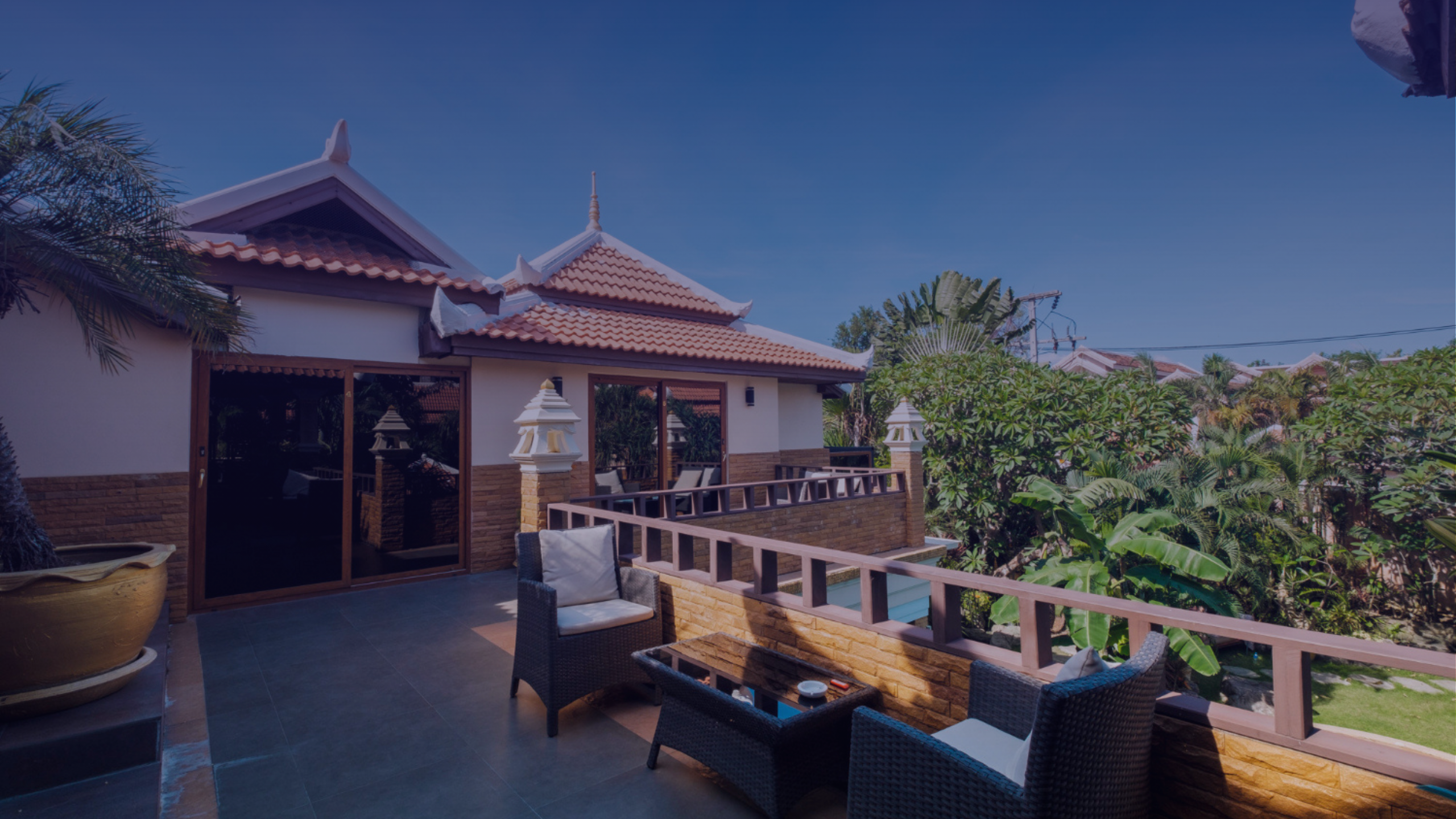
Bali has evolved far beyond its origins as a backpacker’s paradise. As we move through 2026, the island has transformed into a sophisticated global hub for remote work and luxury living. With the “Emerald of the Equator” attracting a surge of high-net-worth individuals and professional nomads, the demand for high-quality housing is at an all-time high. However, for those looking into Renting Villa Bali, the market can be as complex as it is beautiful.
Navigating the local rental landscape requires more than just scrolling through social media listings. From understanding the nuances of “Leasehold” vs. “Yearly Rental” to ensuring your villa has the infrastructure to support a 24/7 digital lifestyle, there is a steep learning curve. This guide provides a deep dive into the 2026 rental market, offering the strategic insights you need to find a home that aligns with your professional needs and personal dreams.
The 2026 Bali Rental Landscape: What’s New?
In 2026, Bali’s rental market is defined by a shift toward “Long-Term Nomadicism.” The Indonesian government’s refinement of the E33G Remote Worker Visa (often called the Digital Nomad Visa) has encouraged expats to stay for years rather than months. This has led to a significant tightening of the supply of high-end villas in prime areas.
The Rise of Smart Villas
Connectivity is no longer a luxury; it is a utility. Most villas targeting the expat market in 2026 now feature fiber-optic redundancy and integrated smart-home systems. When Renting Villa Bali, digital nomads are now prioritizing “Work-from-Home” (WFH) ergonomics dedicated office spaces with AC and soundproofing are becoming the standard.
Sustainability and Eco-Living
The “Green School” effect has permeated the rental market. Expats are increasingly seeking villas built with recycled materials, solar power integration, and advanced water filtration systems. Sustainable living is not just a trend in Bali; it is a lifestyle requirement that impacts property value and rental rates.
Choosing the Right Neighborhood: Beyond the Tourist Zones
Bali’s geography is diverse, and each area offers a distinct “vibe” and infrastructure. For those Renting Villa Bali, location dictates your daily productivity and social life.
1. Canggu and Pererenan: The Digital Epicenter
Despite the traffic, Canggu remains the heartbeat of the nomad scene. However, in 2026, the savvy crowd moved slightly north to Pererenan and Seseh. These areas offer a quieter alternative while remaining within a 10-minute reach of world-class coworking spaces and cafes.
2. Uluwatu and Bingin: The Luxury Frontier
Uluwatu has transitioned into Bali’s “Hamptons.” It is the preferred choice for expats who prioritize surfing and high-end aesthetics. The rentals here are often cliff-side or perched on the Bukit, offering breathtaking views but requiring a higher budget for transport and utilities.
3. Ubud: The Wellness and Tech Hub
Ubud continues to attract those in the creative and wellness industries. Interestingly, it has also become a secondary hub for “Green Tech” founders. Renting here offers a cooler climate and a more spiritually grounded community, though humidity management for your electronics is a key consideration.
Understanding Rental Structures: Monthly, Yearly, and Leasehold
In Indonesia, the concept of “renting” is multifaceted. For expats, there are three primary ways to secure a villa.
Monthly Rentals (The “Tester” Phase)
Ideal for those new to the island. Monthly rentals are usually inclusive of everything: electricity, Wi-Fi, cleaning, and pool maintenance.
- Pro: Maximum flexibility.
- Con: Most expensive per night; no long-term security.
Yearly Rentals (The Expat Standard)
This is the most common choice for those with a KITAS or Remote Worker Visa. You pay for the year upfront, which significantly lowers the monthly rate.
- Pro: Better value; ability to personalize the space.
- Con: Large upfront capital; you are usually responsible for electricity, high-speed internet upgrades, and minor repairs.
Long-Term Leasehold (The “Homeowner” Alternative)
Some expats choose to “rent” land or a villa for 10 to 25 years. While legally a lease, it feels like ownership. This is a strategic move if you plan to Live and Work Indonesia for the long haul. You can find more about the legalities of long-term stays via the Indonesian Directorate General of Immigration.
The Essential Checklist for Digital Nomads
When you are Renting Villa Bali, the “Instagrammable” pool shouldn’t distract you from the technical essentials. Here is what every digital nomad must verify before signing a contract:
1. Internet Infrastructure
Do not take the landlord’s word for “High Speed.” Perform a speed test during peak hours (usually 7 PM to 9 PM). Check if the villa is serviced by reliable providers like GlobalXtreme or Biznet. In 2026, many professionals are also installing Starlink as a backup.
2. Electricity (PLN) Capacity
Villas with multiple AC units and high-end computers require significant power. Check the PLN meter. If the power frequently trips, the “VA” (Volt-Ampere) capacity may be too low for your needs.
3. Noise Pollution
Bali is a developing island. A quiet rice-field view can turn into a construction site overnight. Check for “IMB” (Building Permits) in the immediate vicinity. Also, listen for proximity to roosters, temples (ceremonies can be loud), or beach clubs.
4. Water Quality
Ensure the villa has a proper filtration system. “Bali Belly” can often come from contaminated tap water used for brushing teeth. Deep-well systems are generally better than local “PDAM” (government water) in many coastal areas.
For a broader perspective on the cost of living and economic stability in the region, refer to the World Bank Indonesia Economic Prospects.
Legal and Safety Considerations
The legalities of Renting Villa Bali are governed by Indonesian Civil Law, but local “Banjar” (community) rules also play a significant role.
- Rental Agreements: Never rely on a verbal deal. Ensure you have a written contract in both Indonesian and English. For yearly rentals, the contract should be notarized.
- Security Deposit: It is standard to pay a one-month deposit. Ensure the conditions for its return are clearly documented standard “wear and tear” should not be deducted.
- The Banjar Fee: Most villa rentals require a small monthly fee paid to the local community for security and trash collection. Clarify if this is included in your rent.
Safety is also paramount. In 2026, ensure your villa has working smoke detectors (rare in older Bali villas) and secure locks on all sliding doors. While Bali is generally safe, “petty theft” can occur in high-traffic tourist areas.
How to Negotiate Like a Local
In Bali, the listed price is almost always the “starting price.” Negotiation is expected, especially for long-term stays.
- Offer Upfront Payment: If you can pay for 2 years in advance, you can often negotiate a 20-30% discount.
- The “Low Season” Advantage: If your rental starts in January or February, you have more leverage than during the July/August peak.
- Bundle Utilities: For monthly rentals, try to include laundry or drinking water delivery in the price.
Why Professional Assistance Matters
The “Wild West” days of Bali rentals are fading, replaced by a more regulated environment. For many expats, the risk of “Villa Scams” where a person poses as an owner but is actually just a short-term sub-leaser is real.
At Live and Work Indonesia, we specialize in the “soft landing.” We don’t just help you find a villa; we ensure your transition is legally sound. Our team can:
- Verify Ownership: Ensuring the person you are paying actually has the right to lease the property.
- Review Contracts: Protecting your interests regarding maintenance and deposit returns.
- Visa Coordination: Ensuring your housing status aligns with your residency permit (KITAS/E-Visa).
For international labor and residency standards, the International Labour Organization (ILO) Indonesia provides resources on the rights of foreign workers, which often intersect with housing security.
Frequently Asked Questions (FAQ)
1. Do I need a KITAS to rent a villa for a year?
No, you can rent a villa on a visitor visa. However, having a KITAS (Limited Stay Permit) makes the process smoother, especially when setting up utilities or home internet in your own name.
2. Is it better to find a villa on Facebook or through an agent?
Facebook groups (like “Bali Housing”) are great for finding deals, but they carry a higher risk of scams. Established agencies provide a layer of vetting and legal protection that is often worth the commission.
3. What is the “hidden cost” of renting in Bali?
Electricity is often the biggest surprise. AC units running 24/7 can add $100-$300 USD to your monthly bill. Also, don’t forget the “Banjar” fee and the cost of drinking water (Galon) delivery.
4. Can I sub-lease my villa if I go on holiday?
Only if your contract explicitly allows it. Most landlords in 2026 are strict about this due to the “Pondok Wisata” (homestay license) requirements. Sub-leasing without permission can lead to immediate eviction.
5. Are villas in Bali pet-friendly?
Many are, but “pet-friendly” often means “dogs allowed in the garden.” Always check the specific rules regarding indoor pets and ensure your security deposit accounts for potential pet damage.
Find Your Home in Paradise
Renting Villa Bali is the first step toward a life of balance, inspiration, and professional growth. By doing your due diligence and understanding the local nuances, you can avoid the common pitfalls and focus on what truly matters: enjoying the unparalleled lifestyle that Indonesia has to offer.
Ready to find your dream villa? Let the experts at Live and Work Indonesia handle the search and the legalities. We ensure your home is as secure as your future.
Contact Our Property Team via WhatsApp













