
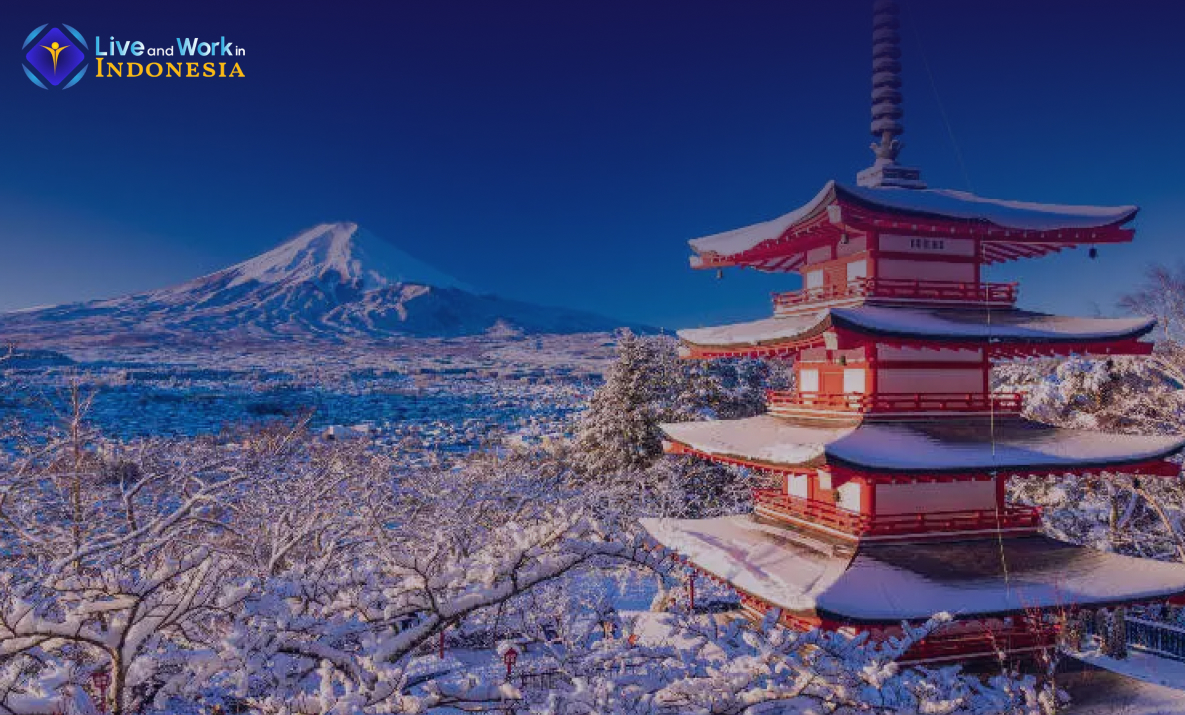
A Winter Study Tour to Japan offers students, educators, and academic institutions a unique opportunity to explore education, technology, Japanese traditions, and seasonal landscapes during one of the country’s most distinctive times of the year. From the illuminated streets of major cities to snow-covered mountain regions, winter provides a different perspective on Japanese society and everyday life.
Japan is an appealing destination for international educational travel because it combines modern infrastructure with a rich cultural heritage. Participants can explore how technology influences urban development, discover traditional customs, learn about Japanese arts, and experience the natural environment during the colder months.
For schools, universities, and educational organisations, Japan winter learning programmes can connect classroom subjects with practical experiences. Instead of simply visiting popular attractions, participants can investigate cultural differences, observe local practices, and develop a deeper understanding of the country’s history and contemporary development.
With appropriate planning, a winter educational trip can combine meaningful learning, cultural exchange, and memorable seasonal activities in a single international programme.
Why Choose Japan for a Winter Study Tour?
Japan’s winter season creates opportunities to explore topics that may be less visible during other times of the year. Seasonal traditions, snow festivals, winter cuisine, and regional differences can become valuable learning themes.
Discover Japanese Culture and Traditions
Japanese culture offers many opportunities for students to explore the relationship between tradition and modern life. Winter is particularly interesting because it includes important seasonal customs and New Year celebrations.
Participants can learn about hatsumode, the traditional first shrine or temple visit of the New Year, and discover how seasonal customs reflect Japanese values, community identity, and cultural continuity.
Visits to cultural districts, museums, temples, and historical landmarks can help students understand the significance of architecture, religious traditions, and local heritage. Guided discussions can encourage participants to compare Japanese customs with traditions in their home countries.
Explore Technology and Modern Education
Japan is also known for its advanced industries, transportation networks, manufacturing capabilities, and technological development. A winter study tour can introduce students to these subjects through educational exhibitions, science museums, and relevant institutional visits.
Depending on the group’s objectives and access arrangements, activities may explore robotics, engineering, environmental technology, or digital innovation.
These experiences are especially relevant for students studying science, technology, engineering, and business. By observing real-world applications, participants can connect academic concepts with practical examples.
Experience Japan’s Winter Landscapes
Winter provides a chance to discover a different side of Japan through snow-covered landscapes, seasonal festivals, and outdoor activities.
Northern and mountainous regions can experience substantial snowfall, while many urban destinations have different winter conditions. The Japan Meteorological Agency explains these regional climate differences in its official overview of Japan’s climate.
This variation makes destination selection important. Organisers can choose a city-focused programme for cultural and educational visits or include a snowy region for seasonal learning and outdoor experiences.
Best Destinations for Japan Winter Learning
The best destinations depend on the group’s educational goals, travel dates, age range, and available budget. Selecting locations according to learning objectives helps ensure that every visit contributes to the overall programme.
Tokyo: Technology, Education, and Urban Development
Tokyo is a practical starting point for a Japan winter study tour because it combines museums, cultural attractions, public transportation, and modern urban infrastructure.
Students interested in technology can explore science museums and educational exhibitions. Groups studying business or urban planning can investigate how a major metropolitan area manages transportation, commercial districts, public spaces, and everyday services.
Cultural visits can include historical neighbourhoods, shrines, and traditional shopping streets. Comparing these areas with Tokyo’s modern districts helps participants understand how heritage and contemporary development coexist.
Winter illuminations and seasonal displays may also provide opportunities to discuss tourism, event planning, and the economic role of seasonal attractions.
Kyoto: Traditional Culture and Japanese Heritage
Kyoto is particularly suitable for groups interested in history, architecture, traditional arts, and Japanese cultural practices.
Participants can explore historical temples, shrines, traditional streets, and cultural institutions to learn about the preservation of heritage. Depending on availability, workshops involving crafts, traditional arts, or Japanese cultural practices may complement sightseeing activities.
Winter can offer a quieter atmosphere at some locations, although visitor numbers vary by destination and date. Organisers should check access arrangements and seasonal opening information before confirming the itinerary.
Kyoto can help students understand how cultural heritage contributes to national identity and supports local tourism.
Osaka: Food Culture, Business, and City Life
Osaka provides opportunities to study commerce, tourism, food culture, and urban life. Its commercial districts and diverse food traditions can support discussions about local business, consumer behaviour, and the relationship between culture and economic activity.
Groups may explore historical landmarks such as Osaka Castle alongside contemporary shopping and entertainment districts. These contrasting environments can illustrate how cities preserve historical sites while developing modern commercial spaces.
For students studying hospitality or business, guided observation activities can focus on customer service, retail operations, tourism management, and local food industries.
Hokkaido: Snow Festivals and Seasonal Learning
Hokkaido is an excellent option for groups seeking a more distinctly wintry environment. Its northern location makes it a popular destination for snow activities, winter scenery, and seasonal events.
Sapporo is especially well known for the Sapporo Snow Festival, which features large snow and ice sculptures. The event provides opportunities to explore public art, creative design, tourism promotion, and the organisation of large seasonal festivals.
Learn more through the official Sapporo Snow Festival information.
Hokkaido can also support lessons about regional climate, winter transport, local food culture, and how communities adapt to cold weather. However, snow activities should be selected according to participant experience, safety requirements, and weather conditions.
Educational Activities to Include in a Winter Study Tour
An effective programme should combine destination visits with structured activities that encourage observation, participation, and reflection.
Cultural Workshops and Heritage Exploration
Cultural workshops allow students to learn by doing rather than simply observing. Depending on availability, a programme could include traditional craft demonstrations, Japanese calligraphy, cultural presentations, or introductory language activities.
Before or after each activity, educators can provide background information and ask participants to identify the cultural values or historical influences behind what they experience.
Science, Technology, and Industry Visits
Science museums, technology exhibitions, and suitable educational institutions can introduce students to engineering, manufacturing, robotics, and innovation.
Where formal visits are available, participants may benefit from presentations, demonstrations, or discussions with knowledgeable guides. Organisers should confirm institutional access well in advance because not every company, laboratory, or school accepts international groups.
Winter Festivals and Seasonal Activities
Winter festivals offer a practical way to study art, community participation, tourism, and seasonal traditions. Students can examine how local authorities and communities organise events and attract visitors.
For example, the Sapporo Snow Festival can inspire projects about sculpture, public event management, destination marketing, and the economic impact of seasonal tourism.
Outdoor activities, including snow play or beginner winter sports, can also encourage teamwork and cultural exchange when suitable supervision and safety measures are provided.
How to Plan a Successful Winter Study Tour to Japan
A well-designed itinerary should balance educational activities, cultural exploration, travel time, and participant wellbeing.
Define Learning Objectives and Select Destinations
Start by identifying the subjects the group wants to explore. A science-focused programme may prioritise Tokyo’s educational attractions, while a cultural programme may allocate more time to Kyoto. Groups interested in winter festivals can consider adding Hokkaido if the budget and schedule permit.
Choose destinations that support the learning objectives instead of attempting to visit every major city.
Plan for Winter Weather and Clothing
Winter conditions differ considerably across Japan. Northern regions and mountainous areas can experience heavy snow, while cities elsewhere may have colder but relatively dry conditions.
Participants should bring appropriate winter coats, layers, gloves, scarves, and comfortable footwear suitable for the planned activities. For snowy destinations, waterproof clothing and shoes with good grip may be necessary.
Organisers should monitor official forecasts, allow flexibility in transportation schedules, and establish alternative indoor activities when weather affects outdoor plans.
Arrange Travel Documents and Group Logistics
Before departure, review passport validity, applicable visa or entry requirements, accommodation, transportation, insurance, and emergency contacts.
Requirements depend on participants’ nationalities and individual circumstances. Consult the official Ministry of Foreign Affairs of Japan visa information before finalising travel arrangements.
Schools and institutions should also confirm supervision ratios, dietary requirements, accessibility needs, communication procedures, and emergency response arrangements.
Build Reflection into the Programme
Learning outcomes become clearer when students reflect on what they observe. Educators can assign travel journals, cultural comparison activities, group presentations, or short reports about technology, sustainability, or Japanese traditions.
These assignments help participants connect experiences with classroom learning and communicate their findings after returning home.
Benefits of an Organised Winter Educational Trip
An organised winter study tour can make international educational travel easier to coordinate by bringing together destinations, activities, transportation, accommodation, and scheduling.
A structured programme can also help educators maintain a clear connection between learning objectives and daily activities. Participants gain opportunities to develop cultural awareness, communication skills, adaptability, teamwork, and independence.
Experiencing Japan during winter adds another dimension to this learning process. Students can explore seasonal traditions, observe regional differences, and discover how communities respond to environmental conditions.
The strongest programmes combine enjoyable experiences with educational purpose, appropriate supervision, and sufficient time for reflection.
Frequently Asked Questions
1. What is a Winter Study Tour to Japan?
A Winter Study Tour to Japan is an educational trip conducted during the winter season. It may combine cultural visits, science and technology activities, historical exploration, winter festivals, and supervised seasonal experiences.
2. When is the best time to visit Japan for a winter study tour?
December to February is generally considered Japan’s winter season. The best dates depend on the desired activities, destination, and festival schedule. Groups planning to attend major winter events should verify the official dates before booking.
3. Which Japanese destinations are suitable for winter learning?
Tokyo is suitable for technology and urban development, Kyoto for cultural heritage, Osaka for business and food culture, and Hokkaido for snow festivals and winter landscapes. The final selection should reflect the group’s learning objectives and travel budget.
4. What should students bring on a winter study tour?
Students should prepare layered clothing, a warm coat, comfortable walking shoes, and weather-appropriate accessories. Those visiting snowy regions may also need waterproof outerwear and footwear with good traction.
5. How can schools organise a winter study tour to Japan?
Schools can begin by defining educational objectives, preferred travel dates, group size, and budget. They can then consult a study tour provider to discuss itinerary options, educational activities, transportation, accommodation, and other logistical requirements.
Plan Your Japan Winter Learning Experience with Live and Work Indonesia
A winter journey through Japan can offer much more than seasonal sightseeing. It can introduce students to Japanese traditions, modern technology, regional culture, and the relationship between communities and their environment.
For schools, universities, and educational institutions planning an international learning experience, choosing the right destinations and activities is an important first step.
Explore the Global Study Tours programme by Live and Work Indonesia to discuss your group’s educational objectives and potential travel arrangements. Contact the team to explore a programme tailored to your participants, preferred schedule, and learning interests.













