
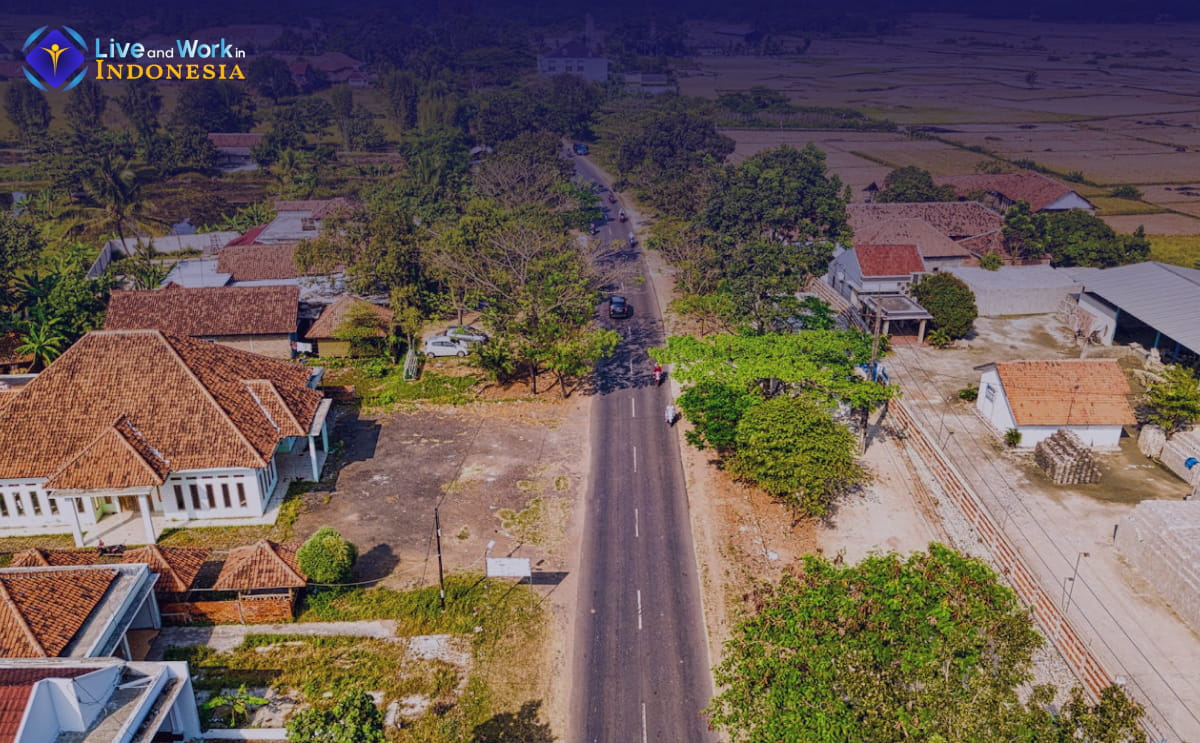
In the evolving landscape of global mobility, Indonesia has positioned itself as a premier destination for high-net-worth individuals, retirees, and international professionals seeking a sanctuary that balances lifestyle with strategic opportunity. The Indonesia Second Home Visa (E33A) has emerged as a cornerstone policy, designed to attract foreign investment and encourage long-term residency in the archipelago.
As of 2026, the application process for the Indonesia Second Home Visa has become more streamlined, providing clarity for investors looking to make Indonesia their home base. Whether you are seeking a serene lifestyle in Bali, a professional hub in Jakarta, or a secure haven for your family, this visa offers an unparalleled pathway to long-term residency. This guide explores the specific benefits, eligibility criteria, and strategic advantages of this permit in 2026.
1. What is the Indonesia Second Home Visa?
The Indonesia Second Home Visa is a residency permit specifically curated for foreigners who wish to reside in Indonesia for an extended period up to five years without the necessity of maintaining active employment or launching a company within the country.
Unlike a standard work permit (KITAS) which ties your stay to a specific job or company, the Second Home Visa provides a level of autonomy that is highly sought after by global citizens. It is a “residency-by-investment” or “residency-by-assets” model, designed to allow holders to enjoy the country’s hospitality, cultural depth, and infrastructure while managing their personal investments or retirement.
2. Key Benefits of the Second Home Visa in 2026
The appeal of this visa lies in the flexibility it grants to the holder. In 2026, the government has emphasized the following advantages:
A. Extended Duration and Flexibility
The permit is valid for five years, allowing you to settle in without the frequent administrative burden of annual renewals. It is ideal for those who value peace of mind and wish to integrate into the community without constant legal interruptions.
B. Family Inclusion
One of the most significant benefits is the ability to sponsor your family. Second Home Visa holders can include their spouse, children, and even parents under the same residency umbrella, making it an excellent vehicle for family relocation and long-term stability.
C. Freedom of Movement
With a five-year multiple-entry status, holders can traverse the archipelago or travel internationally with ease. This freedom is essential for individuals who divide their time between Indonesia and their home countries or other international business hubs.
D. Investment and Lifestyle Optimization
While the visa itself is not a work permit, it does not restrict you from managing personal assets, property investments, or financial portfolios. It is the perfect bridge for those who have reached financial independence and are looking to optimize their lifestyle in one of Southeast Asia’s most promising markets.
3. Eligibility and Financial Requirements
To qualify for the Indonesia Second Home Visa, applicants must demonstrate financial stability. The Indonesian government requires a guarantee that residents can maintain a comfortable standard of living while in the country.
The Proof of Funds Requirement
Applicants are generally required to demonstrate proof of funds in an Indonesian bank account either in their own name or via a foreign bank account equivalent to a minimum of IDR 2 billion (approx. USD 125,000). This fund serves as a “guarantee” of your financial self-sufficiency during your residency.
Why Financial Compliance Matters
These financial thresholds are strictly monitored. Applicants must provide certified bank statements or proof of ownership of assets that confirm their eligibility. The ensures that these funds remain intact during the initial processing of your application, cementing your status as a high-value resident.
4. Why 2026 is the Right Time to Apply
The Indonesian government’s focus on the Second Home Visa is part of a broader push to modernize the country’s immigration system. By 2026, the system has integrated more closely with digital platforms, making the application process faster and more predictable than in previous years.
Strategic Integration
- Professional Support: With the market maturity of professional firms, the administrative friction of applying for this visa has decreased significantly. Experts now handle document apostillization, bank account coordination, and submission, minimizing the risk of errors.
- Lifestyle Infrastructure: With the completion of several high-end residential, medical, and lifestyle developments across Bali, Jakarta, and Lombok, the environment for Second Home Visa holders is more attractive than ever before.
For those considering this visa, professional guidance from experts at ensures your documentation meets the high standards required by immigration authorities.
5. Frequently Asked Questions (FAQ)
1. Does the Second Home Visa allow me to work?
No. The Second Home Visa is not a work permit (KITAS). Holders are prohibited from taking up local employment. However, you are permitted to manage your own personal investments or assets.
2. Can I transition to this visa if I am already in Indonesia?
Yes. Many investors who arrive on a visit or business visa choose to transition to the Second Home Visa. This “onshore” conversion is a popular method that professional consultancies can facilitate without you having to leave the country.
3. What is the difference between an Investor KITAS and a Second Home Visa?
An Investor KITAS is tied to your business entity (PT PMA) and allows you to hold a position within that company. A Second Home Visa is tied to your financial assets (proof of funds) and does not require a local corporate entity.
4. Is the money in the Indonesian bank account frozen?
No. While the minimum balance must be maintained to verify your initial eligibility, you are generally able to use these funds for your personal expenses or further investments in the country after the residency is granted.
5. Can I include my parents in my application?
Yes. One of the unique features of the Indonesia Second Home Visa is its inclusivity, allowing for the primary holder to sponsor parents, providing a robust solution for multi-generational family relocation.
Conclusion: Securing Your Future in Indonesia
Choosing the Indonesia Second Home Visa is a testament to your commitment to the country as a long-term home. It is an investment in stability, allowing you to bypass the complexities of annual renewals and focus instead on the quality of your life in the archipelago.
Whether you are a seasoned investor or a professional looking for a secure base, this visa offers the most straightforward path to five-year residency in Indonesia. Don’t leave your residency to chance ensure your application is managed by those who know the landscape best.
Ready to apply for your Second Home Visa? Contact Live and Work Indonesia today













