
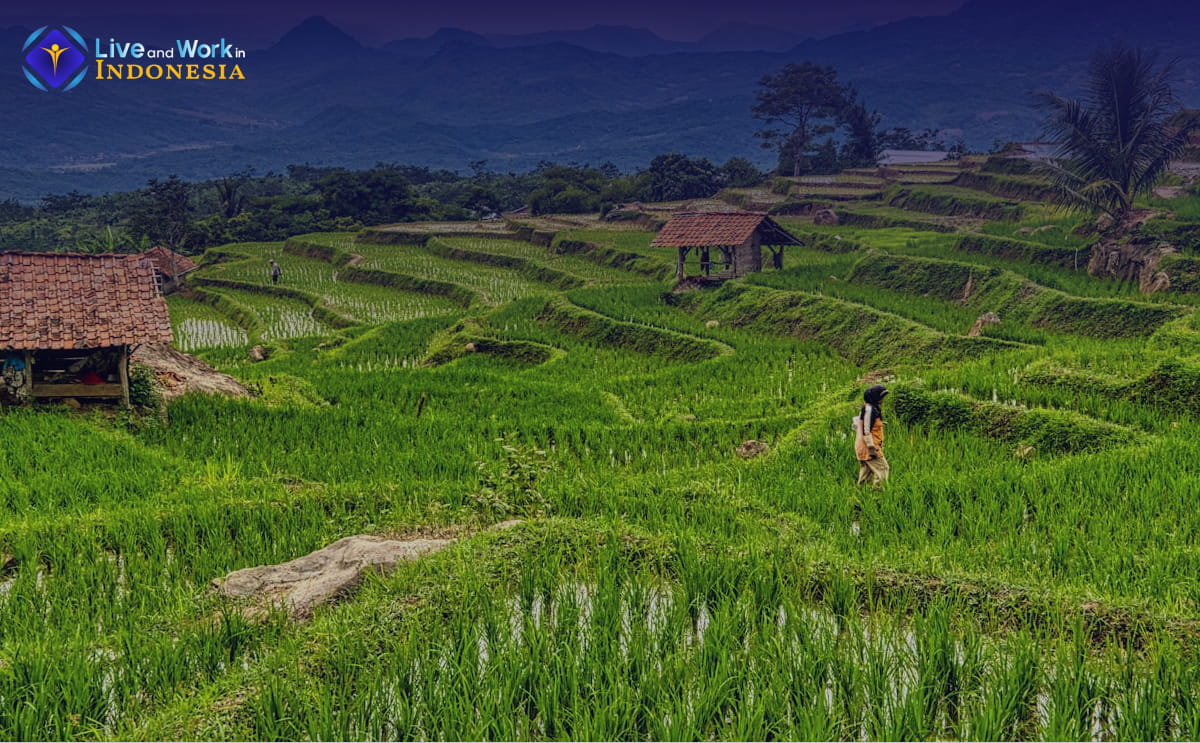
Indonesia is an archipelago of unparalleled beauty, offering everything from misty volcanic highlands to pristine, sun-drenched coastlines. For expatriates planning their relocation, one of the most practical factors to consider is the local climate. Understanding the Indonesia weather & best time to move is not just about choosing the perfect month for your flight; it is about ensuring a seamless transition into a new lifestyle, managing your logistics, and optimizing your initial period of settling in.
In 2026, Indonesia remains a year-round destination, but the tropical rhythm dictates the pace of life, travel, and even business. This guide provides a deep dive into the climatic nuances of the archipelago and strategic advice on when to make your move to ensure the best start to your Indonesian journey.
1. The Tropical Rhythm: Understanding Indonesia’s Climate
Indonesia is located along the equator, which means the country does not have the four seasons (spring, summer, autumn, and winter) typical of higher latitudes. Instead, the climate is dominated by two primary periods: the Wet Season and the Dry Season.
The Dry Season (April to October)
Generally, the dry season is characterized by low humidity, sunny skies, and optimal conditions for outdoor activities.
- What to expect: Abundant sunshine, manageable humidity levels, and consistent warmth.
- Why it’s popular: It is the peak time for tourism, surfing, and exploration. For expats moving during this time, it offers a “warm welcome” as you navigate housing searches, city orientation, and early community networking.
The Wet Season (November to March)
The wet season brings increased humidity and more frequent, though often short-lived, tropical rain showers.
- What to expect: Lush greenery, cooler temperatures in the highlands, and occasional heavy rainfall, especially in December and January.
- Why it’s manageable: Rain in Indonesia is rarely a day-long affair. It often arrives in refreshing afternoon bursts, cooling the air. For those moving during this time, the trade-off is often lower rental costs and a quieter pace of life as the peak tourism crowds diminish.
2. Best Time to Move: A Strategic Perspective
While the weather is a factor, the best time to move also depends on your professional and personal goals. As an expatriate, you are likely balancing relocation logistics, visa processing, and your family’s needs.
Moving for Efficiency (April to June)
The months of April, May, and June are arguably the “sweet spot.” The weather is transitionally dry, the peak holiday traffic hasn’t yet hit its zenith, and the major administrative offices including immigration and investment boards are operating at full capacity following the post-holiday period.
- Pro Tip: Moving during these months allows you to get your Investor KITAS and business registration processed before the year-end slowdown.
Moving for Budget-Consciousness (September to November)
If you are sensitive to housing and relocation costs, the “shoulder” months of September, October, and November can be advantageous. With fewer tourists, landlords are often more open to flexible lease terms, and relocation service providers may have more availability to assist with your move.
3. Regional Variations: Beyond the National Average
Indonesia is vast, and the Indonesia weather & best time to move can change drastically depending on where you plan to settle.
Jakarta: The Metropolitan Rhythm
Jakarta is tropical throughout the year. However, if you are moving to the capital, be aware that the peak of the wet season (January and February) can lead to localized flooding and traffic congestion. Moving to Jakarta during the drier months (May–September) makes your first few weeks of house-hunting and orientation significantly more pleasant.
Bali and Lombok: The Seasonal Flow
In Bali, the dry season (April–October) is the prime time for beach life. If you move during the wet season (November–March), you will find a more tranquil, local side of the island. Many long-term residents actually prefer the wet season because the island turns vibrant green and the pace of life slows down.
The Highlands (Bandung/Ubud): Cooler Retreats
If you are moving to the mountainous regions, the weather is consistently cooler. The “best time” here is more about the social calendar than the climate, as these areas remain pleasant regardless of the season.
4. Practical Logistics for Your Arrival
Regardless of when you choose to move, your arrival logistics must be perfectly planned to ensure a smooth transition.
Visa and Legal Readiness
Before you even book your flights, ensure your immigration status is finalized. Relocating to Indonesia requires significant documentation, including your residency permits, potential business licenses, and tax registration. Partnering with a professional consultancy is the most reliable way to ensure that you are “arrival-ready,” regardless of the weather.
Settling In
Once you arrive, use the first few weeks to immerse yourself. If you arrive in the dry season, prioritize getting to know your neighborhood, scouting local schools, and networking with other expatriates. If you arrive in the wet season, use the time to set up your home office, handle interior administrative tasks, and explore the indoor cultural offerings of your city.
For a smooth transition, explore our Relocation Services which provide end-to-end support for your move.
5. Frequently Asked Questions (FAQ)
1. When is the heaviest rainfall in Indonesia?
Generally, December and January experience the most frequent and heavy rainfall across much of the archipelago, including Jakarta and Bali.
2. Can I move to Indonesia during the wet season?
Yes, absolutely. Moving during the wet season is very common. You may find that it takes a day or two longer to get your bearings due to the rain, but the infrastructure handles the weather well.
3. Does the temperature change much throughout the year?
Not significantly. Indonesia stays warm year-round, typically ranging between 25°C and 32°C (77°F–90°F). The main difference is the humidity level, which is higher during the wet season.
4. Is it easier to find an apartment during a specific season?
Moving during the “low season” (outside of peak tourism months) can sometimes make it easier to find flexible landlords who are looking to secure long-term tenants when short-term demand is low.
5. Should I hire professional help for my move?
Relocating to a new country involves complex legal and logistical hurdles. Professional consultancy firms provide the expertise needed to manage your visa, housing, and integration, ensuring that no matter the weather, your move is successful.
Conclusion: Timing Your New Beginning
Indonesia offers a life of adventure, community, and opportunity, regardless of the month you arrive. By aligning your move with the right season, you can optimize your initial experience and hit the ground running. Whether you are looking for the dry-season sun to explore your new city or the lush green tranquility of the wet season to set up your home, the Indonesia weather & best time to move is ultimately defined by your readiness to embrace a new chapter.
Ready to make Indonesia your home? Contact Live and Work Indonesia today for comprehensive relocation support and legal guidance!













