
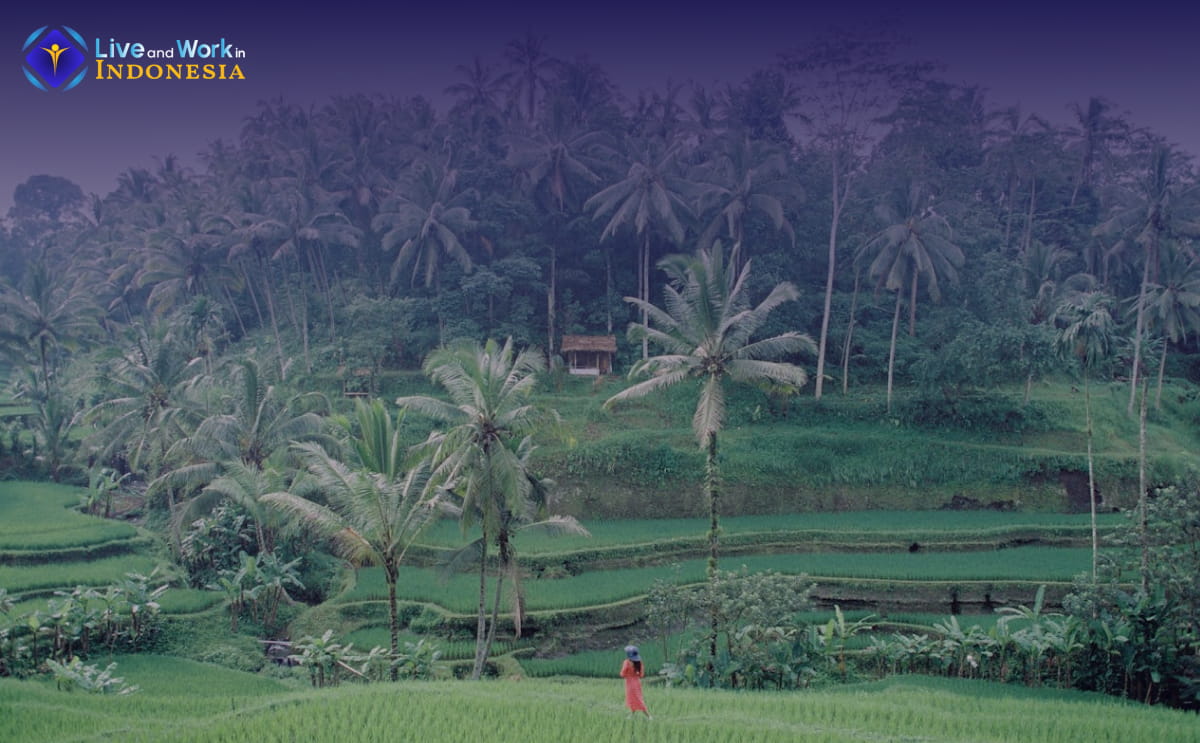
For decades, Ubud has been whispered about in traveler circles as a sanctuary for the soul. However, as we move through 2026, the narrative has shifted from a mere spiritual retreat to a sophisticated hub for long-term residency. Ubud Expat Living 2026 is defined by a unique fusion of traditional Balinese “Tri Hita Karana” philosophy and high-tech modern infrastructure. With the recent expansion of the “Silicon Bali” initiative reaching the outskirts of Gianyar, Ubud has become the primary destination for families and wellness professionals who seek a balanced alternative to the high-octane coastal energy of Canggu or Seminyak.
Living in the cultural heart of Bali in 2026 offers a distinct advantage: the ability to exist within a thriving digital economy while surrounded by ancient rainforests and terraced rice paddies. But as the island matures, so do the complexities of relocation. From navigating the new 2026 “Green Zone” spatial laws to understanding the tiered cost of luxury living, this guide provides the definitive roadmap for those ready to call Ubud home.
The 2026 Evolution: Beyond the “Eat Pray Love” Stereotype
In 2026, Ubud is no longer just a backpacker’s transit point. The town has evolved into a “Wellness City” recognized by the World Health Organization (WHO) Healthy Cities Network. The introduction of the electric shuttle system within the town center has significantly reduced the legendary traffic congestion, making the heart of Ubud walkable once again.
For the modern expat, this means a higher quality of life. The 2026 Ubud Expat Living 2026 experience is characterized by fiber-optic internet reaching deep into the jungle ravines of Sayan and Tegallalang, allowing for a seamless transition between a morning meditation and a mid-day global boardroom call.
1. Wellness Infrastructure: A Global Center for Longevity
Wellness in Ubud is no longer limited to yoga classes; in 2026, it has expanded into the “Longevity and Biohacking” sector.
Advanced Health Facilities
The opening of the Ubud International Wellness Clinic in late 2025 has brought world-class diagnostic tools to the jungle. Expats now have access to:
- Integrative Medicine: Combining traditional Balinese herbalism with Western IV therapy and stem cell treatments.
- Hydrotherapy Circuits: Utilizing the natural spring waters of the Ayung River for holistic recovery.
- Mental Health Hubs: Dedicated centers for digital detox and burnout recovery, essential for the remote working community.
The Organic Food Revolution
Food security and sustainability are core to the 2026 lifestyle. The “Farm-to-Table” movement has matured into “Regenerative Gastronomy.” Most expat households in 2026 subscribe to community-supported agriculture (CSA) programs that deliver pesticide-free produce grown using traditional subak irrigation methods, ensuring that the cost of high-quality nutrition remains lower than in Western capitals.
2. The Cost of Living in Ubud: 2026 Budget Breakdown
While Bali remains more affordable than Europe or North America, the Ubud Expat Living 2026 financial landscape requires careful planning. Inflation in the luxury sector has been offset by a more stable Rupiah and increased competition in the service industry.
Housing and Rent
In 2026, the “Leasehold” market remains the standard for expats.
- 1-Bedroom Jungle Studio: $800 – $1,200 USD per month.
- 3-Bedroom Family Villa with Pool (Sayan/Penestanan): $2,500 – $4,500 USD per month.
- Luxury Estate (Tegallalang ravines): $6,000+ USD per month.
Daily Expenses
- Utilities (Electricity & High-Speed Fiber): $150 – $250 USD per month.
- Private Chef/Housekeeping: $300 – $500 USD per month.
- International Schooling (Per Child): $8,000 – $15,000 USD per year.
For a broader look at Southeast Asian economic shifts and how they impact expat purchasing power, the World Bank’s 2026 Indonesia Economic Prospects provides a deep dive into the fiscal stability of the region.
3. Top Family-Friendly Areas in Ubud
Choosing the right neighborhood is the most critical decision for those Live and Work Indonesia. In 2026, the “Ubud Center” is mostly for commerce, while residential life has moved to the surrounding villages.
Penestanan: The Creative Enclave
Historically the “artist’s village,” Penestanan remains a favorite for families due to its pedestrian-friendly paths and proximity to the Intuitive Flow yoga studio and the Alchemy academy. It offers a “village feel” where children can still walk to a local café safely.
Sayan: The Luxury Ridge
Sayan is where high-end wellness meets family life. Home to some of the world’s best hotels, it also features sprawling villa complexes. It is the best area for those who prioritize privacy and dramatic views of the Ayung River.
Nyuh Kuning: The Zen Neighborhood
Located behind the Monkey Forest, Nyuh Kuning is widely considered the quietest and cleanest village in Ubud. In 2026, it is the primary hub for holistic birthing centers and “forest schools,” making it the top choice for young families and “earth-conscious” expats.
4. Education and the “Forest School” Movement
The 2026 education scene in Ubud has moved away from traditional classroom settings. Ubud is now the global epicenter for “Experiential Learning.”
- Green School Bali: Still the pioneer, located 20 minutes from Ubud, focusing on sustainability and entrepreneurship.
- Empathy School: Focusing on emotional intelligence and nature immersion.
- The Pelangi School: A community-led international school that offers a curriculum rooted in Balinese culture and global academic standards.
The International Labour Organization (ILO) Indonesia highlights that the growth of international schools in regions like Bali is a direct result of the increasing “Global Talent Mobility,” where parents prioritize holistic development over standardized testing.
5. Navigating Legalities: Visas and Land Use in 2026
You cannot separate Ubud Expat Living 2026 from the reality of Indonesian law. The 2026 “Indonesia Visa Overhaul” has made residency clearer, but enforcement is stricter.
The Remote Worker e-Visa (E33G)
This is the go-to for Ubud’s nomad population. It allows you to live in the jungle ravines while working for your foreign entity, provided you don’t take “local” jobs.
Land Zoning (KKPR)
In 2026, the “Green Zones” around Ubud are strictly protected. Before leasing land or a villa, you must ensure it is in a “Yellow Zone” (Residential) or “Pink Zone” (Tourism). Building or living in a restricted agricultural zone can now lead to immediate eviction and permit cancellation.
Why Expert Relocation Support is Essential
The beauty of Ubud can sometimes mask the complexity of its bureaucracy. From ensuring your villa lease is legally registered to choosing the right KBLI code for your wellness business, the “DIY” approach often leads to expensive setbacks.
At Live and Work Indonesia, we specialize in the “Ubud Transition.” We understand that moving to the cultural heart of Bali is a lifestyle choice that requires a delicate balance of legal precision and cultural respect. We don’t just process papers; we integrate you into the community.
5 Frequently Asked Questions (FAQ)
1. Is Ubud still affordable for digital nomads in 2026?
Yes, but the market has bifurcated. While luxury prices have risen, “Coliving” spaces in areas like Mas and Lodtunduh offer high-quality living and community for $1,200/month including all utilities and workspace.
2. How is the healthcare in Ubud for expats?
In 2026, it is excellent. Between the Kenak Medika hospital and the new wellness-focused international clinics, most non-surgical and elective needs are met locally. For major surgeries, most expats still head to the international hospitals in Sanur or Nusa Dua.
3. Do I need a scooter to get around Ubud?
While the electric shuttle handles the town center, a scooter (preferably an electric one, which is the 2026 trend) is still the most efficient way to navigate the narrow village “gangs” (lanes) of Penestanan or Sayan.
4. Can my children attend local schools?
Most expats opt for international schools due to the language barrier and curriculum alignment. However, there are “bridge programs” that allow expat children to participate in local Balinese art and language classes.
5. What is the biggest challenge of living in Ubud?
Humidity and nature. In 2026, even with modern construction, the “jungle life” means managing mold, insects, and tropical weather. It requires a mindset shift to embrace the environment rather than fight it.
Embrace the Heart of Bali
Relocating to Ubud is a commitment to a different pace of life one where the calendar is dictated by temple ceremonies and the productivity is fueled by the jungle’s serenity. In 2026, this dream is more accessible and sustainable than ever.
Are you ready to design your life in the jungle? Don’t let the legalities dampen your spirit. Contact the relocation experts at Live and Work Indonesia today for a comprehensive consultation on housing, visas, and family life in Ubud.
Contact Our Relocation Specialists













