
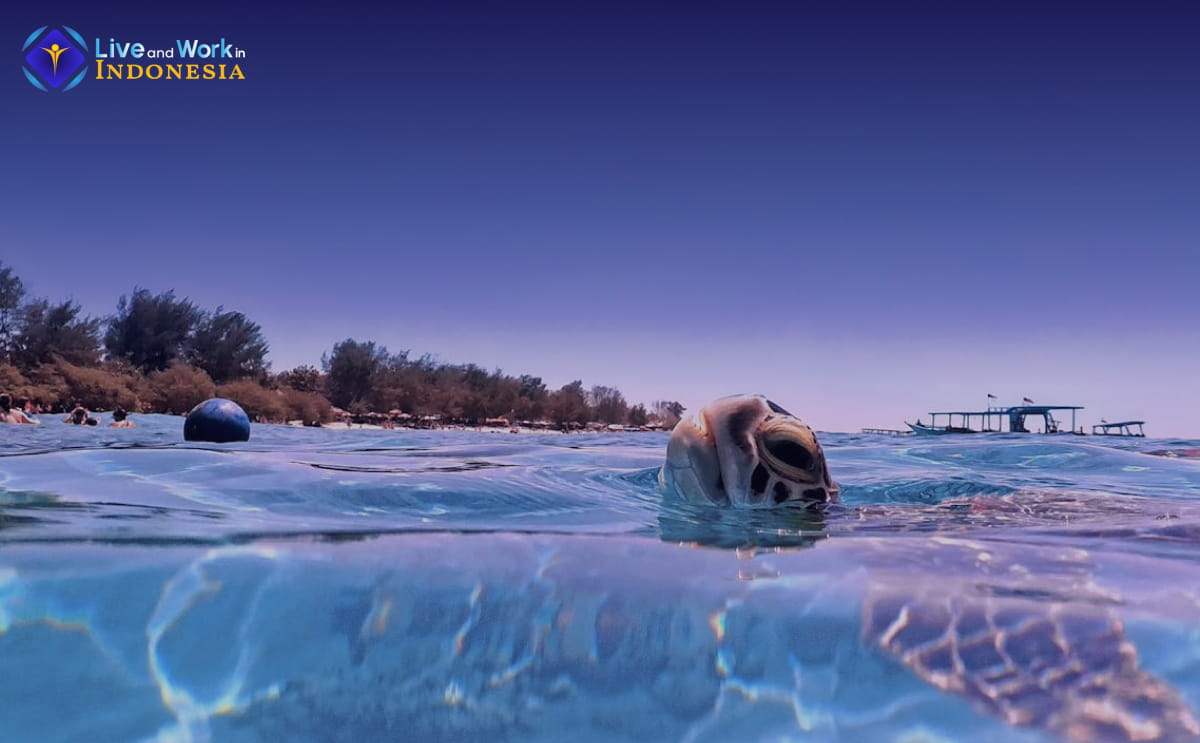
The allure of white sandy beaches, turquoise waters, and a motorized-vehicle-free environment has made the Gili Islands a legendary destination for travelers. However, in 2026, a new trend has solidified: the transition from backpacker paradise to a premier hub for the Gili Islands Expat. As remote work infrastructure reaches its peak and the Indonesian government introduces more flexible long-term stay permits, these three tiny islands Gili Trawangan, Gili Meno, and Gili Air have become viable sanctuaries for those seeking a slower pace of life.
At Live and Work Indonesia, we have witnessed a significant increase in professionals and retirees looking to swap the high-pressure environments of Jakarta or Singapore for the rhythmic, sun-drenched lifestyle of the Gilis. But moving to a coral island requires more than just a swimsuit; it requires a strategic understanding of local regulations, logistics, and community dynamics. This guide explores the best living options and essential tips for the modern expatriate.
The Three Sisters: Choosing Your Gili Island Base
While the islands are geographically close, each offers a distinct personality. In 2026, the Gili Islands Expat community has carved out specific niches on each landmass.
1. Gili Trawangan: The Social Hub
Gili T (as it’s affectionately known) is the largest and most developed.
- Lifestyle: Vibrant, cosmopolitan, and energetic. It features the best selection of international restaurants, gyms, and high-end villas.
- Best For: Solo entrepreneurs and socialites who want a “city-lite” feel in a tropical setting.
2. Gili Air: The Balanced Haven
Gili Air strikes the perfect chord between the party vibes of Gili T and the silence of Meno.
- Lifestyle: Laid-back yet connected. It has a growing community of digital nomads and families.
- Best For: Small business owners and remote workers who prioritize a community-centric atmosphere.
3. Gili Meno: The Ultimate Escape
The smallest and quietest of the three.
- Lifestyle: Serene, private, and nature-focused.
- Best For: Writers, artists, and retirees who genuinely want to unplug from the world.
Infrastructure and Connectivity in 2026
One of the primary reasons more people are choosing to become a Gili Islands Expat in 2026 is the revolution in infrastructure.
High-Speed Internet
Gone are the days of patchy 3G. The islands are now serviced by advanced subsea fiber-optic cables and 5G-Advanced towers. Satellite internet options like Starlink have also become standard for high-end villas, ensuring that a Gili Islands Expat can attend a global board meeting with zero latency.
Sustainable Energy and Water
The Gilis have pioneered green initiatives. Many expat-owned villas now utilize solar-hybrid systems. Desalination technology has also improved, providing a more reliable (though still precious) supply of fresh water compared to previous years.
Navigating the Legalities: Visas for the Gili Islands Expat
To Live and Work Indonesia, specifically on the Gilis, you must align your stay with the correct visa. In 2026, the options are more diverse than ever.
The Remote Worker Visa (E33G)
For the digital nomad, this is the gold standard. It allows you to reside on the islands while working for an overseas company, tax-exempt on foreign income under specific conditions.
The Investor KITAS (Index E23)
Many expats choose to open a boutique resort, a diving center, or a sustainable restaurant. By establishing a PT PMA (Foreign-Owned Company), you can secure an Investor KITAS, providing long-term residency and the right to manage your business locally.
The Second Home Visa
For retirees or high-net-worth individuals, this 5 to 10-year visa offers ultimate stability. It requires a proof of funds but removes the need for frequent renewals.
For international guidelines on expatriate rights and safety, the International Organization for Migration (IOM) provides essential resources for those moving across borders.
Real Estate and Island Living Options
Finding a home as a Gili Islands Expat in 2026 involves navigating the “Leasehold” system.
- Leasehold (Hak Pakai/Hak Sewa): Most foreigners secure properties on a 25 to 50-year lease. This provides security while adhering to Indonesian land laws.
- Building Your Own: While tempting, building on the Gilis requires strict adherence to environmental codes to protect the surrounding reefs.
- Co-living Spaces: Gili Air and Gili T now feature “Eco-Coliving” spaces designed specifically for short-to-mid-term expat stays, blending private rooms with shared office facilities.
Sustainable Integration: Community and Environment
Being a successful Gili Islands Expat means becoming a steward of the islands.
- Waste Management: Join local initiatives like Gili Eco Trust. Expats are expected to lead by example in reducing plastic waste.
- No Engines, No Problem: Life moves at the speed of a bicycle or a horse-drawn cidomo. This physical activity is a core part of the “Gili Detox” lifestyle.
- Local Culture: While the islands are international, they are part of West Nusa Tenggara. Respecting Sasak traditions and local customs is vital for harmonious living.
For more information on marine conservation which is vital for island life, visit the Coral Reef Alliance.
Why Live and Work Indonesia is Your Gili Partner
Relocating to a tiny island in the middle of the Indonesian sea is an adventure, but the paperwork shouldn’t be. At Live and Work Indonesia, we provide the logistical backbone for your island dreams.
We assist with:
- Company Incorporation (PT PMA): Setting up your island business legally.
- Visa Processing: Ensuring your Gili Islands Expat status is fully compliant.
- Legal Consulting: Navigating leasehold agreements and property laws.
Frequently Asked Questions (FAQ)
1. Can I bring my pets to the Gili Islands?
The Gili Islands have a strict “No Dogs” policy to protect the local ecosystem and the high cat population. Cats are welcome, but importing them requires specific health certifications and permits.
2. Is there a hospital on the islands?
There are 24-hour clinics for minor issues and emergencies. For serious medical conditions, the new international hospitals in Lombok or Bali are accessible via speedboats, which take about 15–45 minutes.
3. How expensive is the cost of living for a Gili Islands Expat?
While local food is cheap, imported goods can be expensive due to logistics. A comfortable expat life (housing, food, and social) typically costs between $1,200 and $2,500 USD per month.
4. Is it possible to buy land as a foreigner?
Foreigners cannot “own” land (Hak Milik) in Indonesia. However, you can secure long-term control through leasehold agreements or through a PT PMA with the “Right to Build” (HGB).
5. What is the best way to get to the Gilis from Bali?
In 2026, fast boats from Padang Bai or Sanur remain the most popular. There is also a helicopter transfer service for those seeking a faster, premium entrance.
Step Into Your New Island Life
The Gili Islands are no longer just a weekend getaway; they are a lifestyle choice for the forward-thinking professional. With the right legal support and a respect for the local environment, you can turn these coral gems into your permanent home.
Contact Live and Work Indonesia Today to Start Your Relocation













