
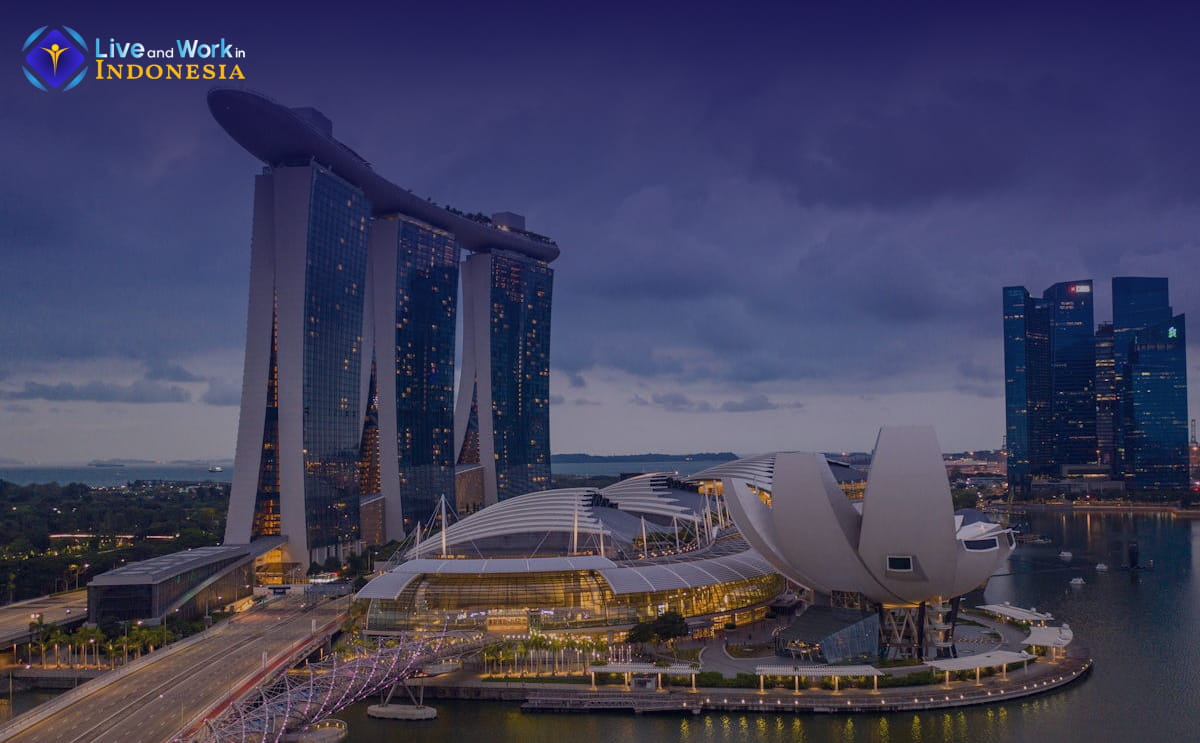
The industrial landscape of Southeast Asia is witnessing a seismic shift as Indonesia aggressively ramps up its manufacturing capabilities. In 2026, the government’s commitment to “Making Indonesia 4.0” has moved from a policy framework to a tangible economic reality, creating an unprecedented window of opportunity for Singapore Manufacturers. As land costs and labor constraints tighten in the city-state, the Indonesian archipelago specifically the Batam-Bintan-Karimun (BBK) corridor and the industrial heartlands of West Java has emerged as the primary destination for strategic business expansion.
For companies looking to Live and Work Indonesia, the synergy between Singapore’s high-tech expertise and Indonesia’s vast resource pool and labor force is creating a new regional powerhouse. This news report explores the core drivers of Indonesia’s industrial push and why now is the definitive time for Singapore-based firms to scale across the border.
The Strategic Allure of the BBK Region: Batam, Bintan, and Karimun
For decades, Batam has been a familiar name to Singaporeans, but the 2026 industrial push has transformed the entire BBK region into a sophisticated network of Special Economic Zones (SEZs). These zones are specifically designed to cater to the logistical and operational needs of Singapore Manufacturers.
1. Unmatched Proximity and Logistical Convenience
Proximity remains the greatest competitive advantage. Located just a short ferry ride from Singapore, these islands offer a “twin-hub” model where high-value activities (R&D, finance, and regional HQ) stay in Singapore, while the high-scale manufacturing takes place in Indonesia. This proximity allows for daily site visits and seamless supply chain integration with Singapore’s world-class ports.
2. Established Industrial Clusters
The BBK region is not starting from scratch. It already hosts mature clusters in electronics, shipbuilding, and advanced logistics. This existing ecosystem means that new investors can tap into a ready-made supply chain and a workforce that is already familiar with international manufacturing standards.
3. Specialized SEZ Incentives
The SEZ status of these islands provides a protective “bubble” of fiscal and non-fiscal benefits. From tax holidays to streamlined permits, the Indonesian government has removed the traditional bureaucratic friction that once hindered foreign investment.
Bekasi: The Rising Industrial Powerhouse Near Jakarta
While the BBK region captures the attention of those seeking proximity, Bekasi is emerging as the strategic choice for Singapore Manufacturers who require direct access to the Indonesian domestic market.
The Location Advantage
Situated in West Java, Bekasi is the industrial gateway to Jakarta. It connects directly to the largest consumer market in the country, making it an ideal base for companies producing automotive parts, electronics, and consumer goods.
World-Class Infrastructure
Bekasi boasts some of the most advanced industrial estates in Southeast Asia. With direct access to major toll roads, modern waste management systems, and a massive pool of skilled labor, it offers a scalable environment for large-scale production. For firms focused on the domestic Indonesian “boom,” Bekasi is no longer an alternative it is the destination.
Government Incentives Driving the Industrial Push
Indonesia’s current success in attracting Singapore Manufacturers is the result of deliberate policy reforms centered on ease of doing business.
Tax Holidays and Fiscal Exemptions
To reduce the initial burden of relocation, the Indonesian government offers significant corporate tax reductions for new investors. Additionally, manufacturers can benefit from import duty exemptions on raw materials and machinery, ensuring that the cost of setup remains globally competitive.
Digital-First Licensing: The OSS System
The introduction of the Online Single Submission (OSS) system has revolutionized how business permits are issued. What used to take months can now be initiated in days. Furthermore, immigration processes for expatriate technical experts have been streamlined, allowing firms to bring in the talent they need to oversee the Live and Work Indonesia transition.
The Benefits for Singapore Manufacturers
Expanding into Indonesia is not just a defensive move against rising costs; it is an offensive strategy for regional dominance.
- Cost Efficiency: Manufacturers benefit from significantly lower labor and operational costs compared to Singapore, allowing for healthier margins and more competitive pricing in global markets.
- Massive Market Access: A base in Indonesia provides a direct gateway to 270+ million domestic consumers.
- ASEAN Supply Chain Integration: As a central player in ASEAN, Indonesia-based manufacturers enjoy duty-free access to a regional market of 650+ million people.
For a broader look at the industrial trends in the region, CNA News provides excellent context on the evolving economic ties between Singapore and its neighbors.
Challenges and Strategic Considerations
Despite the clear benefits, successful expansion requires a nuanced approach to local operations.
- Regulatory Compliance: Navigating the specific nuances of Indonesian labor and tax laws remains a top priority. Partnering with a local consultant is often the difference between a smooth launch and costly delays.
- Cultural Adaptation: Building trust with local partners and employees is fundamental to long-term success. The most successful Singapore Manufacturers are those that invest in understanding the local workforce culture.
- Infrastructure Gaps: While hubs like Batam and Bekasi are highly developed, some emerging regions still face challenges in logistics and connectivity.
Frequently Asked Questions (FAQ)
1. Why should Singaporean manufacturers consider Batam, Bintan, and Karimun?
Their geographic proximity to Singapore, Special Economic Zone (SEZ) incentives, and well-established industrial clusters make them ideal locations for cost-efficient operational expansion.
2. Is Bekasi a better choice than Batam?
That choice depends on your sector of focus. Bekasi offers direct access to Jakarta’s consumer market and advanced infrastructure, while Batam offers exceptional proximity to Singapore as well as the specific benefits of the SEZ.
3. Which industries are growing the most in this region?
Sectors such as electronics, automotive, shipbuilding, logistics, and fast-moving consumer goods (FMCG) are the key industries experiencing rapid growth in these regions.
4. Are there any tax incentives for foreign investors?
Yes, Indonesia offers various incentives, including tax holidays (corporate tax reductions), import duty exemptions for raw materials, and a streamlined licensing process through the OSS system.
5. How can companies ensure compliance with regulations in Indonesia?
Collaborating with local consultants and utilizing services such as compliance and payroll solutions from Live and Work Indonesia is highly recommended to ensure operations are conducted in accordance with applicable laws.
Ready to Expand Your Manufacturing Footprint?
Indonesia’s industrial push is more than a policy; it is a collaborative invitation to the Singaporean business community. At Live and Work Indonesia, we specialize in bridging the gap between Singapore’s manufacturing excellence and Indonesia’s vast opportunities. From business incorporation and tax advisory to HR and payroll solutions, we provide the end-to-end support needed to scale your operations safely and efficiently.
Contact Our Industrial Specialists Today













