
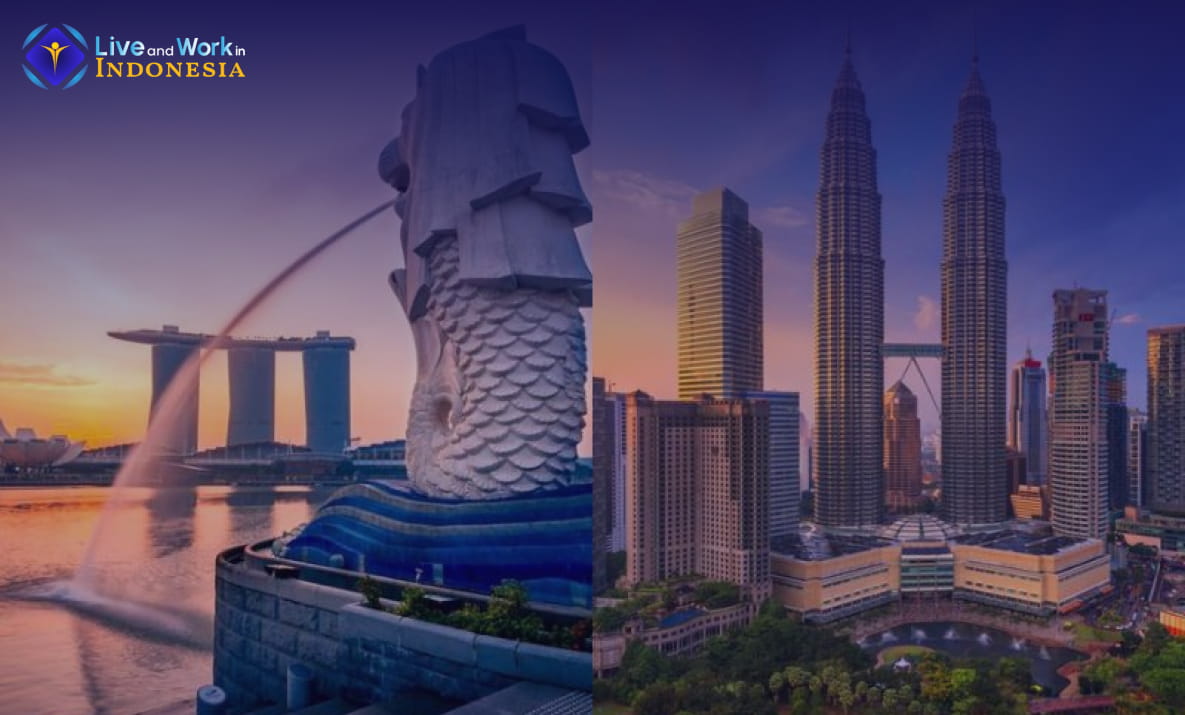
A Study Tour to Singapore and Malaysia offers students, educators, and academic institutions an opportunity to explore two of Southeast Asia’s most interesting destinations through education, cultural experiences, and real-world learning. Although the neighbouring countries share regional connections, each provides a different perspective on technology, business, history, and multicultural society.
Singapore is widely recognised for its urban development, digital innovation, and international business environment. Malaysia, meanwhile, offers a diverse cultural landscape, historical landmarks, and opportunities to explore industries and communities across different cities. Visiting both destinations in one educational journey allows participants to compare different approaches to development while gaining a broader understanding of Southeast Asia.
Whether organised for schools, universities, professional groups, or educational institutions, a combined study tour can turn classroom knowledge into practical experiences. Understanding the destinations, learning objectives, and available activities is the first step towards planning a meaningful international educational trip.
Why Choose Singapore and Malaysia for an Educational Study Tour?
Combining Singapore and Malaysia creates opportunities to explore different aspects of education, society, and economic development within one regional programme.
Experience Singapore’s Innovation and Modern Development
Singapore provides a valuable environment for exploring technology, urban planning, entrepreneurship, and business innovation. Its modern infrastructure and emphasis on digital development can help participants understand how cities use technology and strategic planning to address practical challenges.
Depending on the programme, students may explore science centres, museums, innovation-focused venues, or business districts. Academic groups interested in technology and entrepreneurship can also investigate how digital solutions influence daily life and business operations.
The official Visit Singapore website offers information about cultural attractions, neighbourhoods, and experiences that can support destination planning.
Explore Malaysia’s Cultural and Economic Diversity
Malaysia offers a complementary learning experience through its multicultural communities, historical cities, and varied economic activities. Participants can discover how cultural traditions, trade, tourism, and modern development contribute to the country’s identity.
Kuala Lumpur provides opportunities to study urban development and contemporary business. Penang is particularly interesting for heritage exploration and its connections to trade and industry, while Malacca offers insights into historical trading networks and cultural exchange.
These experiences can encourage students to consider how geography, history, and cultural diversity influence the development of a country.
For destination research, the official Malaysia Tourism Promotion Board website provides information about attractions, cultural heritage, and travel experiences throughout Malaysia.
What Can Participants Learn During a Singapore and Malaysia Study Tour?
A well-planned educational tour should connect every destination with a clear learning objective. Instead of simply visiting attractions, participants should understand why each location matters and how the experience relates to their studies.
1. Technology, Science, and Innovation
Singapore is a relevant destination for groups interested in science, information technology, engineering, and digital transformation. Educational visits can introduce participants to concepts such as smart-city development, sustainable infrastructure, and the practical applications of technology.
For example, students could examine how digital systems support transportation, public services, and urban planning. Guided discussions or reflection activities can help them connect these observations with subjects studied in the classroom.
The official Singapore Economic Development Board is another useful resource for researching Singapore’s industries and innovation ecosystem.
2. Business, Entrepreneurship, and International Trade
Both countries provide opportunities to examine business from different perspectives.
In Singapore, participants can learn about international connectivity, financial services, logistics, and the role of technology in modern businesses. In Malaysia, they can explore manufacturing, tourism, retail, and the importance of regional trade.
Depending on availability and the group’s objectives, a programme may include business presentations, entrepreneurship workshops, or discussions with industry representatives.
These activities can help students understand how companies identify market opportunities, respond to customer needs, and operate across international markets.
3. Culture, History, and Multicultural Society
Cultural learning is another important component of a study tour to Singapore and Malaysia. Both destinations have diverse communities and cultural traditions, but their histories and local experiences differ.
In Singapore, participants can explore areas such as Chinatown, Little India, and Kampong Gelam to learn about cultural heritage, migration, and community identity.
In Malaysia, historical exploration can include George Town in Penang and the historic city of Malacca. These destinations offer opportunities to discuss historical trade, architecture, and the influence of different communities.
Participants should approach cultural visits respectfully, follow local guidelines, and engage with local traditions thoughtfully.
4. Sustainability and Urban Development
Sustainability can provide a shared theme connecting both destinations. Singapore offers examples of urban greenery, public transportation, and the integration of nature into a dense city environment.
Malaysia provides different contexts for examining conservation, tourism, urban growth, and the relationship between communities and natural environments.
Students can compare the challenges faced by each destination and discuss how planning decisions influence environmental quality and everyday life.
This comparative approach encourages critical thinking rather than treating each destination as an isolated sightseeing experience.
Recommended Destinations in Singapore and Malaysia
The most suitable itinerary depends on the group’s age, academic interests, available time, and budget.
Singapore: A City for Innovation and Cultural Exploration
Singapore city centre is a practical starting point for understanding modern urban development, architecture, and the relationship between business and public infrastructure.
Science Centre Singapore may suit groups interested in scientific concepts and interactive learning. Organisers should check current exhibitions, educational programmes, and group arrangements before including a visit.
Gardens by the Bay can support discussions about horticulture, sustainability, and the integration of green spaces into urban environments.
Cultural neighbourhoods such as Chinatown, Little India, and Kampong Gelam provide opportunities to explore heritage, community identity, food traditions, and religious diversity.
These locations can be combined with guided discussions, observation tasks, and group presentations to create a more structured educational experience.
Malaysia: Heritage, Industry, and Cultural Discovery
Kuala Lumpur offers opportunities to examine city development, architecture, tourism, and business activity. Visits can be designed around the relationship between historical landmarks and contemporary urban life.
Penang is suitable for cultural heritage exploration and discussions about trade, local industries, and urban conservation. George Town’s historic environment provides a useful setting for understanding how cultural influences shape a city.
Malacca is particularly relevant for studying maritime trade, colonial history, and cultural exchange. Its historic landmarks can help participants investigate how past trading networks influenced local architecture and society.
Johor Bahru may be considered for programmes examining regional connectivity, urban development, and cross-border economic relationships with Singapore.
Not every destination needs to be included. Selecting fewer locations with clear educational objectives often produces a more valuable experience than attempting to visit too many places in a limited period.
How to Plan a Successful Study Tour to Singapore and Malaysia
Effective planning ensures that educational objectives remain central throughout the journey.
Define the Learning Objectives
Begin by identifying what participants should learn. A university group studying business may prioritise entrepreneurship and industry exposure, while secondary school students may benefit more from science activities, cultural visits, and introductory discussions about sustainability.
Clear objectives make it easier to select appropriate destinations and evaluate the programme afterwards.
Develop a Practical Itinerary
Allow sufficient time for educational visits, transportation, meals, and rest. Singapore and Malaysia can be combined in one itinerary, but travel time between destinations should be considered carefully.
For example, a programme might begin with technology, urban development, and cultural exploration in Singapore before continuing to Kuala Lumpur and Malacca for business, history, and heritage activities.
The final route should reflect the group’s schedule and travel arrangements rather than attempting to cover every major attraction.
Prepare Travel and Group Requirements
Organisers should review passport validity, entry requirements, travel documentation, accommodation, transportation, insurance, and emergency procedures before departure.
Entry requirements depend on each participant’s nationality and circumstances. Check the latest official information through Singapore’s Immigration and Checkpoints Authority and Malaysia’s Immigration Department before travelling.
Schools and institutions should also establish appropriate supervision arrangements, emergency contacts, participant health and safety procedures, and clear communication channels.
Include Reflection and Assessment
Learning should continue beyond the visits themselves. Participants can maintain journals, complete observation worksheets, interview guides, or prepare group presentations comparing Singapore and Malaysia.
These activities help connect practical experiences with academic concepts and give educators a way to assess learning outcomes.
Benefits of Joining an Organised International Study Tour
An organised programme can simplify the coordination of educational activities, accommodation, transportation, and group schedules.
For schools, universities, and other institutions, professional coordination can help align destinations with educational objectives and participant needs. A structured itinerary also makes it easier to manage logistics and maintain a consistent learning experience.
Participants can develop communication skills, cultural awareness, independence, teamwork, and a broader understanding of regional issues. For groups exploring business or technology, the experience may also introduce new perspectives on entrepreneurship and international collaboration.
The value of an organised study tour ultimately depends on the quality of its learning activities, the relevance of its itinerary, and the preparation provided before departure.
Frequently Asked Questions
1. What is a Study Tour to Singapore and Malaysia?
A Study Tour to Singapore and Malaysia is an educational trip combining learning activities, cultural exploration, and destination visits in both countries. Depending on the programme, it may focus on science, technology, business, history, sustainability, or multicultural society.
2. Who can participate in a Singapore and Malaysia study tour?
Study tours can be designed for school students, university students, educators, academic institutions, and professional groups. Activities and itineraries should be adapted to participants’ ages, interests, and learning objectives.
3. How many days are needed for a study tour to both countries?
The ideal duration depends on the number of destinations and planned activities. A shorter programme may concentrate on Singapore and Kuala Lumpur, while a longer itinerary can include destinations such as Penang, Malacca, or Johor Bahru.
4. What should participants prepare before travelling?
Participants should prepare valid travel documents, review applicable entry requirements, follow the organiser’s packing and safety guidance, and understand the itinerary. Organisers should verify transportation, accommodation, insurance, supervision, and emergency arrangements in advance.
5. How can schools or institutions arrange a study tour?
Schools and institutions should begin by identifying their learning objectives, preferred dates, participant numbers, and budget. They can then contact a study tour provider to discuss suitable destinations, educational activities, itinerary options, and logistical requirements.
Plan Your Singapore and Malaysia Educational Journey with Live and Work Indonesia
A study tour can become a valuable educational experience when it combines purposeful learning with meaningful cultural encounters. Singapore offers opportunities to explore technology, modern infrastructure, and business innovation, while Malaysia provides a rich setting for discovering history, cultural diversity, and regional development.
For schools, universities, and institutions considering an international educational programme, the next step is to identify the right destinations and activities for their participants.
Explore the Global Study Tours service offered by Live and Work Indonesia to discuss your educational travel objectives and potential programme arrangements. Contact the team to enquire about developing a study tour that aligns with your group’s interests, schedule, and learning goals.













