
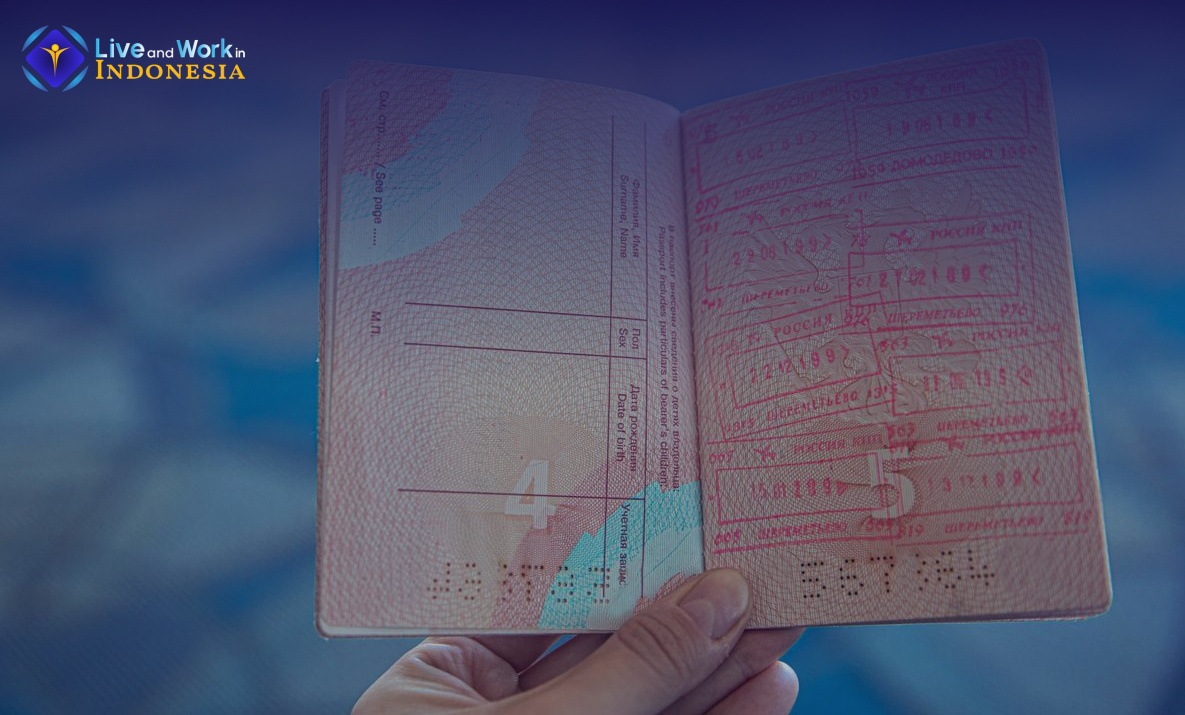
JAKARTA — Indonesia’s Directorate General of Immigration has intensified monitoring of departure compliance in 2026, with enforcement officers now more actively flagging foreign nationals who exit the country without properly processing an Exit Only Permit (EPO) before leaving. The crackdown comes as a surge of expatriate departures driven by contract completions, employer transitions, company dissolutions, and lifestyle relocations has left a growing number of KITAS and KITAP holders with unclosed immigration records, triggering overstay penalties, re-entry bans, and complications for future visa applications, all for a procedural step that could have been completed within a few business days before departure.
The consequences are not theoretical. According to immigration consultants tracking the sector, foreign nationals who depart without an EPO often discover the problem only when they attempt to return either for a new job, a business venture, or even a holiday and find their passport flagged at the immigration counter.
According to the Exit Only Permit (EPO) service offered by Live and Work Indonesia, proper EPO processing is the final and frequently overlooked legal obligation every KITAS and KITAP holder must complete before permanently exiting Indonesia.
What Is an Exit Only Permit (EPO)?
An Exit Only Permit (EPO) is an official immigration authorization that formally closes a foreign national’s KITAS (Limited Stay Permit) or KITAP (Permanent Stay Permit) before they depart Indonesia permanently. It is not a travel document for temporary absence — that is the function of a separate Multiple Exit Re-Entry Permit (MERP). The EPO is specifically the instrument by which a stay permit is cancelled, the immigration record is updated to reflect a clean legal departure, and the sponsorship relationship between the foreign national and their Indonesian sponsor is formally terminated.
In practical terms, once an EPO is approved, the immigration system records the holder’s status as properly closed. The foreign national then has a window — typically seven days — to depart Indonesian territory. Failing to leave within that window triggers overstay penalties, currently set at IDR 1,000,000 per day under Indonesian Immigration Law No. 6 of 2011.
EPO vs. MERP: A Critical Distinction Many Expats Get Wrong
One of the most common and consequential errors in Indonesian immigration compliance is confusing an EPO with a Multiple Exit Re-Entry Permit (MERP) — or applying for one when the other is needed. The distinction is straightforward but frequently misunderstood:
- EPO (Exit Only Permit): For foreign nationals leaving Indonesia permanently, ending their current stay permit, and not returning under the same sponsorship. The stay permit is cancelled upon processing.
- MERP (Multiple Exit Re-Entry Permit): For KITAS and KITAP holders who need to leave Indonesia temporarily — for a business trip, family visit, or holiday — and plan to return while their permit is still valid. The stay permit remains active throughout.
Applying for an EPO when a MERP was the appropriate document results in the unintended cancellation of a valid stay permit. Recovering from that mistake requires starting the entire KITAS application process from scratch a timeline of weeks to months, not days.
When Is an EPO Required?
An Exit Only Permit is required in any of the following situations:
- End of employment contract: When a foreign worker’s contract with their Indonesian employer ends, the sponsoring company is legally required to process the EPO as part of closing the sponsorship record. Failing to do so leaves both the foreign national and the sponsor in a state of incomplete compliance.
- Employer or sponsor change: Transitioning to a new employer or new KITAS category typically requires closing the current permit before a fresh application can begin. EPO is the mechanism for that closure.
- Company dissolution: When a PT PMA or other Indonesian entity is wound up, any Investor KITAS tied to the company must be closed through an EPO a step directly connected to the formal dissolution process.
- Departure from a Retirement KITAS or Spouse KITAS: Foreign nationals permanently leaving Indonesia on any long-term stay permit are expected to process an EPO to ensure their record reflects a clean, lawful exit.
What Happens If You Skip the EPO
The consequences of departing without a properly processed EPO are well-documented and consistently underestimated by first-time expats:
- Overstay classification: If the immigration system still shows an active stay permit at the time of departure without an EPO record, the exit may be flagged as irregular, with overstay fines applied retroactively.
- Entry blacklisting: Immigration records showing an unclosed KITAS can result in a bar on re-entry into Indonesia, affecting future business travel, visa applications, and personal visits.
- Blocked re-registration: Foreign nationals attempting to register as shareholders or directors in a new Indonesian company can find their passport blocked in the OSS system until the unclosed permit issue is resolved.
- Sponsor liability: Indonesian immigration regulations hold sponsoring companies and individuals responsible for the stay permit status of the foreigners they sponsor. An unclosed permit exposes the sponsor to administrative penalties even after the foreign national has physically left the country.
The EPO Process: How It Works in 2026
Step 1: Prepare Documents Through the Sponsor
The EPO application is filed by the sponsor the employer, company, spouse, or family member who originally held responsibility for the stay permit. Required documents typically include the original passport, the physical KITAS or e-ITAS documentation, a copy of the outbound flight ticket, a sponsor letter confirming the end of the sponsorship relationship, and any employment- or sector-specific documents such as DPKK payment records for work KITAS holders.
Step 2: Submit to the Local Immigration Office
The application is submitted at the immigration office (Kantor Imigrasi) that originally issued the stay permit. Processing typically takes three to five working days, depending on the completeness of the documentation and the workload of the local office.
Step 3: Receive the EPO Stamp and Surrender the KITAS
Once approved, an EPO stamp or notation is recorded in the passport and the KITAS card is officially surrendered and cancelled. The immigration system updates the holder’s status as formally closed.
Step 4: Depart Within Seven Days
After the EPO is processed, the holder must depart Indonesian territory within seven days. Overstay penalties of IDR 1,000,000 per day apply immediately if that deadline is missed. Once departed, the foreign national is immediately eligible to apply for a new Indonesian visa under a different sponsorship or category without waiting for any additional clearance.
EPO When Already Outside Indonesia
Foreign nationals who have already left Indonesia without processing an EPO are not automatically without options. A Termination of Stay Permit (TSP) procedure sometimes called an Exit Re-Entry Permit when processed from abroad can be filed from outside Indonesia through a sponsor or authorized agent, allowing the stay permit to be closed retroactively. This process requires the same core documentation but adds complexity, as the physical passport and immigration documents typically need to be sent or presented through a licensed intermediary.
For official guidance on immigration procedures, the Indonesian Directorate General of Immigration maintains current requirements and office contact details across all regional offices nationwide.
Industry Outlook
Immigration consultants say demand for EPO processing services has grown in proportion to the overall expatriate population in Indonesia, particularly as more companies go through restructuring, as more foreign professionals change employers, and as the formal dissolution process for PT PMA companies triggers a wave of KITAS closures that many investors hadn’t anticipated when they first set up their entities. The consistent message from the sector is straightforward: the EPO is the last step of legal residency in Indonesia, and skipping it creates consequences that outlast the departure itself.
Frequently Asked Questions
- What is an Exit Only Permit (EPO) in Indonesia? An EPO is the official immigration permit that formally closes a KITAS or KITAP before a foreign national permanently departs Indonesia, ensuring their immigration record shows a clean, lawful exit.
- How is an EPO different from a Multiple Exit Re-Entry Permit (MERP)? An EPO cancels the stay permit permanently for those leaving Indonesia for good. A MERP allows temporary departure and return while the stay permit remains active. Using the wrong one can result in unintended cancellation of a valid permit.
- How long does EPO processing take in Indonesia? Processing typically takes three to five working days after complete documents are submitted at the local immigration office.
- What happens after an EPO is approved? The KITAS or KITAP is cancelled and surrendered, an EPO stamp is recorded in the passport, and the holder has seven days to depart Indonesian territory before overstay penalties apply.
- Can an EPO be processed from outside Indonesia? Not directly, but a Termination of Stay Permit (TSP) procedure can close the permit from abroad through a sponsor or authorized agent, using physical documents submitted via a licensed intermediary.
Leaving Indonesia and need to close your KITAS or KITAP properly? The immigration consultants at Live and Work Indonesia handle the full Exit Only Permit (EPO) process from document preparation and sponsor coordination to immigration office submission so your departure is legally recorded and your future options in Indonesia remain open. Contact the team today before you book your flight.













